
Office Space (1999 film)
1999 satirical comedy film about white-collar work life, directed by Mike Judge and known for its portrayal of cubicle culture, memorable characters, and lasting cult following.
Overview
Office Space is a 1999 American satirical comedy film that lampoons everyday corporate life and the frustrations of desk-bound employees. Written and directed by Mike Judge, the story follows disaffected software company workers who react to meaningless bureaucracy, soul-numbing routines and arbitrary management decisions. The film stars Ron Livingston and Jennifer Aniston among an ensemble cast and is frequently cited as a cultural critique of office culture.
Image gallery
7 Images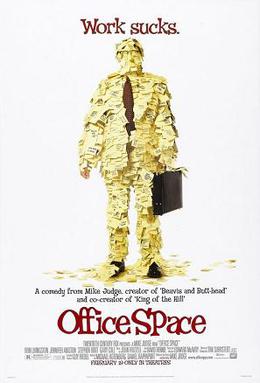




Characteristics and story elements
The film emphasizes recurring motifs of cubicles, pointless paperwork and the small cruelties of corporate procedure—most famously the obsession with "TPS reports" and the character Milton's attachment to his red stapler. Its humor mixes deadpan dialogue, absurd situations and relatable grievances to build a picture of modern white-collar drudgery. Many scenes focus on the emotional toll of meaningless work and the desire to reclaim personal dignity.
Cast and notable characters
- Peter Gibbons (protagonist) — disillusioned office worker.
- Joanna — colleague and romantic interest, who struggles with front-line service jobs.
- Milton — quiet employee mistreated by management, associated with a red stapler.
- Supporting roles include sarcastic coworkers and officious managers who embody corporate absurdity.
Production, themes and reception
Created by the filmmaker behind animated and satirical projects, the movie blends dry comedy with commentary about corporate restructuring, downsizing and the alienation of repeated routine. Initially it found modest commercial success but grew a devoted audience through home video and television airings, where its lines and images entered popular conversation.
Legacy and influence
Over time the film developed a cult following and influenced how people talk about office life, workplace humor and management satire. Its critique of bureaucracy remains relevant to discussions of job satisfaction and organizational culture. For further background on the film's production and cultural impact see additional resources and director biographies such as related profiles. Contemporary analyses of workplace satire sometimes reference the film alongside other portrayals of corporate life; more context is available at film archives and essays.
Related articles
Author
AlegsaOnline.com Office Space (1999 film) Leandro Alegsa
URL: https://en.alegsaonline.com/art/72047
Sources
- rottentomatoes.com : "Office Space (1999)"
- boxofficemojo.com : "Office Space (1999) - Box Office Mojo"
- luminomagazine.com : "Mettez un peu de lumière dans votre habitation"