
Notre-Dame-de-Riez: commune in Vendée, Pays de la Loire, France
Overview of Notre-Dame-de-Riez, a French commune in the Vendée department (Pays de la Loire): geography, history, local economy, administration and points of interest.
Overview
Notre-Dame-de-Riez is a commune in the western part of France, located within the Pays de la Loire region and the Vendée department. It lies in a coastal and lowland area of the country, characterized by a mix of agricultural land, small villages and proximity to the Atlantic shoreline of France. The commune takes its name from the local parish church dedicated to the Virgin Mary (Notre-Dame) and shares many features typical of rural communes in this part of the country.
Image gallery
2 Images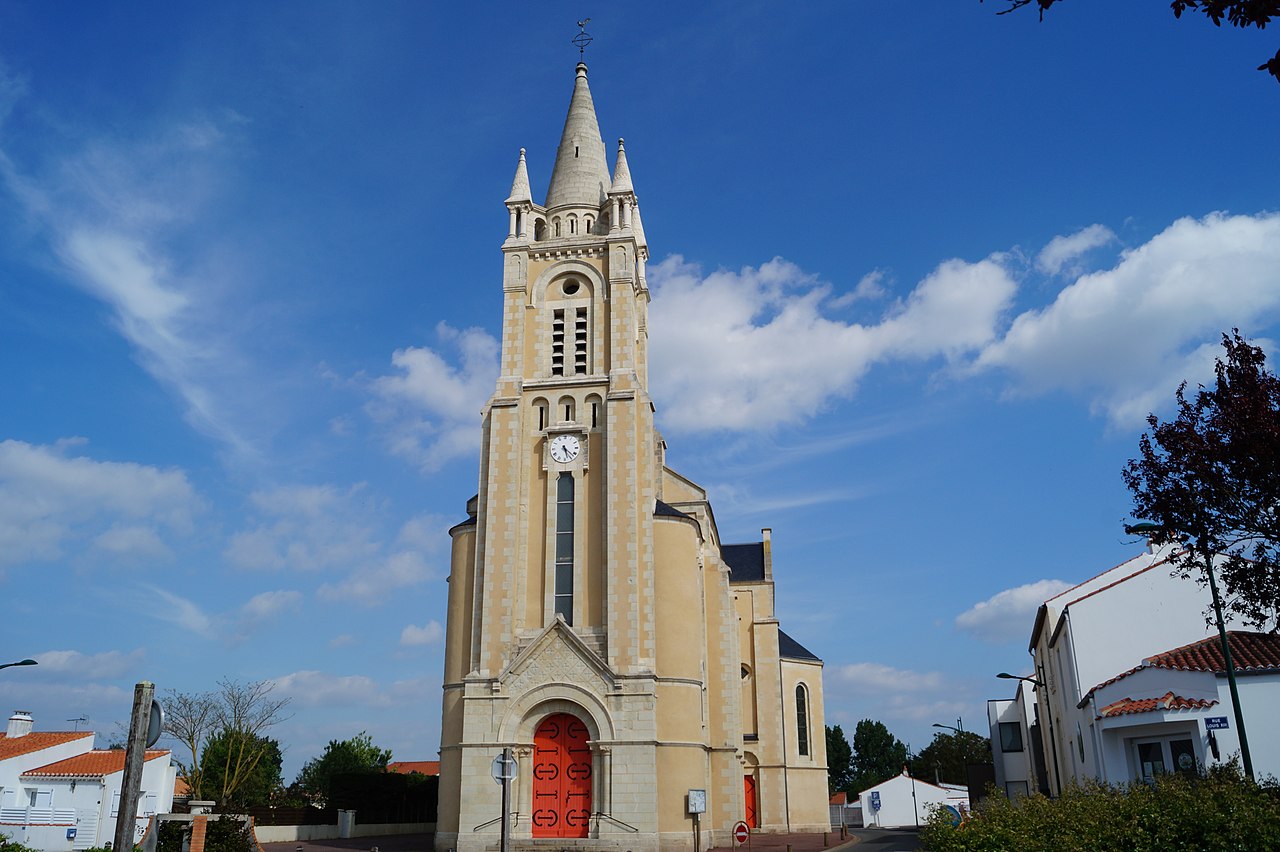

Geography and environment
The surroundings of Notre-Dame-de-Riez include flat plains, coastal marshes and cultivated fields. Soils and waterways in the area have historically supported mixed farming and market gardening, while coastal zones nearby attract visitors for beaches and nature walks. The landscape is shaped by both maritime influence and inland bocage patterns, with hedgerows, small lanes and scattered hamlets.
History and development
Like many communes in the Vendée, Notre-Dame-de-Riez grew from a medieval parish and a collection of rural settlements. Over centuries it developed around agricultural activities and local trade. Administrative structures changed with the creation of departments after the French Revolution, but the commune retained a strong local identity tied to its church, communal lands and seasonal rhythms.
Economy, tourism and culture
The local economy mixes agriculture, small-scale commerce and services linked to tourism. Visitors to the wider Vendée region find seaside resorts, regional markets and walking or cycling routes; Notre-Dame-de-Riez benefits from this regional tourism without being a large resort itself. Cultural life commonly centers on communal events, church festivals and market days that bring residents together.
Administration and transport
Governance follows the French municipal model: an elected mayor and municipal council manage local affairs, public services and planning. Transport connections are primarily by departmental roads, with regional centers reachable by car and public transport; cycling is a common local mode for short journeys in the area.
Points of interest and practical information
- Parish church and traditional rural architecture
- Nearby coastal areas and nature reserves for birdwatching and walking
- Local markets offering regional produce and seasonal goods
- Access to regional cultural events in the Vendée and Pays de la Loire
For more detailed administrative or visitor information consult municipal resources and regional guides. The commune combines the quiet of rural France with access to the attractions of the Atlantic coast and the broader Vendée department.
Related articles
Author
AlegsaOnline.com Notre-Dame-de-Riez: commune in Vendée, Pays de la Loire, France Leandro Alegsa
URL: https://en.alegsaonline.com/art/71181