
Norwegian Elkhound
A sturdy Scandinavian spitz bred for hunting and guarding. The Norwegian Elkhound is a working, family-oriented dog known for its dense coat, curled tail and lively, independent nature.
The Norwegian Elkhound is a northern European spitz-type dog developed in Norway. It is valued for its endurance, loud voice and ability to locate and hold large game at bay until the hunter arrives. Beyond its historical role as a hunter of large ungulates, the breed has been kept as a guardian, herding helper and companion animal, and remains one of Norway's most recognizable indigenous breeds.
Image gallery
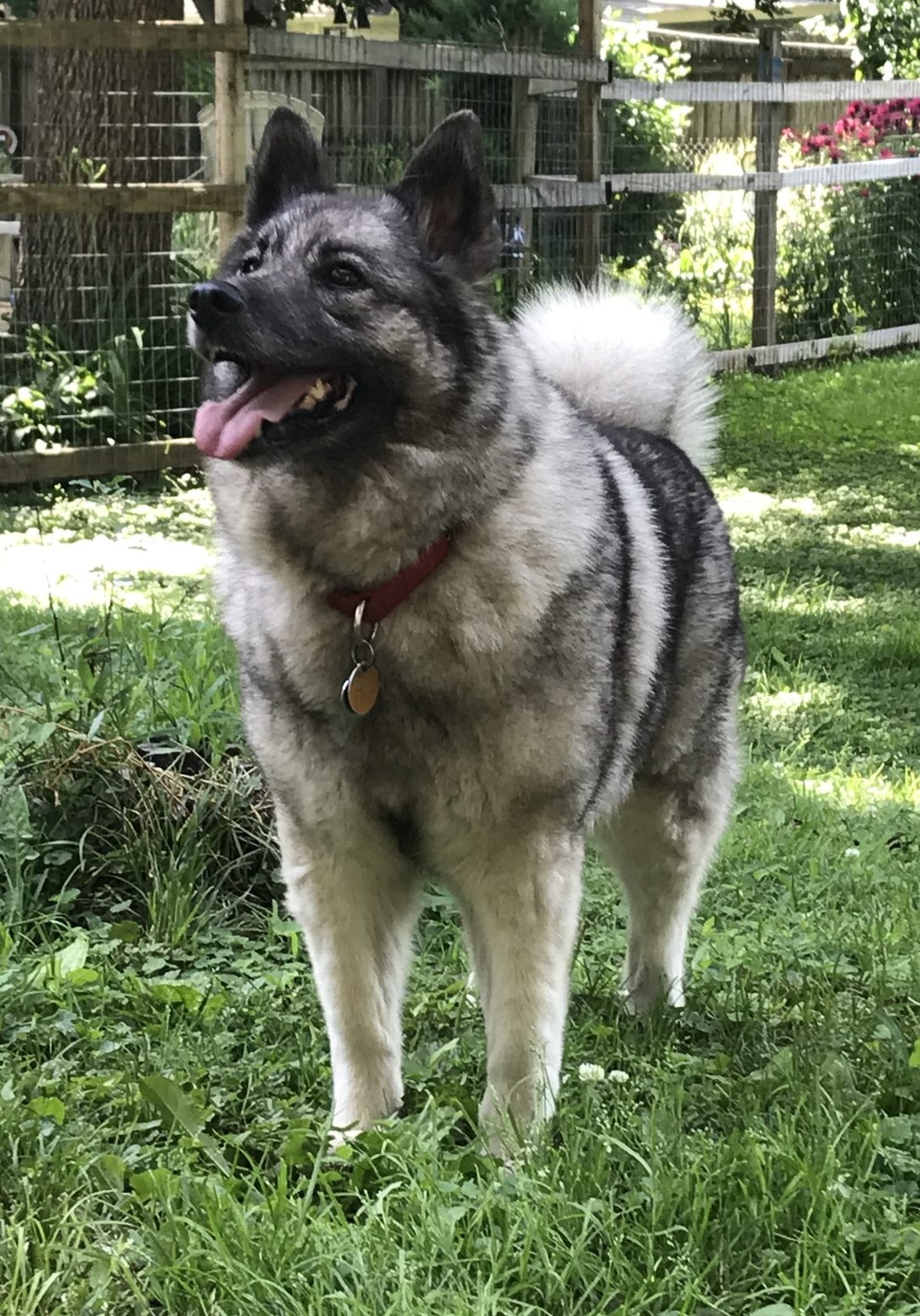
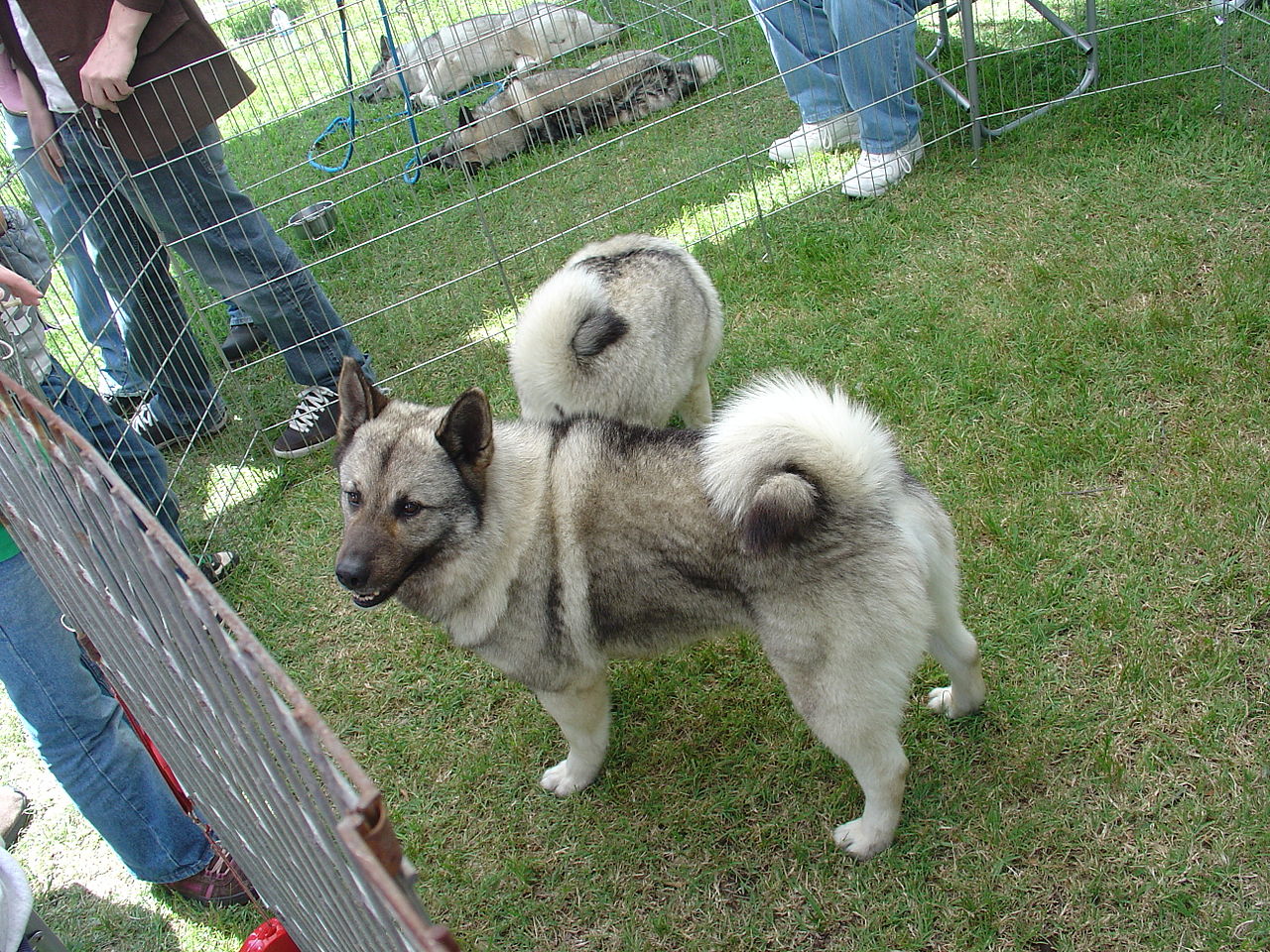
5 Images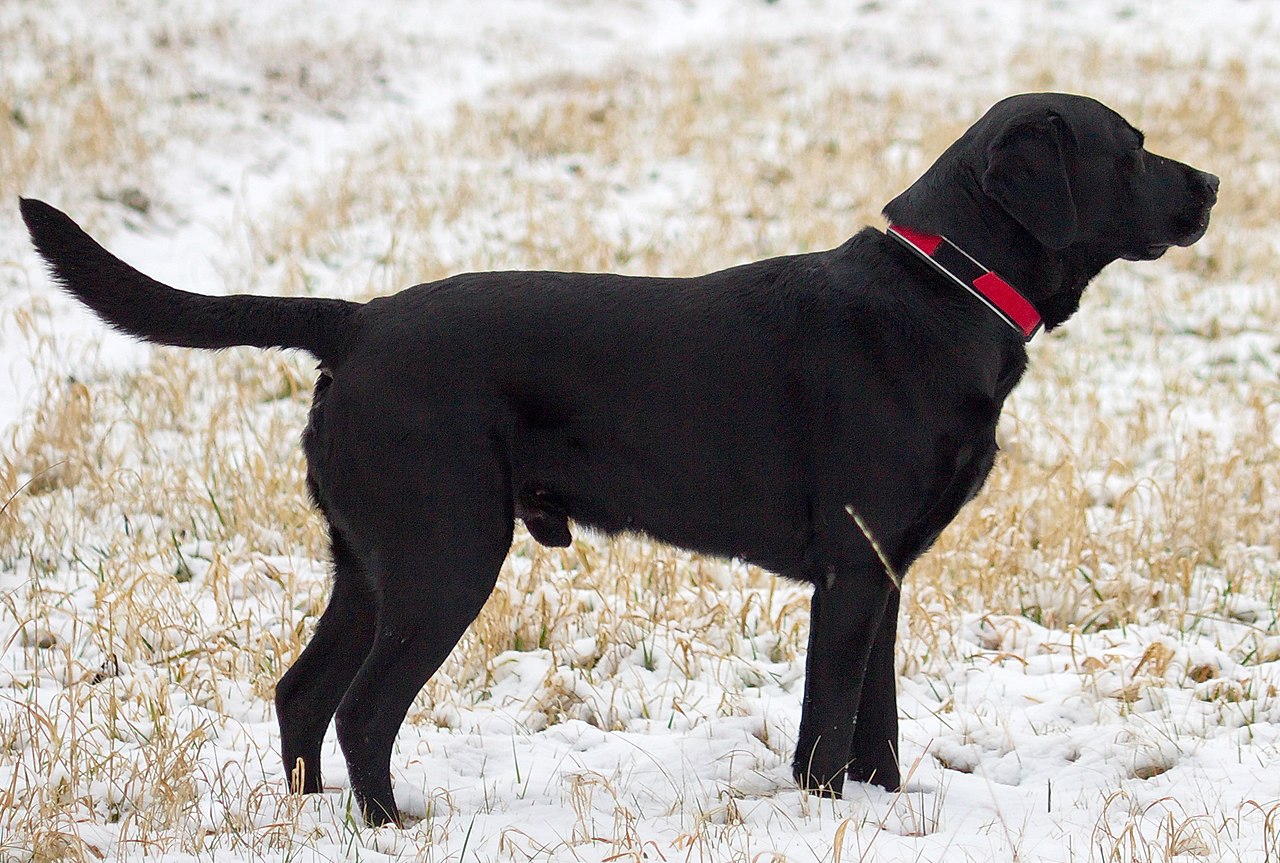


Appearance and characteristics
Elkhounds are compact, muscular dogs with a square outline, a dense double coat and a tail that curls over the back. Typical features include a broad head, erect ears, a strong muzzle and dark, alert eyes. The coat is weather-resistant and comes in shades of gray, often with black tips and lighter underparts. Their physical build reflects a balance between strength and agility, adapted for travel across rough, cold terrain.
Temperament and behavior
Temperamentally, the Norwegian Elkhound is lively, confident and independent. They are known for being affectionate with family members and good with children when socialized early. Their spitz heritage gives them a high prey drive and a tendency to bark; they were bred to communicate location and situation to hunters. They are intelligent and capable of problem solving, but can be stubborn, so consistent, positive training is important.
History and development
Archaeological evidence and traditional accounts link Elkhound-type dogs to Scandinavia for many centuries. The breed's name reflects its role in hunting the large cervid known in English as elk or moose. Over time, Norwegian hunters refined a dog capable of tracking, confronting and baying at large game while withstanding severe weather. Modern breed standards emerged as kennel organizations formalized breeds in the 19th and 20th centuries, but the Elkhound retains many functional traits from its working past.
Care, activity and uses
- Exercise: Elkhounds need daily physical and mental activity; long walks, runs and play keep them fit and prevent boredom.
- Grooming: Their dense double coat sheds seasonally and benefits from regular brushing; moderate grooming suffices outside heavy-shed periods.
- Living conditions: They adapt to family life but do best with access to a secure yard and an active household. Left inactive, they may become overweight or develop unwanted behaviors.
Health and notable facts
Generally a robust breed, Norwegian Elkhounds can nonetheless be predisposed to conditions seen in many medium-sized dogs, such as hip and elbow dysplasia and certain eye disorders. Responsible breeding and routine veterinary care reduce these risks. The breed remains culturally significant in Norway and is often highlighted in discussions of ancient Nordic dog types. Due to their vocal nature and energy, prospective owners should consider whether the Elkhound's traits match their lifestyle.
The Norwegian Elkhound combines a long working heritage with strong family bonds: capable as a hunter, alert as a guardian and affectionate as a companion, it represents a versatile and distinctive Nordic breed.
Questions and answers
Q: What is the Norwegian Elkhound?
A: The Norwegian Elkhound is a type of dog that was bred in Norway and is commonly found there.
Q: What kind of temperament does the Norwegian Elkhound have?
A: The Norwegian Elkhound is friendly, playful, and great with kids.
Q: What is the history of the Norwegian Elkhound?
A: The Norwegian Elkhound has been living and working with humans since the stone age and served as a hunter, herder, guard, and companion.
Q: What is the appearance of the Norwegian Elkhound?
A: The Norwegian Elkhound is a spitz type of dog with a curled tail and pricked ears. They are also fluffy in appearance.
Q: What kind of family is best suited for the Norwegian Elkhound?
A: The Norwegian Elkhound is a great family dog, but needs a large garden and daily walks. They enjoy an active family that will play with them.
Q: Can the Norwegian Elkhound become lazy?
A: Yes, the Norwegian Elkhound must not be allowed to get lazy because, as with all hounds, they will put on weight in excess.
Q: What is the activity level required for the Norwegian Elkhound?
A: The Norwegian Elkhound can live a less strenuous life, but they still require regular exercise and playtime to prevent them from getting lazy.
Related articles
Author
AlegsaOnline.com Norwegian Elkhound Leandro Alegsa
URL: https://en.alegsaonline.com/art/71117