
Notebook (paper collection for writing, sketching, and record‑keeping)
A paper notebook is a bound collection of sheets used for writing, drawing, planning, or record keeping. Varieties differ by size, ruling, binding and intended use, from pocket journals to lab notebooks.
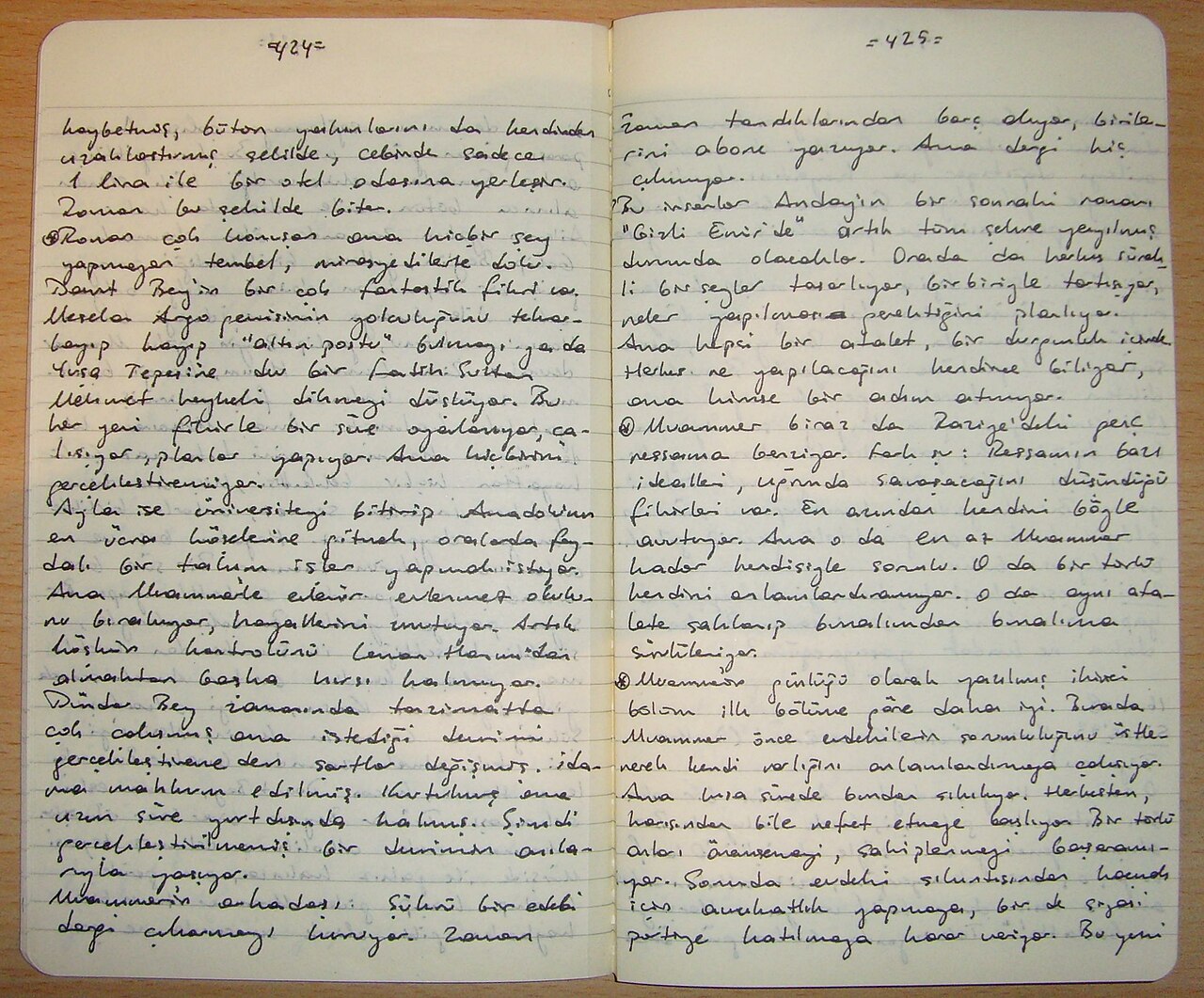
A notebook is a handheld collection of sheets of paper bound together to form a small book or leaflet. It is intended for writing, sketching, planning, or keeping records. When people need a portable electronic device, they often mean a laptop, which is distinct from the paper notebook described here. The physical notebook remains popular because of its simplicity, durability and low power requirements.
Image gallery
5 Images



Common forms and characteristics
Notebooks vary widely in format, but share a few basic elements: cover, binding, pages and ruling. Covers can be flexible or rigid; bindings may be spiral, stitched, glued or ring-bound. Pages come in standard sizes such as A4 and A5 or pocket dimensions, and are produced with different rulings to suit tasks.
- Ruling styles: lined (ruled), squared (graph), dotted, and blank for drawing.
- Binding: spiral/coil, sewn/stitched, glued (perfect binding) and ring binders.
- Special features: perforated pages, numbered sheets, index pages, pockets, elastic closures and built-in calendars.
- Formats: pocket notebooks, composition books, sketchbooks, planners and laboratory notebooks used for formal records.
History and development
The idea of gathering written sheets into a portable book has deep roots in the history of writing. Modern mass-produced notebooks became common after improvements in paper-making and binding during the 19th century, when cheaper paper and standardized sizes made compact, bound pads widely available for students, clerks and travelers. Over time designers added rulings, page numbering and protective covers to meet specific needs.
Uses and importance
Notebooks serve a wide range of personal, educational and professional functions. Students use them for classroom notes; professionals keep meeting minutes and to-do lists; artists use sketchbooks; scientists and technicians maintain lab notebooks as formal records of experiments. Many people also use notebooks for diaries, creative writing, bullet journaling and planning daily life.
Selecting, preserving and distinguishing notebooks
Choice depends on purpose. Important factors include paper weight and texture (which affect ink bleed and drawing), archival quality (acid-free paper for long-term preservation), size and binding durability. Field or lab notebooks often have specific requirements—such as numbered pages or tamper-evident bindings—to support legal or scientific use. A paper notebook differs from loose notepads by its bound structure, and from loose-leaf binders by being typically more compact and less modular; a bound book format helps keep entries in order.
Environmental concerns have encouraged recycled and sustainably sourced paper options, while digital tools and hybrid systems combine photographed notebook pages with searchable digital archives. Despite technological change, the simple paper notebook remains a practical and widely used tool for recording ideas and information.
Related articles
Author
AlegsaOnline.com Notebook (paper collection for writing, sketching, and record‑keeping) Leandro Alegsa
URL: https://en.alegsaonline.com/art/71161