
Nonsteroidal anti-inflammatory drug (NSAID)
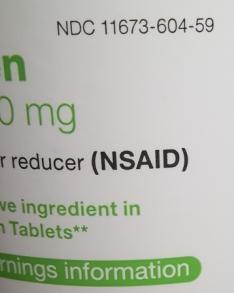
NSAIDs are a broad class of medicines that relieve pain, reduce fever and, at higher doses, reduce inflammation. Common examples include aspirin, ibuprofen and diclofenac and they have distinct benefits and risks.
Overview
A nonsteroidal anti-inflammatory drug, commonly abbreviated as NSAID, is a medication used to relieve pain, lower temperature and — when taken at appropriate doses — reduce inflammation. NSAIDs are distinct from steroids; they act by interfering with biochemical pathways that produce inflammatory mediators rather than by altering hormonal systems like a steroid. They are also not narcotic analgesics and therefore do not produce opioid-type sedation or dependence in normal therapeutic use.
Image gallery
5 Images


How they work
NSAIDs inhibit enzymes called cyclooxygenases (COX), which catalyze the production of prostaglandins and related compounds that promote pain, fever and inflammation. By reducing prostaglandin synthesis, NSAIDs have three principal effects: analgesic (pain relief; see analgesic), antipyretic (fever reduction; see fever) and anti-inflammatory (less swelling and redness; see inflammation). Some drugs preferentially block one COX isoform over another, which can influence effectiveness and side-effect profiles.
Common drugs and examples
- Aspirin — one of the oldest widely used agents derived from salicylate compounds.
- Ibuprofen — frequently used for headache, muscle pain and fever.
- Diclofenac — commonly prescribed for soft-tissue and joint pain.
Other available agents include naproxen and several prescription-only molecules. A subgroup developed in the 1990s selectively targeted COX-2 to reduce gastrointestinal side effects; however, some of these agents were later scrutinized for cardiovascular risks.
Uses, risks and precautions
NSAIDs are used for a wide range of acute and chronic conditions: headaches, menstrual cramps, musculoskeletal strains, arthritis, and fever from infections. Benefits must be balanced against known adverse effects. Common risks include gastrointestinal irritation, increased bleeding tendency, impaired kidney function in susceptible individuals and potential cardiovascular concerns with long-term use. Interactions with other medications and underlying health issues (for example, peptic ulcer disease, kidney disease, or cardiovascular disorders) influence which NSAID, dose and duration are appropriate.
Clinicians and patients choose among NSAID options based on effectiveness for a given symptom, safety profile, dosing convenience and individual medical history. For reliable, detailed guidance on particular drugs or personal risks, consult prescribing information or a healthcare professional.
Related articles
Author
AlegsaOnline.com Nonsteroidal anti-inflammatory drug (NSAID) Leandro Alegsa
URL: https://en.alegsaonline.com/art/70612