
Obstetric fistula: causes, symptoms, treatment and prevention
An obstetric fistula is an abnormal connection between the birth canal and the urinary or intestinal tract that most commonly follows prolonged, obstructed labor without timely medical care.
An obstetric fistula is an abnormal opening that forms between a woman’s genital tract and her urinary system or bowel after childbirth. It most often follows prolonged, obstructed labor when pressure between the baby’s head and the maternal pelvis cuts off circulation and destroys tissue. Many descriptions link the condition directly to childbirth, and it typically involves the vagina in combination with the bladder or rectum.
Image gallery
3 Images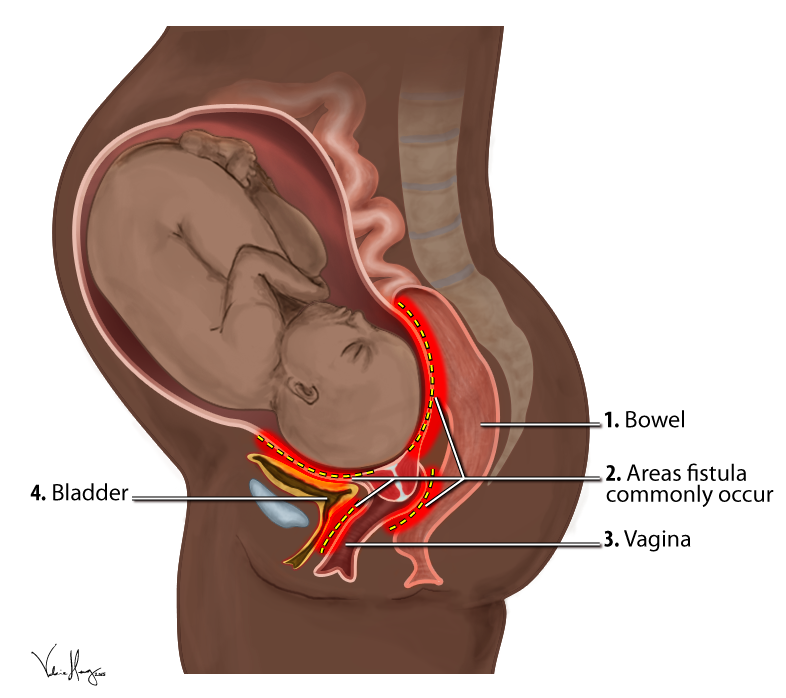


Types and common features
- Vesicovaginal fistula: an opening between bladder and vagina causing continuous urinary leakage.
- Rectovaginal fistula: an opening between rectum and vagina leading to fecal incontinence and soiling.
- Ureterovaginal and combined lesions: less common patterns that may affect kidney drainage or require staged repair.
Typical symptoms are constant leakage of urine or feces, a strong odor, recurrent genital infections, and local skin damage. Beyond physical effects, many women face social isolation, depression, or economic hardship because of incontinence and stigma.
Causes, diagnosis and distinctions
The most frequent cause in low-resource settings is prolonged, obstructed labor without timely access to emergency obstetric care; sustained pressure causes ischemic necrosis and the tissue gap that becomes a fistula. Other causes include surgical injury (iatrogenic fistula), pelvic radiation, or severe infection. Diagnosis is clinical: history and pelvic examination, dye tests and endoscopic or imaging studies can confirm the location and size of the defect. Clinicians distinguish obstetric fistula from non-obstetric types by the context of onset and the pattern of tissue damage.
Treatment ranges from conservative measures—such as prolonged bladder drainage with a catheter for very recent, small injuries—to definitive surgical repair. Skilled reconstructive surgeons perform vaginal or abdominal approaches to close the defect; some complex cases require multiple operations or specialist centers. Where surgery is needed, a woman’s recovery may also depend on management of infections, nutrition, and follow-up care. See more on operative care and referral pathways at surgery resources.
Prevention, rehabilitation and public health importance
Preventing obstetric fistula depends on timely access to quality maternal health services: skilled birth attendants, emergency obstetric care (including cesarean delivery), and family planning to delay early pregnancies. Broader measures—improving nutrition, reducing child marriage, and strengthening health systems—also reduce risk. Rehabilitation programs combine surgical repair with counseling, social reintegration, and vocational training to address the economic and psychological consequences. Globally, obstetric fistula is now rare where emergency obstetric care is widely available but remains a significant public health and human rights concern in areas with limited services.
Historical records describe similar injuries before modern obstetrics and safe cesarean techniques became common; contemporary efforts focus on prevention, expanded surgical capacity, and community support to restore health and dignity to affected women.
Questions and answers
Q: What is an obstetric fistula?
A: An obstetric fistula is a hole in a woman's body that is created after giving birth.
Q: What causes an obstetric fistula?
A: An obstetric fistula usually develops when childbirth is complicated, particularly when the mother does not receive proper medical attention.
Q: Where can an obstetric fistula occur?
A: An obstetric fistula can form between the vagina and the bladder or between the vagina and the bowel.
Q: How can an obstetric fistula be treated?
A: A surgeon can repair an obstetric fistula through surgical intervention.
Q: Can an obstetric fistula occur in all women after childbirth?
A: No, an obstetric fistula does not occur in all women after childbirth. It usually happens when birth is complicated, especially when there is a lack of good medical attention.
Q: Can an untreated obstetric fistula have negative implications on a woman's health?
A: Yes, an untreated obstetric fistula can have severe implications on a woman's health, including incontinence, infection, and even death.
Q: Is an obstetric fistula preventable?
A: Yes, an obstetric fistula can be prevented through the provision of adequate maternal healthcare services.
Related articles
Author
AlegsaOnline.com Obstetric fistula: causes, symptoms, treatment and prevention Leandro Alegsa
URL: https://en.alegsaonline.com/art/71807