
Nyctalopia (Night Blindness)
Nyctalopia, or night blindness, is impaired vision in low light caused by rod dysfunction, vitamin A deficiency, genetic retinal disorders, eye injury, or other conditions; diagnosis and treatment target the underlying cause.
Nyctalopia, commonly called night blindness, is a visual condition in which a person has difficulty seeing in dim light or adapting when moving from bright to dark environments. The name derives from Greek roots meaning "night" and "vision problem." It is a symptom rather than a single disease and affects daily activities such as driving at night, navigating dim interiors, or moving between indoor and outdoor lighting.
Image gallery
1 Image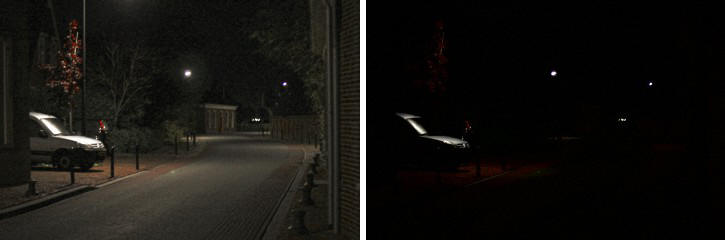
How it affects the eye
The main problem in nyctalopia is impaired function of the rod photoreceptors, the retinal cells responsible for vision at low light levels. When rods are absent, damaged, or biochemically impaired, the eye takes longer to adapt to darkness and visual detail in low illumination is reduced. Tests such as dark adaptation curves and clinical examination can document the deficit.
Common causes
- Vitamin A deficiency — a nutritional lack of vitamin A interferes with the production of visual pigments required by rods; this cause is reversible with appropriate supplementation in many cases. See more about the nutrient link at Vitamin A.
- Inherited retinal disorders — a number of genetic conditions, most notably retinitis pigmentosa and congenital stationary night blindness, lead to progressive or stable rod dysfunction. Genetic factors and counseling may be relevant; for background see genetic causes.
- Structural or acquired eye disease — advanced cataract, severe corneal disease, retinal wounds, and some forms of glaucoma can reduce retinal illumination or damage photoreceptors and impair night vision.
- Medications and systemic conditions — certain drugs and systemic illnesses can affect retinal function or dark adaptation.
Signs, diagnosis and management
Symptoms typically include poor vision in low light, slow dark adaptation, and difficulty driving at night. Diagnosis starts with a clinical eye exam and may include visual field testing, electroretinography, and nutritional or genetic investigations. Management aims at the underlying cause: dietary correction or vitamin A for deficiency, cataract surgery for lens opacity, or specialist care for inherited retinal disease. Low-vision aids, enhanced lighting, and adaptive strategies can improve safety and function.
Historical and practical notes
The phenomenon of night blindness has been recognized for millennia and was historically linked to diet and environment. Today it remains an important clinical sign because it may reveal treatable nutritional problems or progressive genetic retinal disease. For a concise medical overview see disease overview and for general information about the affected organ consult the eye.
When nyctalopia is suspected, prompt evaluation identifies reversible causes and helps patients adapt to limitations. In inherited forms, prognosis and options vary widely, so specialist referral and genetic counseling are often recommended.
Related articles
Author
AlegsaOnline.com Nyctalopia (Night Blindness) Leandro Alegsa
URL: https://en.alegsaonline.com/art/71544