
The 1910s: A Decade of War, Upheaval and Rapid Change
A survey of the 1910s decade, covering major conflicts, political revolutions, social shifts, technological advances and cultural developments that shaped the modern world.
Overview
The 1910s spanned from January 1, 1910, to December 31, 1919. It was a transformative decade in which industrial societies faced unprecedented global conflict, political revolutions and public-health crises. Many familiar features of the modern world — mass politics, large-scale industrial warfare, and accelerated cultural change — took distinct form during these years.
Image gallery
10 Images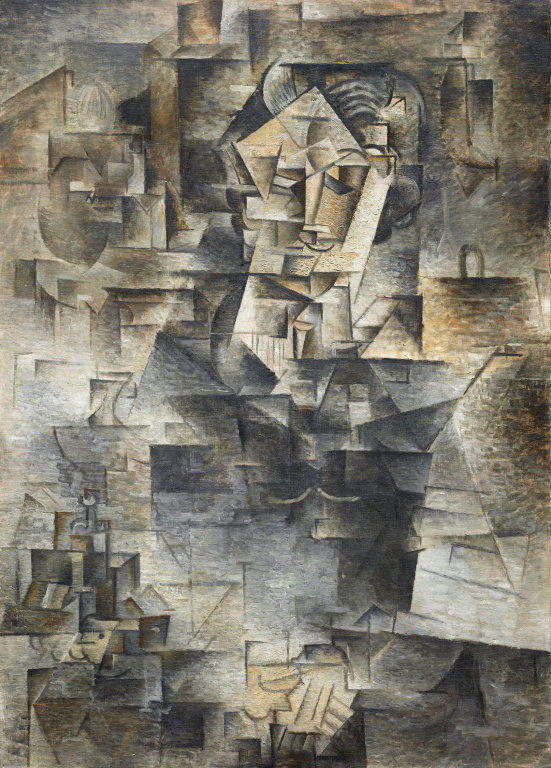


Politics and conflict
The defining event of the decade was the First World War (1914–1918), a multinational conflict that involved much of Europe and extended to colonies and allied nations. The war placed new demands on governments and economies, reshaped borders and contributed to the collapse of several empires, including the Austro-Hungarian, Ottoman and Russian imperial systems. 1917 saw major political upheaval in Russia with revolutions that led to the Bolshevik rise to power. The war formally ended with armistices in 1918 and treaties in 1919, most notably the Treaty of Versailles, and the League of Nations was created as an early attempt at collective security.
Society, public health and movements
Civilian life changed dramatically: the mobilization of millions of soldiers altered labor markets and accelerated women’s entry into factories and public roles. The latter part of the decade was dominated by the 1918–1919 influenza pandemic, often called the Spanish flu, which caused a very large number of deaths worldwide and strained health systems. Social and political movements, including labor activism and the expansion of suffrage in several countries, gained momentum against the backdrop of wartime demands and postwar readjustment.
Science, technology and economy
Technological development progressed rapidly. Aviation moved from experimental flights to routine military use, radio and telecommunications advanced, and mass production techniques spread across industries—most famously in automobile manufacturing. Wartime economies saw state intervention on an unprecedented scale, with rationing, centralized procurement and large public debts that influenced postwar economies.
Culture and the arts
The arts reflected and reacted to the decade’s dislocations. Modernist trends in literature, visual arts and music gathered force, and cinema grew as a mass entertainment industry during the silent era. Intellectual life and popular culture both absorbed wartime experiences and the anxieties of a rapidly changing society, producing new forms and international exchanges of ideas.
Notable events and legacy
- Major conflicts and treaties: First World War (1914–1918), Treaty of Versailles (1919).
- Political revolutions: Russian revolutions of 1917 and the reconfiguration of empires.
- Public health: the 1918–1919 influenza pandemic that affected populations worldwide.
- Infrastructure and exploration: Panama Canal opened to commercial traffic in 1914; ocean liners and new transport networks symbolized global integration.
By decade's end the world had been remapped politically and socially; the 1910s left legacies in international institutions, national boundaries, public health policy and cultural expression that shaped the twentieth century.
Related articles
Author
AlegsaOnline.com The 1910s: A Decade of War, Upheaval and Rapid Change Leandro Alegsa
URL: https://en.alegsaonline.com/art/111903