
Nizam-ud-din Auliya (1238–1325) — Chishti Sufi saint of Delhi
Prominent 13th–14th century Chishti Sufi saint based in Delhi, known for a message of devotional love, service to the poor, musical gatherings, and a widely visited shrine in Old Delhi.
Overview
Nizam-ud-din Auliya (1238–1325) was a leading Sufi master of the Chishti tradition in medieval India. He is remembered for teaching a spirituality centered on love, humility and service rather than scholastic debate. His life and work became a major formative force in the social and religious life of urban Delhi during the late 13th and early 14th centuries. He is commonly associated with the Chishti Order and with spiritual networks that spread across the subcontinent.
Image gallery
6 Images




Life and historical context
Born in the mid-13th century, Nizam-ud-din spent much of his adult life in and around the settlement that is now the Old Delhi area. Traditional accounts describe his spiritual training under earlier Chishti masters, including the Punjabi saint often known as Baba Farid. He lived through a period of political change as several Sultanates established power in northern India; his relations with rulers were pragmatic and complex, combining moral independence with occasional counsel or criticism.
Teachings and practices
His approach emphasized personal devotion (ishq), service to the needy (khidmat), and the inward transformation of the heart. Nizam-ud-din endorsed communal practices such as the langar (a free kitchen serving people of all backgrounds) and musical assemblies that later became associated with qawwali. These practices reflected the Chishti emphasis on accessibility and social compassion rather than ritual exclusivity.
Disciples and literary influence
Among his best-known followers was the poet and musician Amir Khusrow, who composed in Persian and is credited with helping to cultivate musical and literary forms in the region. Through disciples and a network of lodges and hospices, Nizam-ud-din's teachings contributed to the development of a vernacular devotional culture that influenced both Muslim and non-Muslim communities across India and broader South Asia.
Shrine and legacy
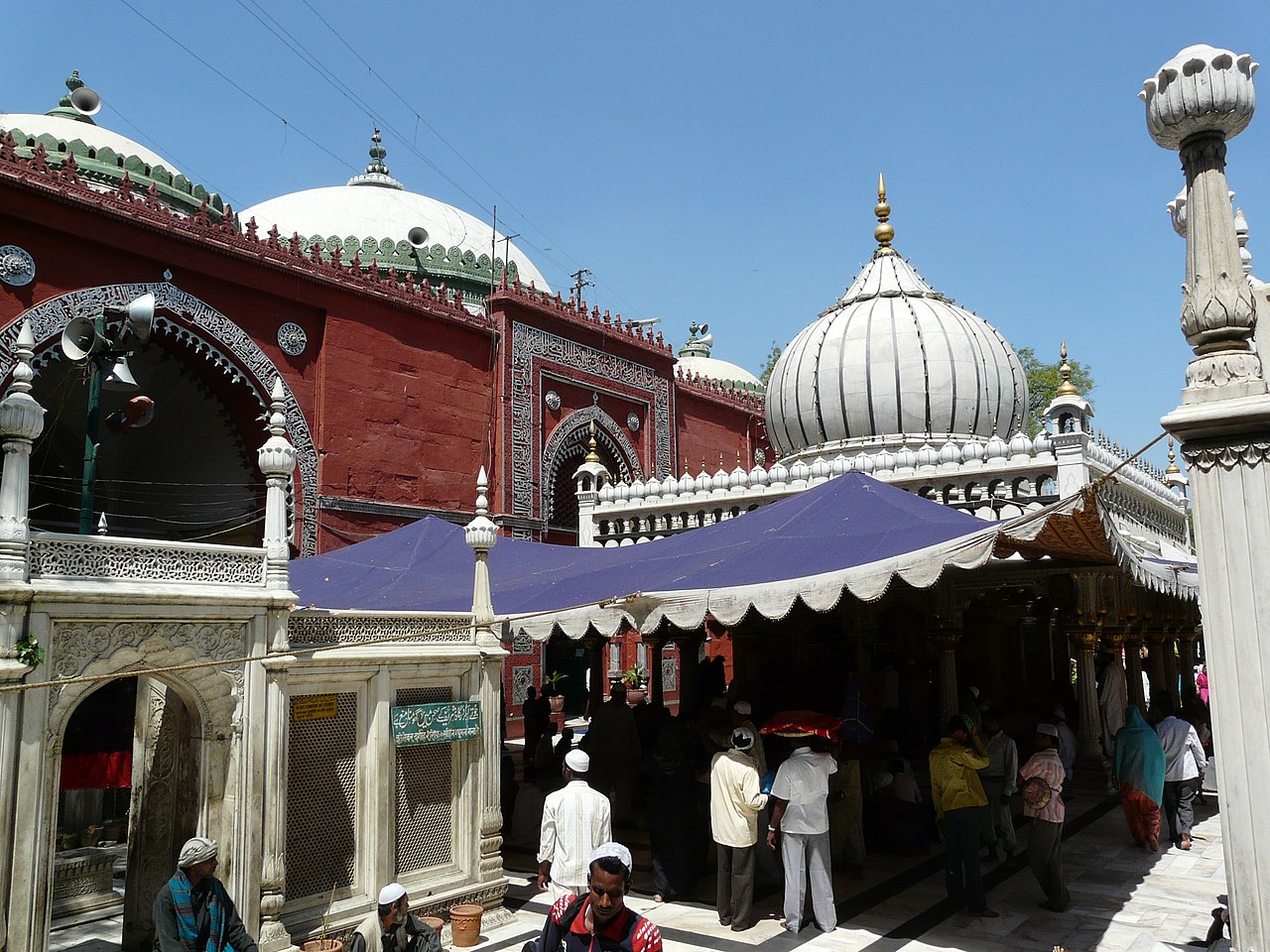
After his death in 1325 his burial place became a major center of pilgrimage. The dargah in the Nizamuddin quarter attracts visitors for devotional rites, commemorations of his death anniversary (Urs), and for continuing traditions of music and charity. The site has long been noted for its communal langars and for being a focal point of the living Chishti heritage in the city.
Key aspects and notable facts
- Spiritual emphasis: inward love, humility and service rather than political activism.
- Social practices: langar and musical satsang that encouraged cross‑community participation.
- Legacy figures: prominent disciples include Amir Khusrow; later generations of Chishti masters trace teachings to his circle.
- Contemporary relevance: his dargah remains an active site of pilgrimage and cultural memory.
For further reading on the Chishti tradition, devotional practices and the historical setting of Nizam-ud-din's life, see general works on Sufism and medieval South Asian history that examine the spiritual, social and cultural roles of Sufi orders in urban societies.
Related articles
Author
AlegsaOnline.com Nizam-ud-din Auliya (1238–1325) — Chishti Sufi saint of Delhi Leandro Alegsa
URL: https://en.alegsaonline.com/art/70400