
Nineveh Governorate (Ninawa)
Overview of Nineveh Governorate (Ninawa) in northern Iraq: geography, history, people, economy, key sites and recent events affecting the province and its capital Mosul.
Nineveh Governorate, often called Ninawa in Arabic, is a large and historically rich province in northern Iraq. The governorate covers about 37,323 km² and has an estimated population of roughly 2.6 million people, concentrated around its capital, Mosul. The region's name recalls the ancient city of Nineveh, an important center of the Assyrian Empire whose ruins lie close to the modern city of Mosul. Local names for the province reflect its multiethnic character: in Arabic it is written as نينوى and in Kurdish as Neynewa.
Image gallery
10 Images





Geography and environment
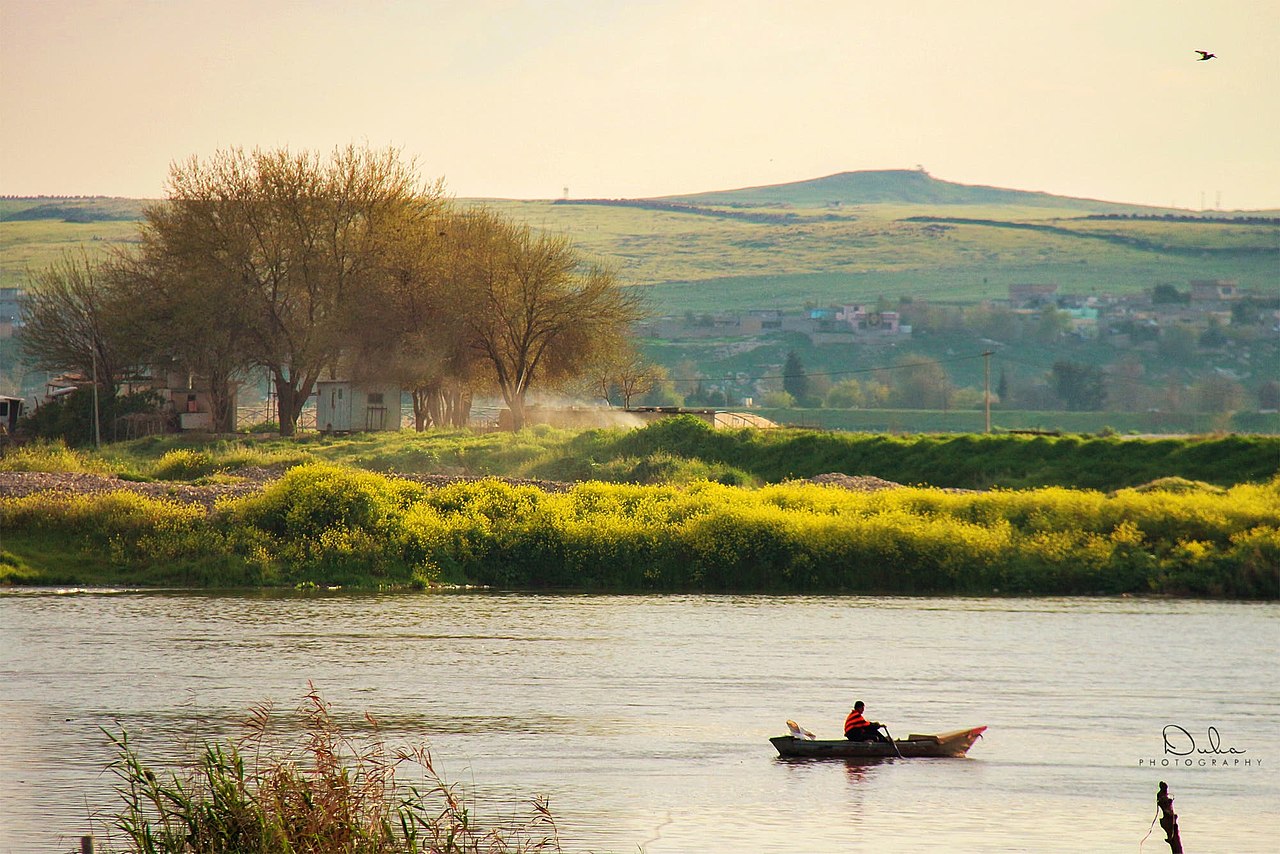
Nineveh Governorate stretches from the fertile plains that border the Tigris River to more rugged terrain in the north and northwest. The Tigris flows through Mosul and has long shaped settlement and agriculture in the area; several irrigation systems and agricultural zones depend on the river. The governorate includes the Nineveh Plains to the east of Mosul, a mosaic of farmland and small towns, as well as higher ground and semi-arid zones toward the borders. Administratively, the province contains several districts that connect to national transport routes and regional markets.
History and cultural heritage
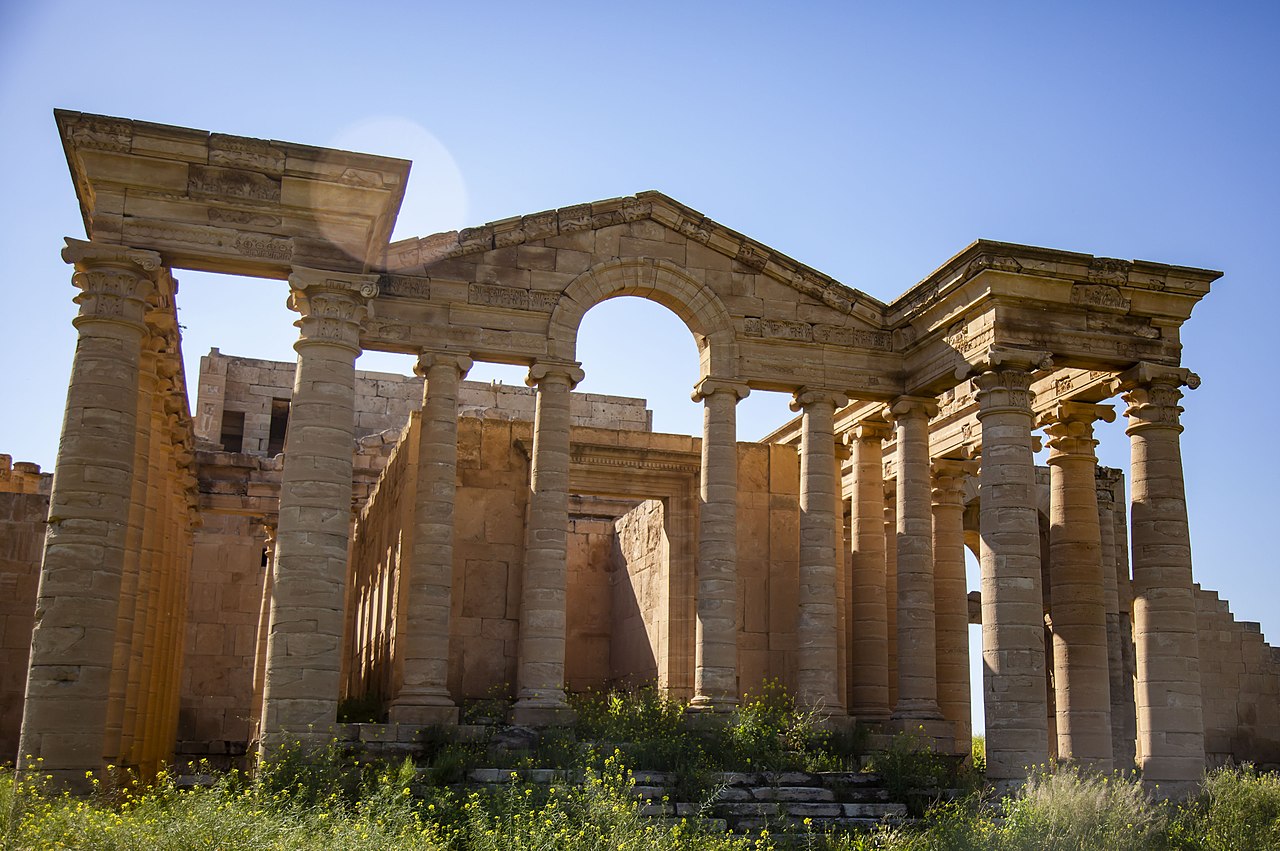
The territory of modern Nineveh Governorate embraces layers of human history, from the Assyrian imperial capitals and the ancient site of Nineveh to medieval and Ottoman settlements. Mosul itself developed as a major urban center with marketplaces, crafts and religious institutions. Over the centuries the area has been home to diverse communities and faiths, producing a rich architectural and archaeological record. Modern events in the early 21st century, including conflict and occupation in parts of the governorate, caused significant damage to cultural heritage and population displacement; many reconstruction and preservation efforts have been underway since those events.
Population and society
Nineveh is ethnically and religiously diverse. Major groups include Arab, Kurdish, Assyrian (Syriac), Turkmen, Yazidi and Shabak communities, among others. Languages commonly spoken in the governorate include Arabic, Kurdish dialects and Syriac. Social life varies between urban Mosul and the smaller towns and rural villages of the plains and uplands. Migration, internal displacement and return movements have affected demographics in recent years.
Economy and administration
The governorate's economy combines agriculture — particularly on the fertile plains — with trade, industry and services centered on Mosul. Oil production in northern Iraq and commercial links to regional markets influence economic activity. The provincial government administers municipal services, infrastructure projects and reconstruction programs; coordination with national authorities and international organizations has been important for rebuilding damaged areas administratively.
Notable districts, sites and points of interest
- Mosul — provincial capital and largest city, a historic trading and cultural center; see local museums, markets and riverside neighborhoods.
- Ancient Nineveh — archaeological ruins near Mosul, associated with the Assyrian empire and mentioned in historical and religious texts.
- Sinjar and the Yazidi areas — districts with distinct communities and recent humanitarian concern.
- Tel Afar and other mixed towns — centers of ethnic and linguistic diversity.
The province remains strategically and symbolically important in Iraq for its cultural heritage and its role as a crossroads of communities and trade. Efforts to conserve archaeological sites, restore infrastructure and promote inclusive local governance continue alongside economic recovery and reconciliation initiatives. For administrative details, maps and current development programs, consult official and specialist sources linked to provincial affairs (Mosul and regional offices) and broader country-level resources (rivers and geography). Additional context on regional identity and local names is available from linguistic and historical references Kurdish sources and cultural overviews concerning Iraq.
Related articles
Author
AlegsaOnline.com Nineveh Governorate (Ninawa) Leandro Alegsa
URL: https://en.alegsaonline.com/art/70254