
Nickel–metal hydride battery (NiMH)
Overview of NiMH rechargeable batteries: chemistry, construction, performance, charging, common applications, advantages and limitations compared with NiCd and lithium-ion technologies.
Overview
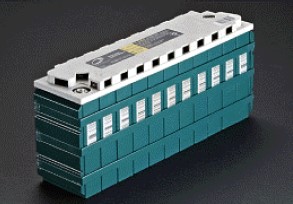
A nickel–metal hydride battery (NiMH) is a type of rechargeable secondary cell that stores electrical energy through reversible electrochemical reactions between a nickel-based positive electrode and a hydrogen-storing negative electrode. NiMH cells are manufactured in common consumer formats such as AA and AAA as well as larger cylindrical and prismatic shapes for industrial, power-tool and automotive applications. Their combination of moderate energy density, safety and cost effectiveness has made them a widely used rechargeable chemistry since commercial introduction in the late 20th century.
Image gallery
7 Images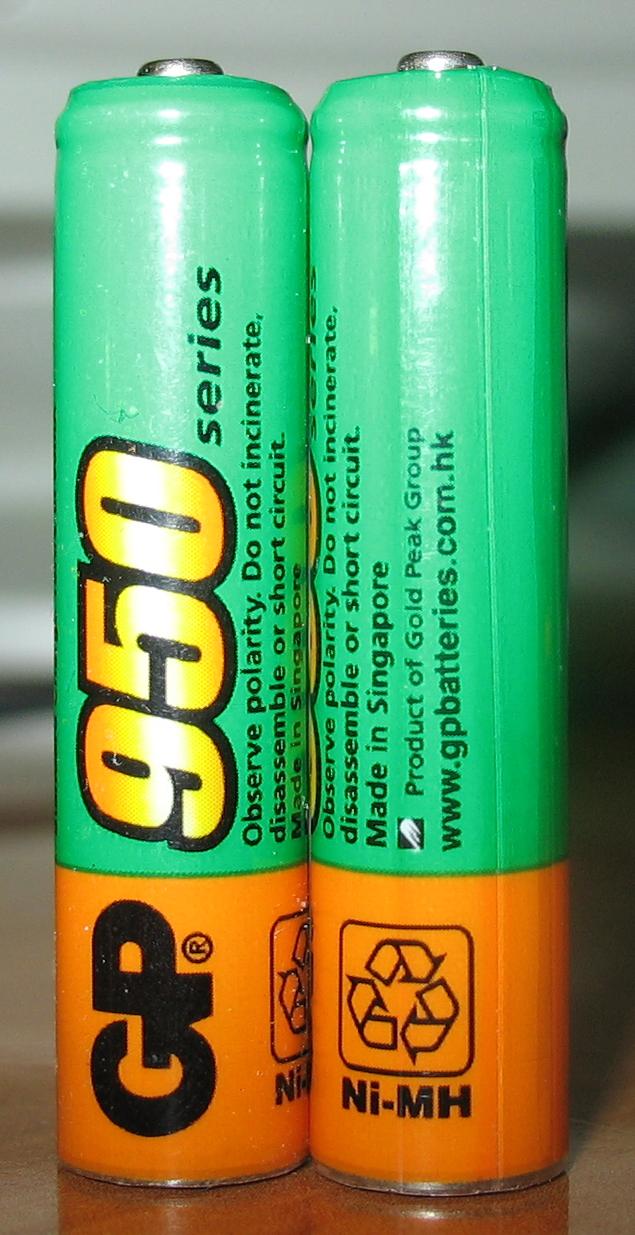


Chemistry and construction
The positive electrode in a NiMH cell is based on nickel oxyhydroxide (often abbreviated NiOOH) and behaves similarly to the active material in nickel–cadmium cells. The negative electrode is a metal alloy that absorbs and releases hydrogen, forming a reversible metal hydride during charging and discharging. Typical negative alloys include mischmetal or rare-earth–containing hydride materials; discussions of metal hydride chemistry are available via metal hydrides and related alloy topics such as lanthanum hydride. The positive active material is related to nickel oxides and oxyhydroxides and their redox transitions are central to cell operation; see nickel oxyhydroxide for further context.
Electrical characteristics
NiMH cells have a nominal cell voltage of about 1.2 volts, which is lower than a typical alkaline cell but consistent across discharge until near depletion. They offer higher energy density than nickel–cadmium cells but generally less than modern lithium-ion cells (lithium-ion). Internal resistance and capacity vary with cell size, construction and temperature; NiMH is capable of delivering relatively high discharge currents, which is why it remains useful in high-drain portable devices.
Charging, maintenance and lifecycle
Proper charge management extends cycle life. NiMH batteries are commonly charged with smart chargers that detect full charge by voltage drop, delta-V, or by measuring temperature rise. Older NiMH cells exhibited relatively high self-discharge and could lose a noticeable fraction of charge in weeks, but modern low-self-discharge formulations retain charge for much longer and are suitable for standby use. Typical cycle life ranges from several hundred to over a thousand cycles depending on depth of discharge, charge method and operating temperature.
Advantages and limitations
- Advantages: NiMH cells avoid cadmium, reducing toxicity compared with nickel–cadmium technology; see a comparison with NiCd. They are robust, tolerant of abuse relative to some lithium chemistries, and can supply high current when required.
- Limitations: Compared with lithium-ion, NiMH has lower specific energy and typically greater self-discharge (though improved in modern variants). They are heavier and bulkier for the same stored energy and have a lower nominal voltage per cell than many lithium types.
Applications
NiMH batteries are used in consumer electronics such as digital cameras (cameras), flashlights, and cordless phones, as well as power tools and hybrid electric vehicles where durability and high current capability are important. Historically NiMH cells were chosen for early hybrid car implementations because of their tolerance for charge/discharge cycles and wide temperature range.
Environmental and recycling considerations
Because NiMH packs do not contain cadmium, they are considered less hazardous than NiCd cells, but they still contain metals and materials that should be recycled rather than placed in regular waste streams. Many regions have regulations and collection programs for rechargeable battery recycling; users should follow local guidance and available take-back services to recover useful materials and minimize environmental impact.
Practical guidance
- Use a charger designed for NiMH chemistry and for the cell format; smart chargers extend life and reduce the risk of overcharge.
- Store cells charged to a moderate state and in a cool, dry place to minimize self-discharge and aging.
- For long-term standby use, consider low-self-discharge NiMH variants that retain capacity for months rather than weeks.
- Recycle or dispose of NiMH batteries according to local regulations to reclaim materials and reduce environmental impact.
Overall, nickel–metal hydride remains a mature and practical rechargeable technology that balances safety, cost and performance for many everyday and industrial uses, while lithium-ion chemistries continue to dominate applications where maximum energy per weight is essential.
Related articles
Author
AlegsaOnline.com Nickel–metal hydride battery (NiMH) Leandro Alegsa
URL: https://en.alegsaonline.com/art/69967