
Nintendo 3DS: portable console with glasses-free 3D and a long-running family
The Nintendo 3DS is a handheld gaming system by Nintendo that introduced glasses-free 3D stereoscopy, backward compatibility with DS titles, multiple hardware revisions, online services and a large game library from 2011–2020.
The Nintendo 3DS is a portable video game console produced by Nintendo. It is best known for its autostereoscopic display, which produces a perception of depth without requiring special glasses (3D effects). Launched as the successor to the Nintendo DS family, the 3DS maintained the dual-screen clamshell design while adding stereoscopic visuals, motion sensors, improved controls and a focus on online content and social features.
Image gallery
10 Images




Hardware and core features
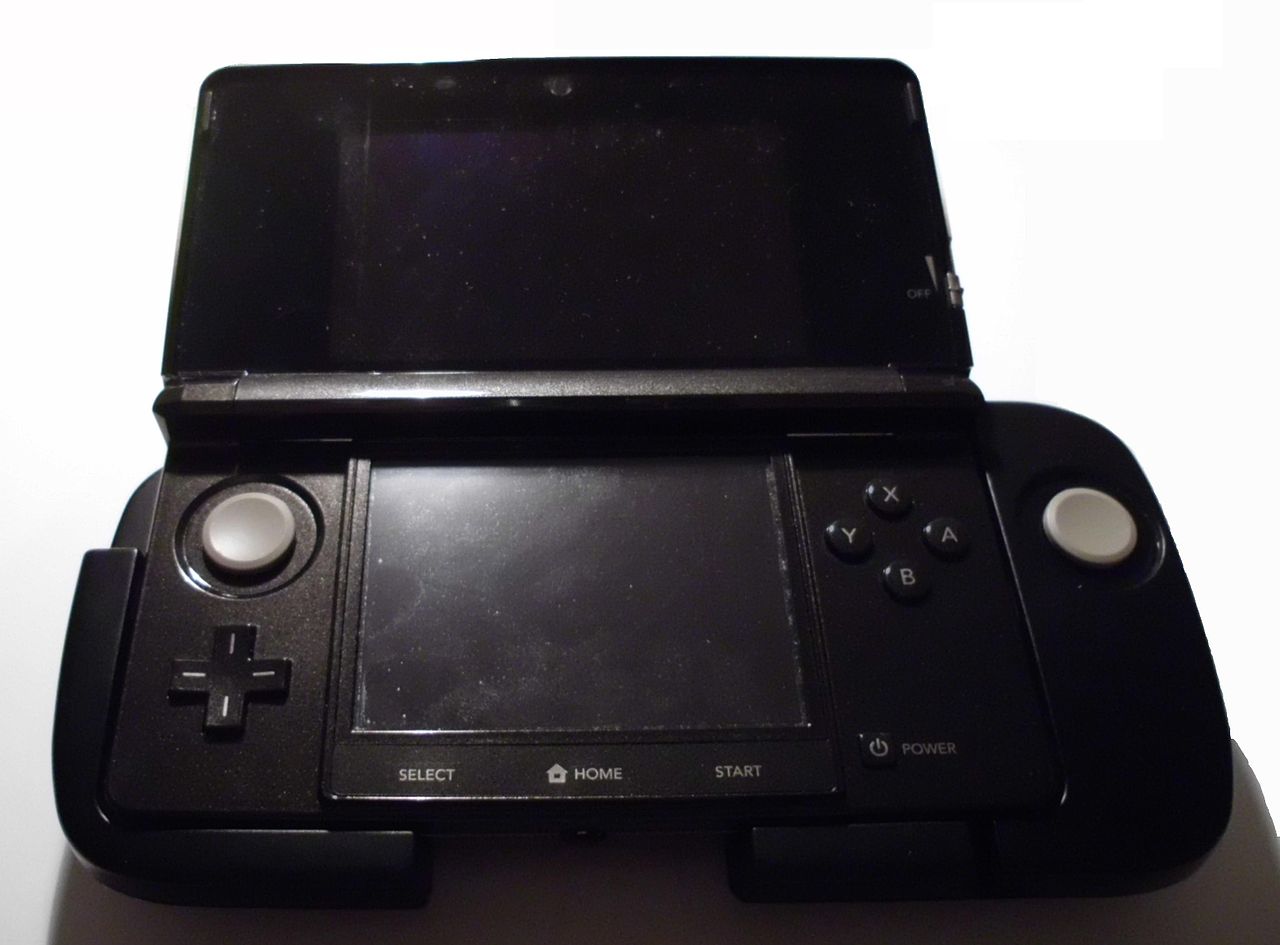
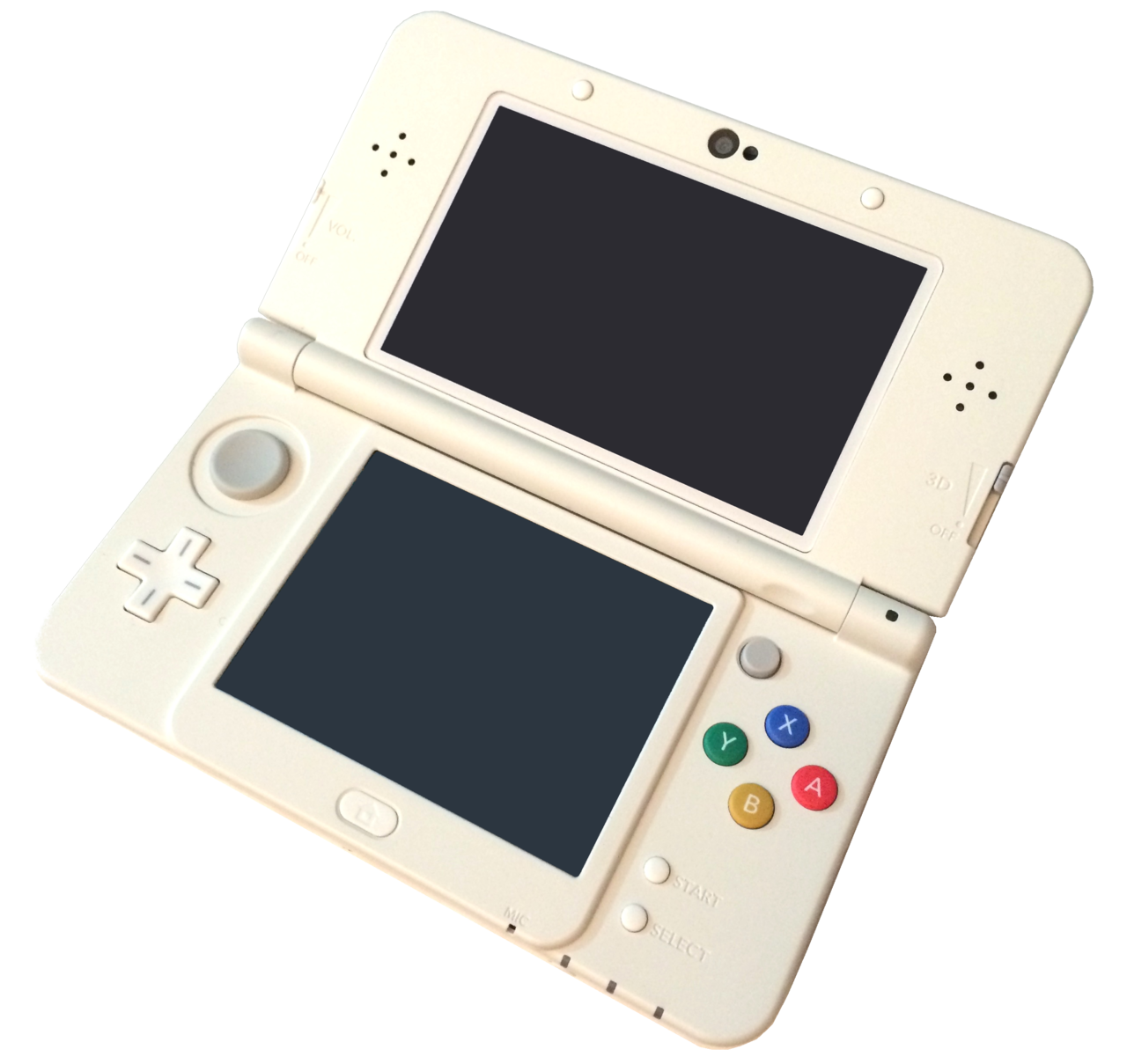
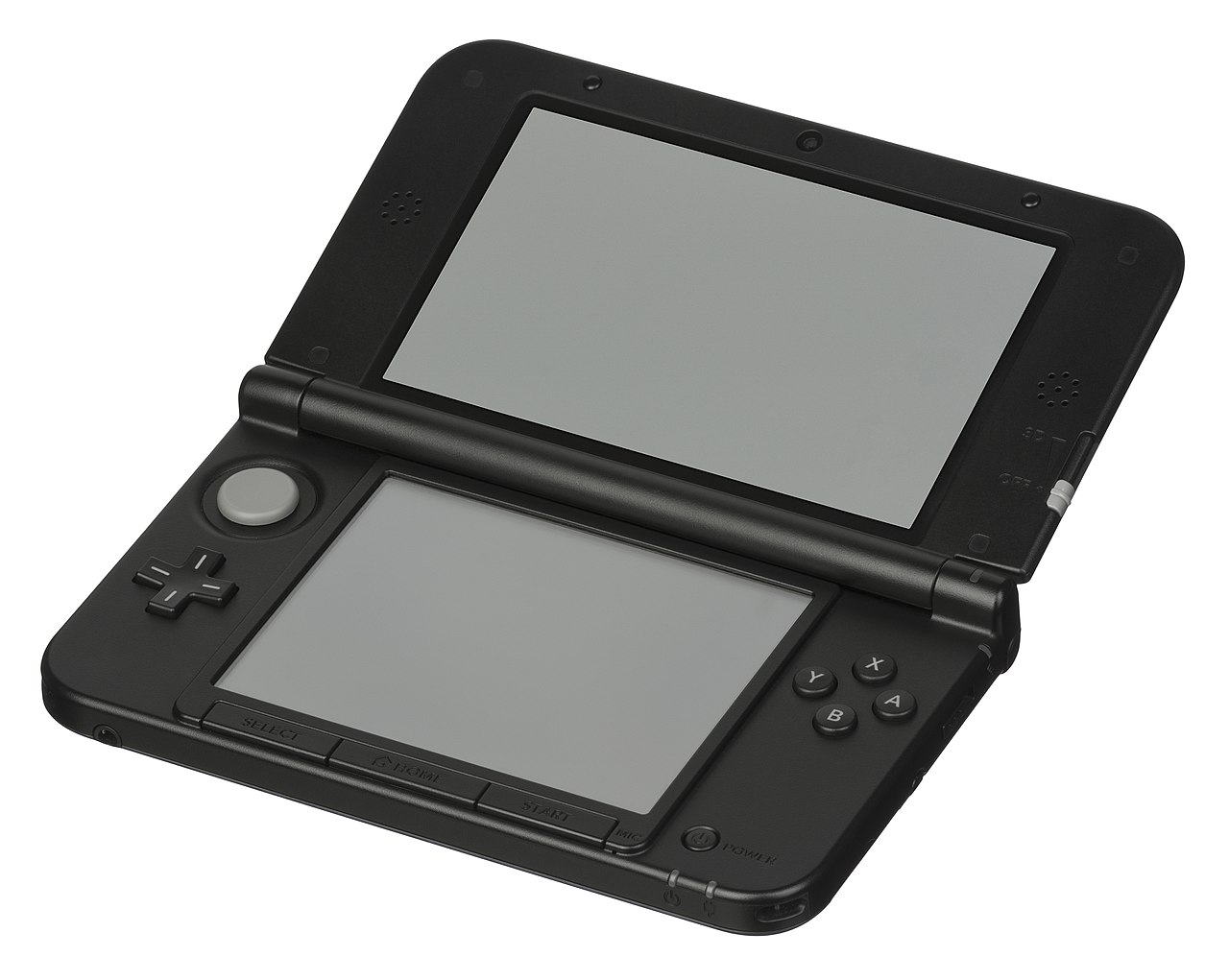
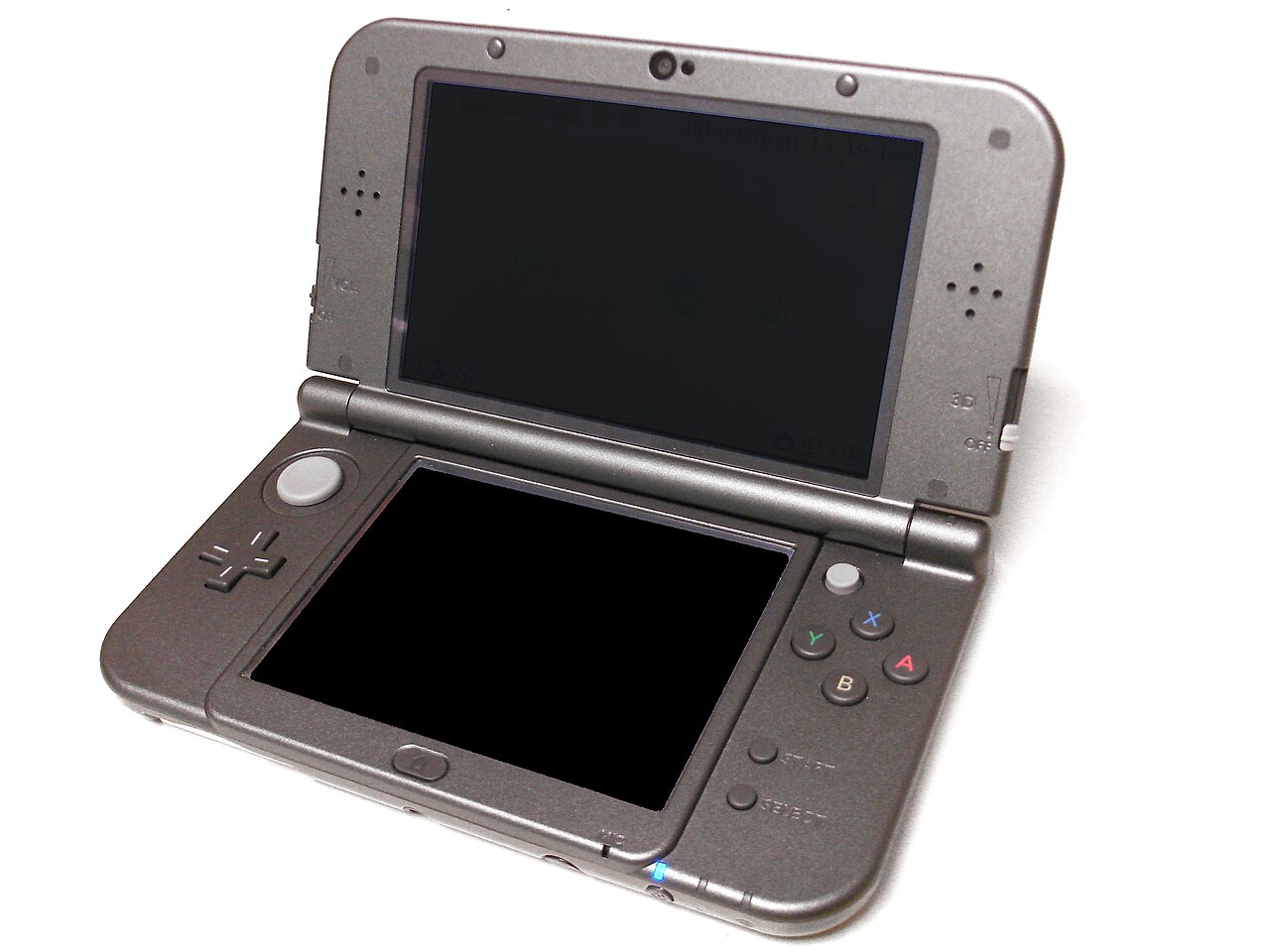
The system uses two screens: an upper display capable of glasses-free 3D and a lower resistive touchscreen for touch input. A sliding control lets players vary or disable the lens-based depth effect. The handheld includes dedicated buttons and a thumb-operated analog pad called the Circle Pad, plus cameras—two outward-facing and one inward-facing—so users can capture photos and record short 3D videos with the outer pair. The device also supports Wi‑Fi connectivity, an internal friend and avatar system, and a user account architecture that connects to Nintendo’s digital storefront.
- Cameras and imaging: Multiple cameras let players take stereoscopic photos and short videos; the system enables simple augmented-reality applications.
- Backward compatibility: Most Nintendo DS and DSi cartridges run on the 3DS in 2D, though the Game Boy Advance slot used by older DS models is absent (as on the DSi XL).
- Software ecosystem: The handheld includes built-in applications such as a Mii creation tool (Mii Maker), and supports downloadable channels and a digital store for games and extras.
Software, services and accessories
The 3DS launched with a combination of retail games and system-level channels offering video, news and community features. Its digital storefront offered both new titles and a library of legacy software; early adopters were given limited free downloads from classic systems. The platform introduced social mechanics such as local data exchange and online content delivery. Over its lifetime Nintendo released patches and enhanced storefront features, and later models added further capabilities such as near-field communication for accessory integration.
Models and revisions
Nintendo expanded the 3DS family with a series of hardware revisions designed to address screen size, ergonomics and performance. A larger-screen variant known as the 3DS XL debuted after the original model, offering bigger displays and extended battery life; it was promoted alongside retail releases like New Super Mario Bros. 2. A budget alternative that omitted the stereoscopic feature, the Nintendo 2DS, used a slate-style form factor and targeted younger players. Nintendo later introduced the New Nintendo 3DS line with added controls and system improvements, and a New Nintendo 2DS XL that combined the clamshell shape with the upgraded internals while keeping the 3D option disabled.
- Electronic Entertainment Expo reveal: The first public demonstrations of the hardware took place at high-profile industry events.
- Japan, Europe, United Kingdom, United States and Canada and Australia rollouts occurred in early 2011, with regional launch windows announced ahead of general availability.
- Classic game re-releases and special promotions were used to encourage early adoption and reward initial customers.
History, sales and legacy
The 3DS arrived to mixed reaction: its glasses-free 3D drew attention, while critics and consumers debated its practical benefit for long play sessions. Nintendo adjusted price and promotion strategy in the months after launch, including special download programs for early buyers. The platform achieved strong long-term software support and a large library spanning first-party franchises—such as Mario, Pokémon and The Legend of Zelda—and many third-party titles and indie releases. In its early period the system recorded millions of units sold globally and a large number of user-created avatars and community interactions.
Over the next several years Nintendo maintained the family with multiple hardware variants to suit different players and price points. The system remained an important part of Nintendo’s handheld strategy until the company gradually shifted focus to hybrid consoles. Official production and new SKU releases wound down in the late 2010s, and Nintendo announced discontinuation of the 3DS line in 2020. Its influence endures in the ideas it popularized for portable social gaming, legacy content distribution, and the company’s approach to multiple simultaneous hardware models.
For more detailed timelines and feature lists, consult manufacturer pages and archived announcements; the 3DS story touches on hardware innovation, software curation, and a decade-long service lifecycle that illustrates how handheld gaming evolved in the 2010s.
Console overview | Manufacturer | 3D technology | DS family | Wii | Wii U | Nintendo Switch | Mii Maker | Japan launch | Europe launch | UK launch | US launch | Canada launch | Australia launch | DSi compatibility | DSi XL note | GBA slot | Cameras | E3 preview | Classic NES titles | Retail bundles | 2DS variant
Questions and answers
Q: What is the Nintendo 3DS?
A: The Nintendo 3DS is a handheld video game console made by Nintendo which can display 3D effects without the need for any special glasses. It succeeded the Nintendo DS family.
Q: Does the Nintendo 3DS have a Mii Maker application?
A: Yes, like the Wii, Wii U, Nintendo Switch, and all members of the Nintendo 3DS family, it has a Mii Maker application that lets users create their own personal avatar which some games use to replace standard characters.
Q: When was the Nintendo 3DS released?
A: The Nintendo 3DS was released in Japan on February 26, 2011, on March 25, 2011 in Europe and the United Kingdom, on March 27, 2011 in the United States and Canada, and in Australia on March 31, 2011.
Q: Can you play games in 2D or 3D with a Nintendo 3DS?
A: Yes, with a slider feature that lets players change levels of 3D in-game. Additionally most DS and DSi games are playable but only in 2D mode.
Q: Are there extra channels available for use with aNintendo3DS?
A: Yes there are extra channels such as Nintendo Video ,Nintendo Zone ,and Swapnote available to download from the eShop .
Q:Does it come with cameras ?
A:Yes ,it comes with one camera inside and two cameras outside which allow users to take pictures or shoot videos up to 10 minutes long in 3D .
Related articles
Author
AlegsaOnline.com Nintendo 3DS: portable console with glasses-free 3D and a long-running family Leandro Alegsa
URL: https://en.alegsaonline.com/art/70286
Sources
- nintendo.co.jp : "Supplementary Information about Earnings Release"
- ign.com : "Nintendo Conference 2010 Details"
- nintendoworldreport.com : "3DS North American Price, Date, Colors Set"
- vooks.net : "Nintendo 3DS launches in Australia on March 31st for $349"
- nintendo.co.jp : "Dedicated Video Game Sales Units"
- nintendo.co.jp : "Top Selling Software Sales Units"
- gamespot.com : "A Visual History of the Nintendo 3DS"
- ibtimes.com : Nintendo 3DS XL Price and Release Date Revealed
- amazon.com : amazon.com/Nintendo-New-3DS-XL-Black/dp/B00S1LRX3W/ref=dp_ob_title_vg?th=1.html