
New Jersey Transit (NJ Transit)
New Jersey Transit is the state-owned public transportation corporation providing bus, commuter rail, and light rail services across New Jersey, with major connections to New York City and Philadelphia.
Overview
New Jersey Transit (often shortened to NJ Transit) is the state-owned public transportation corporation that operates bus, commuter rail and light rail services across the state. It links residential suburbs, urban centers and major employment hubs, and provides direct connections to New York and Philadelphia. The system is a primary mobility provider for daily commuters, students and other travelers in the region.
Image gallery
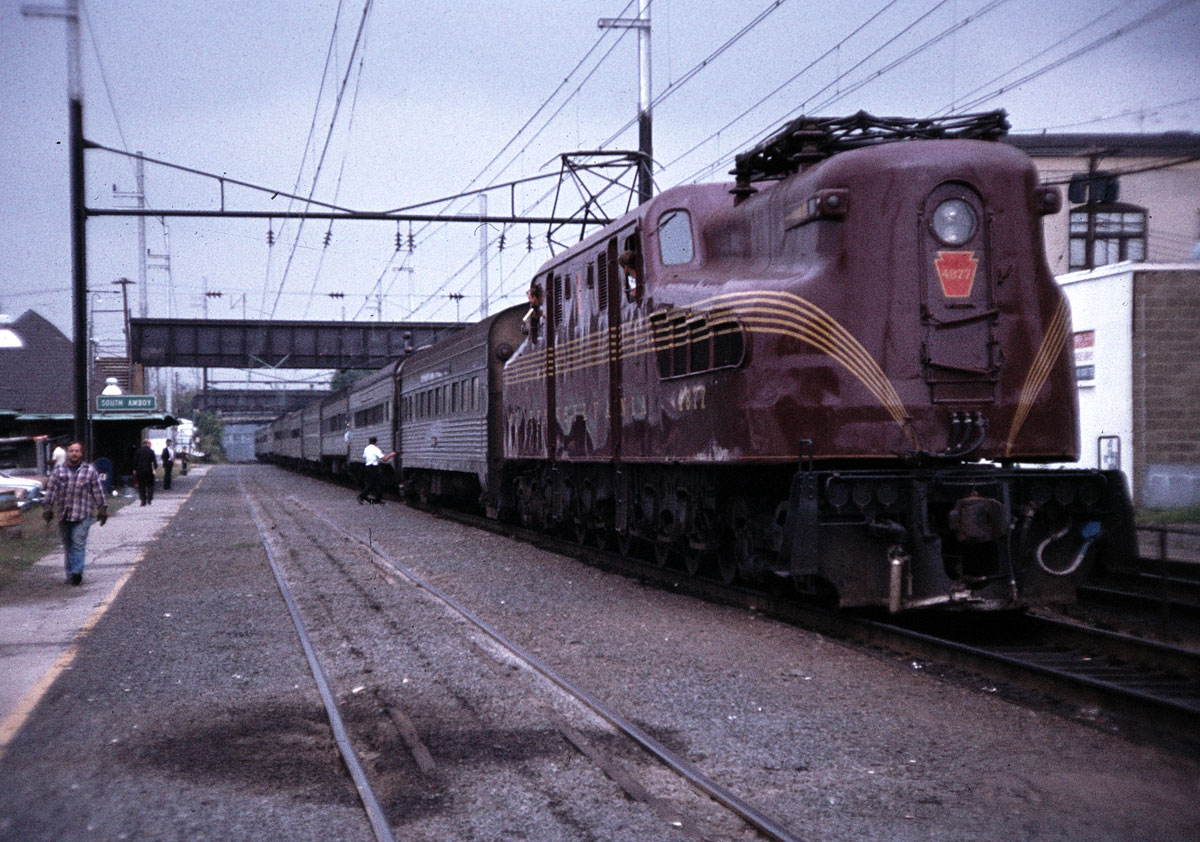
6 Images




Services and network
NJ Transit operates multiple service types that together form a regional network. Key components include:
- Commuter rail: Regional rail lines serving city terminals and suburban stations, timed for peak commuting patterns.
- Bus: Local, express and interstate bus routes connecting towns, shopping centers and transit hubs.
- Light rail: Urban light rail corridors that serve denser neighborhoods and waterfront redevelopment areas.
- Paratransit: Demand-response services for riders with disabilities.
History and development
Created as a state corporation to organize and preserve public transit in New Jersey, NJ Transit brought together services previously run by multiple private and public operators. Over decades the agency developed rail and light-rail corridors and expanded bus services to respond to suburban growth and changing travel patterns. Projects such as urban light-rail lines and station improvements reflect long-term investment in transit-oriented development.
Operations, connections and importance
The agency’s network concentrates on moving large numbers of commuters into regional job centers while also serving off-peak and local travel needs. Major terminals and transfer points connect passengers to other systems—subway and commuter rail networks in neighboring cities, regional rail providers, and local transit—making NJ Transit a critical link in the Northeast transportation corridor. It supports economic activity by providing access to employment, education and services.
Challenges and notable facts
As a large statewide system, NJ Transit faces ongoing challenges common to many transit agencies: maintaining aging infrastructure, funding capital projects, and improving reliability and customer experience. It is recognized as one of the largest statewide public-transportation providers in the United States and operates notable light-rail lines serving redevelopment areas. For official resources and service information, see the agency’s main portal in New Jersey.
Questions and answers
Q: What is NJ Transit?
A: NJ Transit is a state-owned public transportation system that serves New Jersey.
Q: What modes of transportation does NJ Transit operate?
A: NJ Transit operates bus, rail, and commuter rail services throughout the state.
Q: Which cities does NJ Transit connect?
A: NJ Transit connects New York and Philadelphia.
Q: How does NJ Transit rank among other providers of bus and rail services?
A: NJT is the third largest provider of bus and rail services.
Q: Is NJ Transit a privately owned or state-owned company?
A: NJ Transit is a state-owned company.
Q: What is the significance of NJ Transit being the largest statewide system for public transportation?
A: Being the largest statewide system for public transportation means that NJ Transit has a wide reach and provides services to a large number of people in New Jersey.
Q: Does NJ Transit provide both local and long-distance transportation services?
A: Yes, NJ Transit provides both local and long-distance transportation services.
Related articles
Author
AlegsaOnline.com New Jersey Transit (NJ Transit) Leandro Alegsa
URL: https://en.alegsaonline.com/art/69545
Sources
- ntdprogram.gov : NTD filings for New Jersey Transit
- findarticles.com : "New Jersey's innovators: New Jersey Transit's billion-dollar capital budget is focused on creating a unified, statewide network of commuter and light rail lines. New technologies are a key part of that strategy"
- railwayage.com : "Jersey Transit Strong"
- njtransit.com : New Jersey Transit 2004 Annual Report, Page 6
- cnn.com : "Sandy pummels West Virginia as grueling recovery begins on East Coast"
- njtransit.com : "Board"
- superstormsandyrecovery.com : "New Jersey Transit Corporation's After Hurricane Sandy Action Report"
- northjersey.com : "NJ Transit ignored flood warning before Superstorm Sandy, report confirms"
- nj.com : "Review of NJ Transit's response to Sandy finds need for more coordination, places to shelter trains"
- superstormsandyrecovery.com : "Superstorm Sandy Recovery"
- northjersey.com : "NJ Transit hires firm to design train haven"
- nj.com : "Scarred by Sandy, NJ Transit to get permanent home to store trains"
- nj.com : "NJ Transit proposal to build South Kearny generator 'chills' development hopes"
- theobserver.com : Meadows redevelopment ratables at risk
- northjersey.com : "Going with electric trains"