
Festival of Nine Lessons and Carols
A Christmas church service combining nine Bible readings with carols. Originating in 1880, its structure, history, and global use—including the famed King's College service—are described here.
The Festival of Nine Lessons and Carols is a seasonal Christian worship service that combines scriptural readings with the singing of carols. Traditionally associated with Christmas, the format interweaves nine short Bible passages with musical pieces performed either by a choir alone or by the whole congregation, according to local custom and liturgical practice (choir or congregation). The readings trace the biblical narrative from humanity's fall to the arrival of Christ, narrating key theological events and promises from the Bible and culminating in the nativity accounts about the birth of Jesus.
Image gallery
7 Images


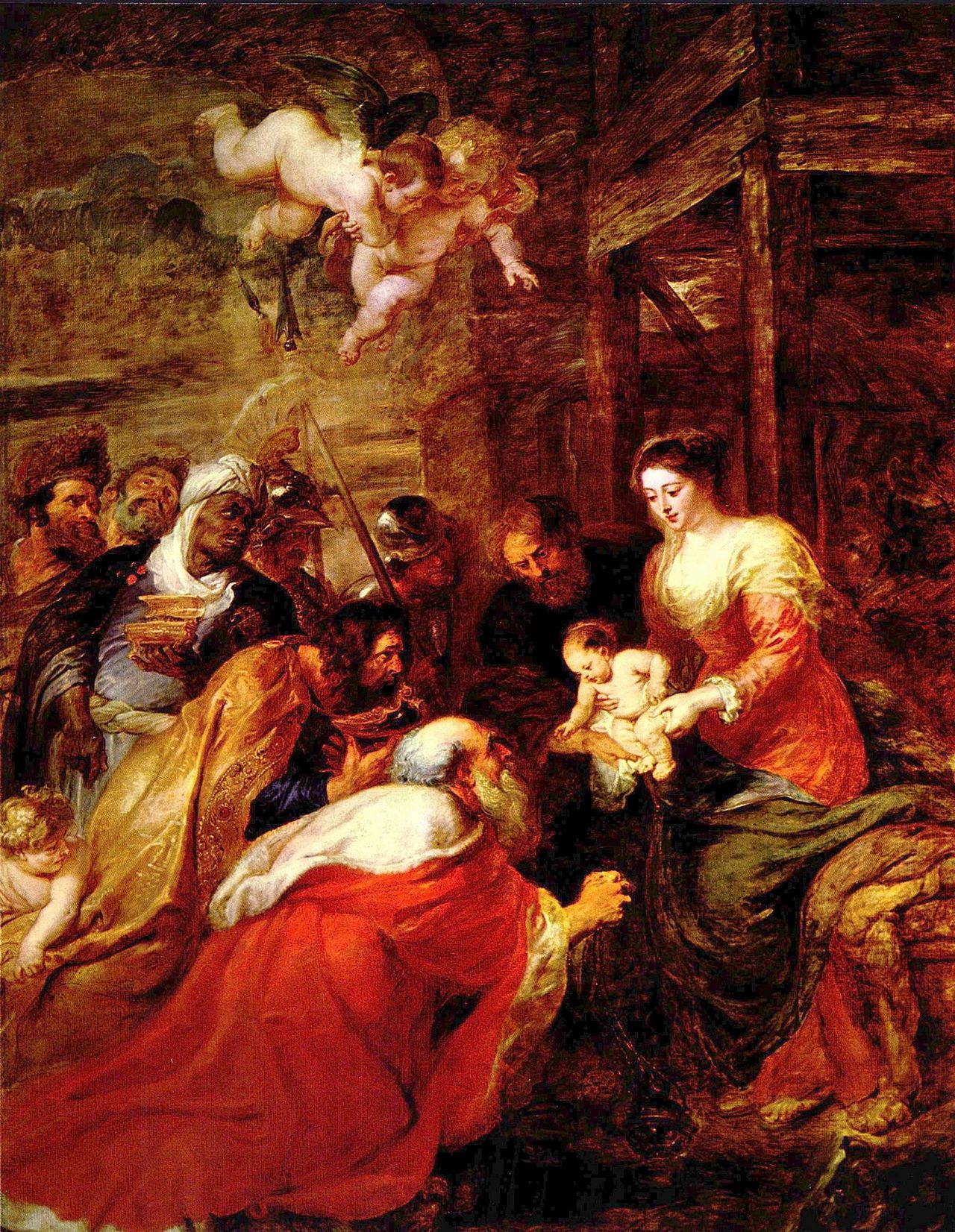
Structure and content
The service is notable for its clear alternation: a short lesson is read aloud, followed by a carol that reflects or responds to the passage. While individual services vary, a typical pattern groups lessons in three broad movements: the fall and promise, prophecy and anticipation, and the incarnation. Many congregations keep the established sequence of nine lessons, but the choice of carols and musical arrangement is flexible.
Typical sequence
- Creation and Fall — scriptures about humanity’s separation from God
- God’s promise of a redeemer — early prophetic reflection
- Prophetic anticipation — messianic predictions
- Prophets and the promise of peace
- The annunciation or foretelling of a savior
- Preparations for the coming of the Lord
- The birth narratives — Gospel testimonies of the nativity
- Reactions to the birth — praise and proclamation
- Carol of praise — affirmation of the incarnation
Origin and historical development
The format was devised in 1880 by Edward White Benson while he was Bishop of Truro in Truro, a city in Cornwall, England. Benson intended the service as a sober, pedagogical way to tell the Christian story on Christmas Eve; its balance of Scripture and music made it appealing for both parish congregations and cathedral contexts. The pattern spread through the Anglican Communion (Anglican) and beyond as choirs and congregations adopted the nine-lesson outline and varied the musical selections.
Uses, adaptations, and notable services
Though rooted in Anglican practice, the service has been adapted by other denominations, including some Roman Catholic and Lutheran communities, and by schools and civic choirs. The most internationally recognized example is the annual service at King's College, Cambridge, whose choir has made the format familiar to millions through radio and television transmissions. That particular service has been broadcast by the BBC and other outlets for many decades, contributing to the service’s global reputation.
Variations and significance
Local customs affect language, musical repertoire, and who reads the lessons. Some parishes commission contemporary carols or settings, while others preserve traditional hymns and choral works. The Festival of Nine Lessons and Carols remains valued for its narrative clarity and its ability to unite scripture, music, and communal worship in a concise liturgical form. It is often used in schools and parish churches to present the Christmas story in a way that is accessible to congregations of all ages.
Further notes
Because the service balances spoken word and song, it functions as both a catechetical tool and a concert-like musical event. Choirs, organists, and music directors play a key role in shaping each service’s character, and many communities continue to adapt the lessons-and-carols model to reflect local language, musical tradition, and theological emphasis.
Questions and answers
Q: What is the Festival of Nine Lessons and Carols?
A: The Festival of Nine Lessons and Carols is a form of church service used at Christmas in the Anglican Church, which involves nine readings and carols sung between each reading.
Q: Who started the form of the service?
A: The form of the service was started by Edward White Benson who was Bishop of Truro in Cornwall, for use on Christmas Eve in 1880.
Q: What is the story told in the service?
A: The story is told from the beginning of the Bible in which Adam disobeys God, to the coming of the baby Jesus.
Q: Is the service only used by Anglican churches?
A: No, the service is now used by other churches all over the world, not just in Anglican churches, but also in some Roman Catholic and Lutheran churches.
Q: Where in the UK has the service become the standard form for schools' Christmas carol services?
A: In the UK, the service has become the standard form for schools' Christmas carol services.
Q: Which is the best-known Nine Lessons and Carols service?
A: The best-known Nine Lessons and Carols service is the one held in King's College, Cambridge every Christmas.
Q: Has the King's College service been broadcasted before?
A: Yes, the King's College service has been broadcast by the BBC for more than half a century.
Related articles
Author
AlegsaOnline.com Festival of Nine Lessons and Carols Leandro Alegsa
URL: https://en.alegsaonline.com/art/70260
Sources
- education.guardian.co.uk : "The world's greatest carol event"