
Nikah: Islamic marriage — principles, types, and legal features
Nikah is the Islamic contract of marriage. This article outlines its purpose, essential conditions (consent, mahr, witnesses), major types including temporary forms, and variations in legal and cultural practice.
Overview
Nikah (Arabic: نكاح) denotes the Islamic institution and legal contract of marriage. In classical jurisprudence it is treated as a contract with moral and social dimensions: it creates mutual rights and duties between spouses, establishes legitimate lineage for children, and affects property and inheritance rules. The religious ideal emphasizes a lasting partnership, but legal systems and customary practice give scope to different procedures for formation and termination.
Image gallery
4 Images

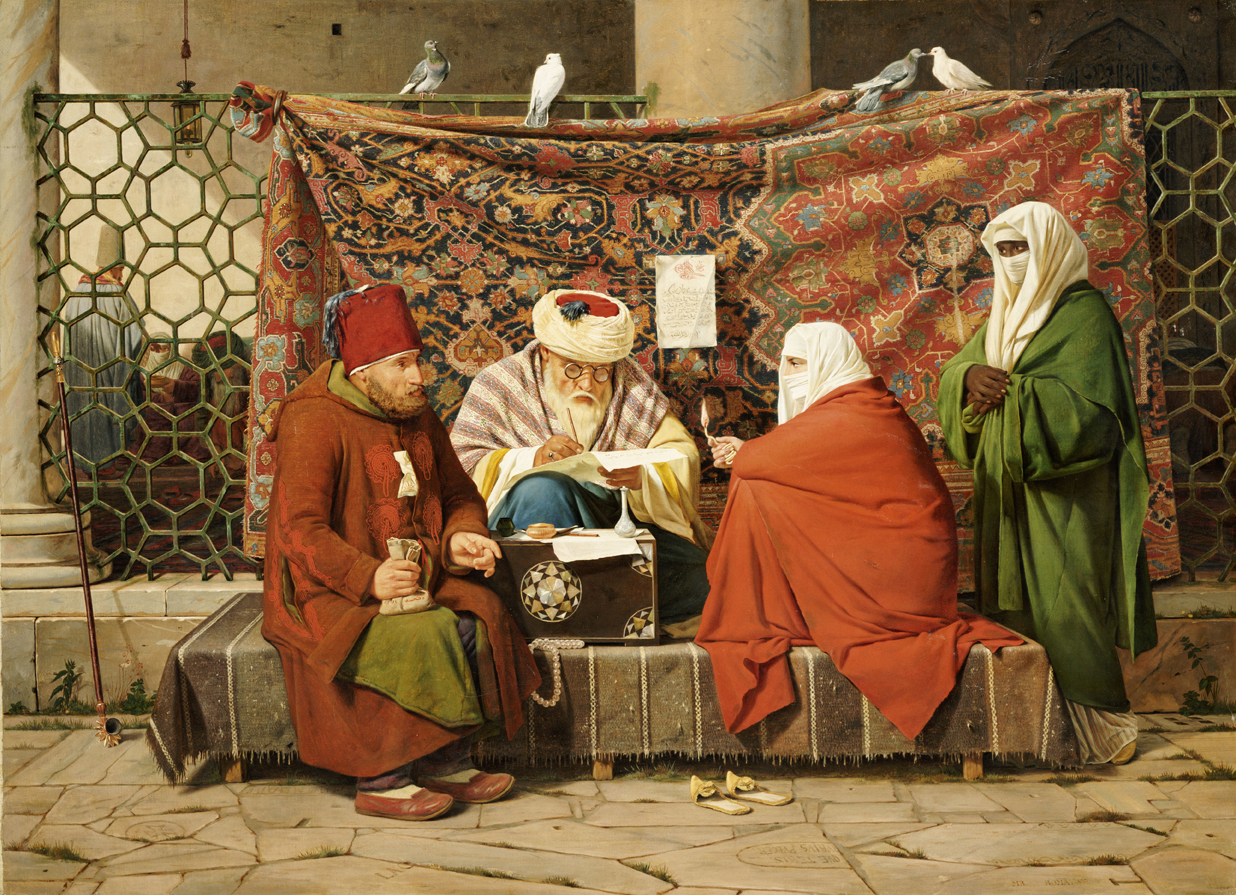

Essential elements
Most schools identify core requirements for a valid nikah. These aim to protect the parties and ensure the marriage is publicly recognizable:
- Mutual consent: Both parties must freely agree to the union; consent is a foundational element across schools.
- Mahr (dower): A contractual gift or payment from the husband to the wife, agreed at the time of contract and often recorded.
- Witnesses and declaration: Many traditions require witnesses and a public declaration so the marriage is attested and disputes are reduced.
- Capacity and guardianship: Parties must have capacity to contract; some schools require a guardian (wali) for the bride while others allow her direct consent.
Consent, witnesses and practical safeguards
Consent is central to nikah. In some rites the husband and wife (or their representatives) are asked explicitly to accept the contract in the presence of witnesses. These safeguards help prevent later disputes about coercion or lack of agreement and clarify legal standing in family matters. Traditional procedures may include formal offers and acceptances, and local practice determines how strictly minutes or records are kept; a formal ceremony can also include social and religious elements.
Types and differing views
Beyond permanent marriage, juristic literature records a variety of arrangements. A well known special form is the temporary marriage often called nikah mut'a, which many Shia jurists recognize while the majority of Sunni authorities do not accept it. Sunni positions vary: some critics describe certain temporary arrangements as comparable to prostitution, whereas other Sunni jurists developed distinct concepts to address similar social concerns without adopting the Shia form. Contemporary practice differs widely by community and national law.
Legal status and schools of thought
Different schools of Islamic law (madhahib) interpret formation, the role of the guardian, and grounds for annulment or divorce in distinct ways. For example, many Sunni jurists emphasize institutional norms attributed to historic practice, while Shia jurists apply their own legal principles. Debates on legitimacy, duration, and enforceability reflect doctrinal differences as well as modern statutory family law.
Rights, obligations and termination
Under nikah spouses acquire reciprocal rights and duties: financial support, conjugal rights, and responsibilities toward children and household management. Termination may occur through divorce, judicial annulment, or other recognized procedures under religious or civil law; different systems provide varying protections for maintenance, custody and property division. Formal notice, witnesses and documentation are important in many jurisdictions to settle later disputes about family status or allegations such as rape.
Contemporary issues and practice
In modern contexts, state registration, civil family codes and human rights considerations affect how nikah is performed and recognized. Cultural customs, national legislation and the interplay between religious authorities and secular courts produce a wide range of practices across Muslim-majority and minority communities. Practical questions include how to register marriages with civil authorities, how to record mahr and custodial agreements, and how courts treat temporary or irregular unions.
Nikah therefore operates both as a religious rite and a legal contract. For general introductions see summaries of Islamic family law and for community-specific guidance consult local religious authorities or legal texts. Related topics include divorce (divorce), perspectives within Sunni and Shia traditions, and the roles and expectations of the husband and wife in law and practice.
Questions and answers
Q: What is Nikah?
A: Nikah is the Islamic law concept of marriage.
Q: What happens in a normal Nikah marriage?
A: In a normal Nikah marriage, the marriage does not end unless the couple gets divorced.
Q: What is a Nikah Mut'a?
A: A Nikah Mut'a is a marriage for a given time.
Q: Who does not recognize Nikah Mut'a?
A: Sunni Islam does not recognize Nikah Mut'a.
Q: What do Sunni Muslims say about Nikah Mut'a?
A: Sunni Muslims say that Nikah Mut'a is a legitimization of prostitution.
Q: Have some Sunni schools of law developed similar concepts to Nikah Mut'a?
A: Yes, some Sunni schools of law have developed similar concepts to Nikah Mut'a.
Q: What happens during a Nikah ceremony with regards to consent to intercourse?
A: During a Nikah ceremony, both husband and wife are asked three times for consent to intercourse with witnesses so later on no one can claim rape.
Related articles
Author
AlegsaOnline.com Nikah: Islamic marriage — principles, types, and legal features Leandro Alegsa
URL: https://en.alegsaonline.com/art/70178