
Neurological disorder
A neurological disorder is any condition affecting the nervous system—brain, spinal cord or peripheral nerves—causing symptoms from pain and weakness to seizures and altered consciousness.
Overview
A neurological disorder is any condition that impairs the normal structure or function of the nervous system. This broad category includes problems that arise in the central and peripheral components of the nervous system, and can result from structural damage, chemical imbalances or abnormal electrical activity. Practitioners often frame these conditions in terms of how they affect the nervous system as a whole.
Image gallery
2 Images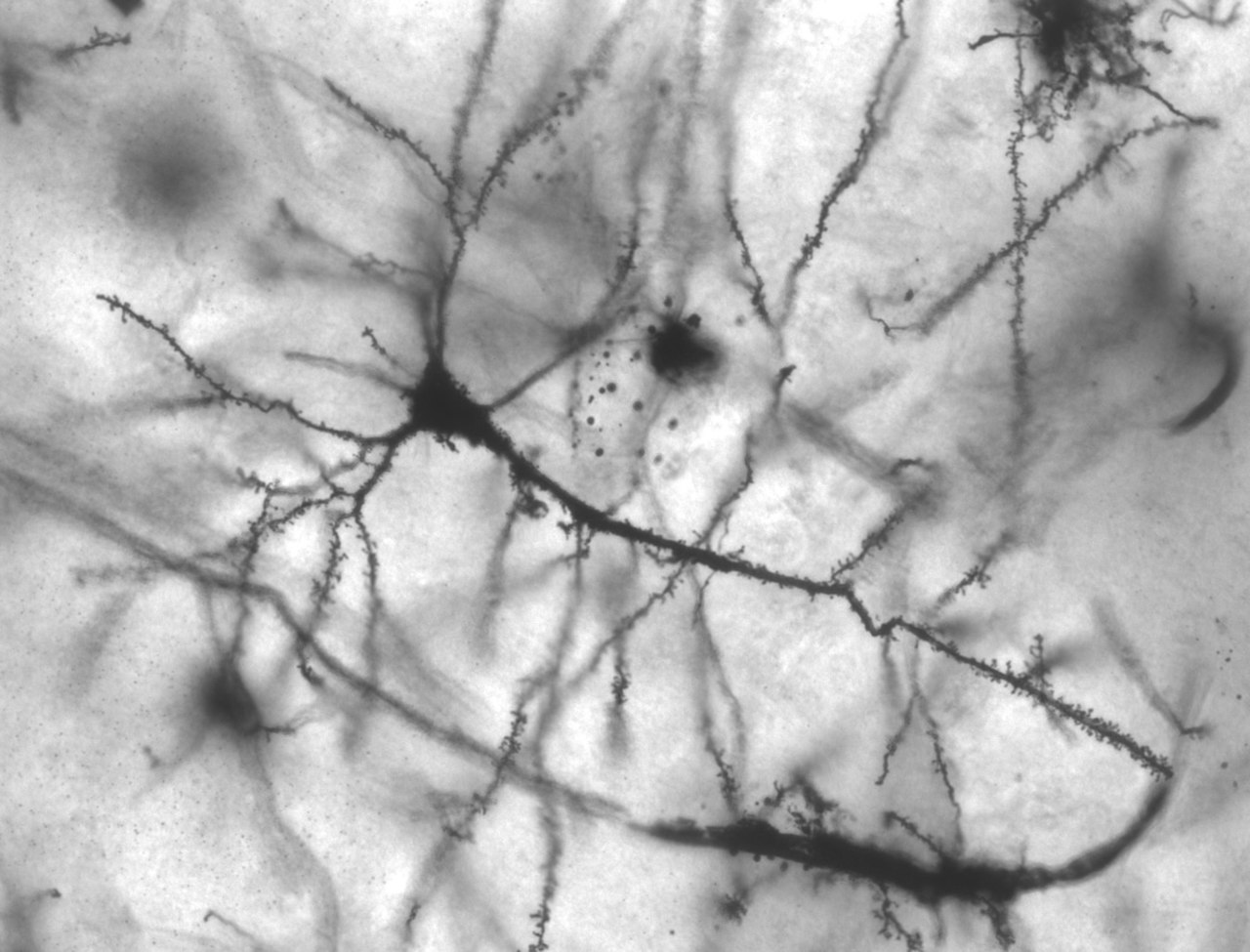

Causes and common symptoms
Underlying mechanisms vary: physical injury, infection, genetic faults, autoimmune processes, degenerative changes, vascular events and metabolic disturbances can all produce neurological disease. Damage may localize to the brain, the spinal cord or to peripheral nerves, and the site of injury helps determine the clinical picture.
- paralysis or muscle weakness
- poor coordination and balance
- loss of sensation or abnormal sensations
- seizures and transient altered awareness
- headache, pain and cognitive or mood changes
Diagnosis and management
Diagnosis relies on a clinical neurologic examination supported by tests such as neuroimaging, electrophysiology (EEG, nerve conduction studies), laboratory assays and, when appropriate, genetic testing. Management is equally varied: it can include symptom control with medications, surgical interventions, disease-modifying therapies for specific disorders, and rehabilitation to restore function and independence.
Classification and historical context
Neurological disorders are commonly grouped into categories—neurodegenerative, cerebrovascular, epileptic, inflammatory/infectious, traumatic, developmental/congenital and metabolic or toxic encephalopathies. Understanding has expanded from gross anatomical observations to modern imaging, molecular biology and electrophysiology, improving the ability to diagnose and treat many conditions.
Impact and important distinctions
These disorders significantly affect quality of life and public health. Some are chronic and progressive, others acute and potentially reversible. Neurological conditions overlap with psychiatric disorders: symptoms such as mood change or cognitive impairment may have neurological or psychiatric origins, so careful assessment and sometimes combined neurology–psychiatry care are needed. Ongoing research seeks better preventive strategies, therapies that modify disease course, and improved rehabilitation methods.
Related articles
Author
AlegsaOnline.com Neurological disorder Leandro Alegsa
URL: https://en.alegsaonline.com/art/69356