
Nicotine replacement therapy: overview, forms, effectiveness and safety
Nicotine replacement therapy (NRT) supplies controlled nicotine without tobacco smoke to reduce withdrawal, increase quit rates, and support smoking cessation through patches, gum, inhalers and other forms.
Nicotine replacement therapy (NRT) is a medical and behavioral tool used to help people stop using smoked or smokeless tobacco. It provides a measured dose of nicotine—the addictive compound in cigarettes and many other products—without the harmful products of combustion. By easing withdrawal and cravings, NRT aims to reduce the immediate physical dependence that makes quitting difficult while users change habits and responses to smoking cues.
Image gallery
6 Images

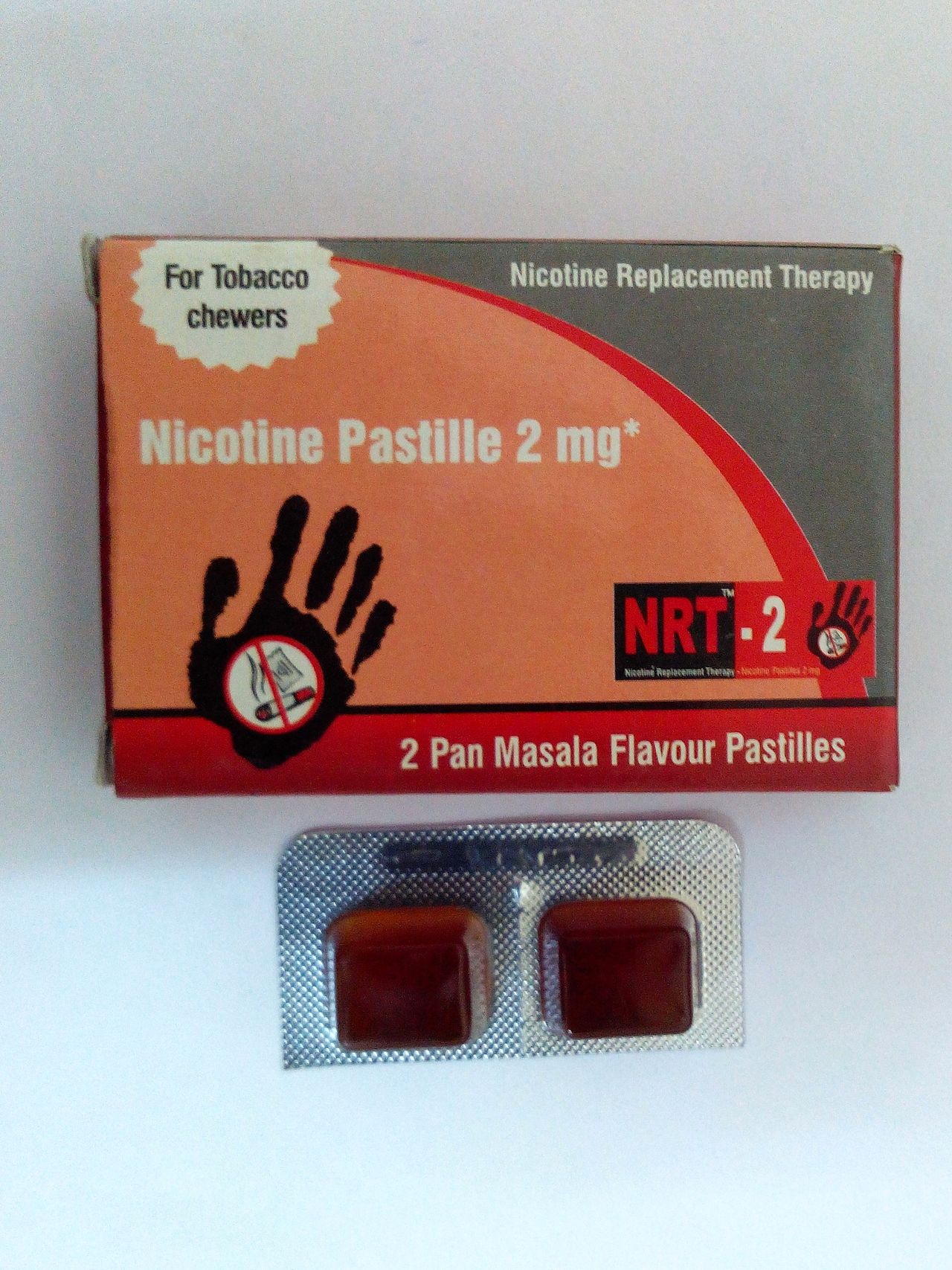


Common forms and how they differ
NRT is available in a variety of formulations that differ in how quickly nicotine is delivered and how they are used. Typical options include:
- Transdermal patches: steady, long-acting nicotine release worn on the skin for 16–24 hours.
- Nicotine gum: a chewable formulation that releases nicotine when chewed and parked between cheek and gum; can be used for sudden cravings. Nicotine gum is one of the best-known forms.
- Lozenges and sublingual tablets: dissolve in the mouth to release nicotine more quickly than a patch.
- Oral inhalers and nasal sprays: provide faster nicotine delivery and mimic some hand-to-mouth behaviors of smoking.
The choice among products depends on a smoker’s pattern, preference, medical history and the need for steady control versus rapid relief of urges. Some people combine a patch for baseline nicotine and a gum or spray for breakthrough cravings.
Mechanism and effectiveness
NRT works by stimulating nicotinic acetylcholine receptors in the brain, reducing withdrawal symptoms such as irritability, restlessness, impaired concentration and strong urges to smoke. NRT does not replicate the rapid spike in brain nicotine concentration produced by inhaled tobacco; instead it delivers nicotine more slowly and at lower peak levels, which reduces reinforcing effects while still alleviating withdrawal.
Large reviews of randomized trials have found that using NRT increases the chances of quitting compared with placebo or no pharmacological support. Meta-analyses indicate that NRT users are substantially more likely to be abstinent at follow-up, particularly when NRT is combined with behavioral counseling and ongoing support. For many smokers the combination of medication plus counseling yields the best long-term results.
People quit for many reasons, and NRT supports the process by targeting physical dependence—an important component of tobacco addiction often described simply as dependence. It also gives users time to break conditioned behaviors and environmental triggers tied to smoking.
Safety, limitations and special populations
Nicotine itself is not the principal cause of the illnesses and deaths associated with smoking; most health damage stems from toxic byproducts of combustion such as carbon monoxide, tars and other chemicals in smoke. NRT reduces exposure to those toxins. Common side effects depend on the product and can include local irritation (skin, mouth or nose), sleep disturbance, headache, nausea or palpitations. Serious adverse effects are uncommon when products are used as directed.
Health authorities generally recommend that NRT be considered for adults attempting to quit, including in some cases pregnant smokers or adolescents when behavioral interventions alone are insufficient, provided treatment is supervised by a clinician. Products vary by regulation and availability; some are over-the-counter while others require a prescription. People with heart disease, pregnancy, breastfeeding, or other significant medical conditions should discuss NRT options with a healthcare provider before starting therapy.
As an aid to smoking cessation, NRT is one component of a broader strategy that includes counseling, behavioral change techniques and, where appropriate, other pharmacotherapies. For additional resources and guidance consult professional smoking-cessation services and local treatment programs linked through healthcare providers or public health organizations.
Nicotine • Cigarettes • Tobacco • Dependence • Nicotine gum • Carbon monoxide
Questions and answers
Q: What is nicotine replacement therapy?
A: Nicotine replacement therapy (NRT) is a way to reduce the dependency symptoms of quitting smoking by delivering nicotine or a similar substance in other ways, such as patches and chewing gums.
Q: How does NRT deliver nicotine to the smoker's brain?
A: NRT delivers nicotine to the smoker's brain in a much slower way than cigarettes do, helping to damp down the urges to smoke that most smokers have in the early days and weeks after quitting.
Q: What substances are responsible for deaths from cigarettes?
A: Cigarettes are responsible for the deaths of about 5 million people each year due to other substances in tobacco smoke such as carbon monoxide and tars, not just from nicotine.
Q: Is NRT effective at helping people quit smoking?
A: Findings from a recent Cochrane review indicated that smokers using NRT were 1.5-2 times more likely to be abstinent from smoking at followup than those in placebo or control treatment conditions.
Q: Who should use NRT when trying to quit smoking?
A: The Committee on Safety of Medicines recommended that pregnant smokers and adolescent smokers use NRT when trying to quit smoking.
Q: Does using NRT alone guarantee success when quitting smoking?
A: No, using NRT alone does not guarantee success when quitting smoking; it is best used with some form of support, ideally from someone who knows something about cessation.
Related articles
Author
AlegsaOnline.com Nicotine replacement therapy: overview, forms, effectiveness and safety Leandro Alegsa
URL: https://en.alegsaonline.com/art/70031
Sources
- who.int : "WHO site on tobacco"
- who.int : "WHO - Marketers of electronic cigarettes should halt unproved therapy claims"
- mrw.interscience.wiley.com : full text
- cochrane.org : abstract
- ncbi.nlm.nih.gov : Entrez PubMed