
Neuroendocrine tumor (NET)
Neuroendocrine tumors are neoplasms that arise from hormone-producing neuroendocrine cells. They occur throughout the body—commonly in the gastrointestinal tract, pancreas and lungs—and vary widely in behavior.
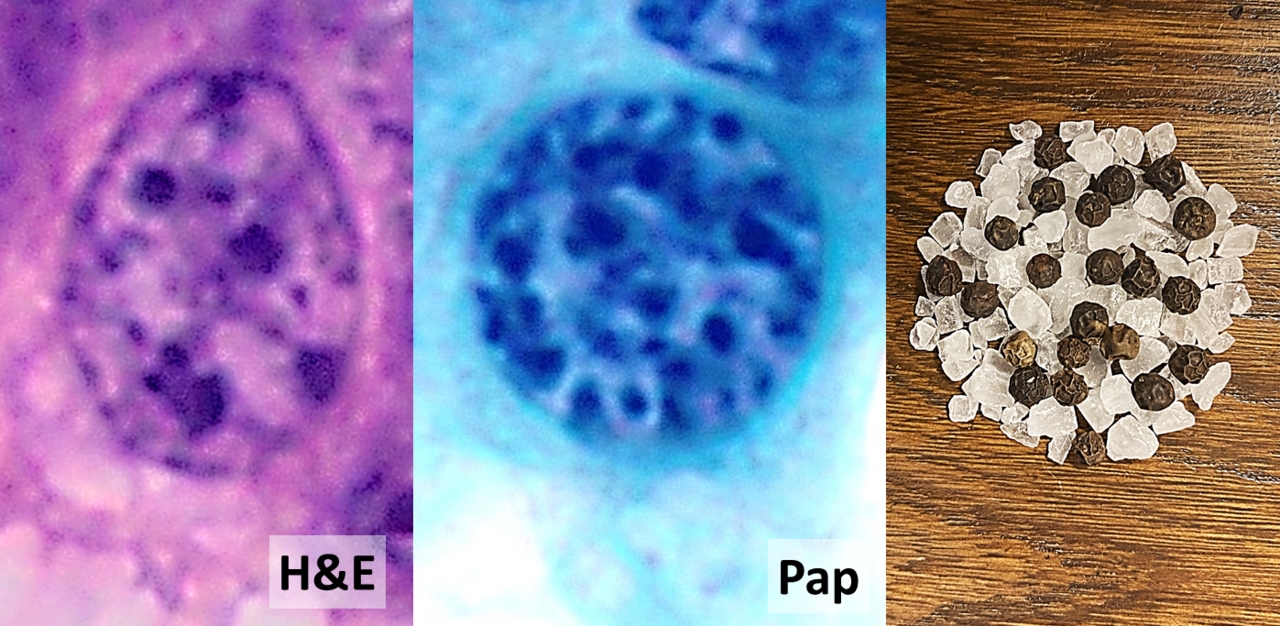
Neuroendocrine tumors (NETs) are a group of growths that originate from neuroendocrine cells, a type of cell that receives nervous signals and releases hormones into the bloodstream. NETs range from slow‑growing, indolent lesions to aggressive cancers. They are most frequently found in the gastrointestinal tract (where some are called carcinoid tumors), the pancreas and the lungs, but can occur in many organs.
Image gallery
8 Images




Characteristics and types
NETs are classified by how well cells resemble normal tissue (differentiation) and by proliferation rate (grade). Well‑differentiated NETs tend to grow slowly; poorly differentiated forms behave more aggressively. Clinically, NETs are described as:
- Functioning — producing excess hormones that cause recognizable syndromes (for example, insulin secretion causing hypoglycemia or serotonin-related carcinoid syndrome).
- Nonfunctioning — not causing obvious hormonal symptoms and often detected later because of mass effect or incidental imaging findings.
Clinical presentation and diagnosis
Symptoms depend on location and hormone secretion. Typical complaints include abdominal pain, diarrhea, flushing, wheeze, weight loss, or signs related to hormone excess. Initial evaluation often uses blood and urine markers (such as chromogranin A and metabolites of specific hormones), cross-sectional imaging (CT or MRI) and functional imaging that targets somatostatin receptors. Tissue biopsy confirms the diagnosis and helps determine grade and stage.
Treatment and prognosis
Management is tailored to tumor type, grade and spread. Localized NETs are often treated surgically. Medical options include somatostatin analogs to control hormone-related symptoms and slow growth, targeted therapies, peptide receptor radionuclide therapy and systemic chemotherapy for high‑grade disease. Prognosis varies widely: many well‑differentiated NETs have prolonged survival, while high‑grade tumors may act like conventional carcinomas.
History, importance and distinctions
The term "carcinoid" was introduced in the early 20th century to describe some gut NETs. Over time, classification systems evolved to emphasize biology (neuroendocrine neoplasm vs neuroendocrine tumor), grade and receptor status. NETs are uncommon but clinically important because of their diverse symptoms, specialized treatments and the need for multidisciplinary care. For general background on cell origin see neuroendocrine cells, for clinical guidelines consult diagnostic resources, for patient information see support and overview, and for specialized imaging or therapies review advanced treatment options.
Related articles
Author
AlegsaOnline.com Neuroendocrine tumor (NET) Leandro Alegsa
URL: https://en.alegsaonline.com/art/69354
Sources
- gut.bmj.com : "Guidelines for the management of gastroenteropancreatic neuroendocrine (including carcinoid) tumours"
- doi.org : 10.1136/gut.2004.053314
- ncbi.nlm.nih.gov : 1867801
- pubmed.ncbi.nlm.nih.gov : 15888809