
Network SouthEast: British Rail’s London and South East passenger sector
Network SouthEast was the British Rail sector focused on commuter and inter-urban services in London and South East England; known for a distinctive brand, livery and late-20th-century modernization efforts.
Network SouthEast (often abbreviated NSE) was the sector of British Rail responsible for most commuter and short-distance inter-urban passenger services in and around London and across South East England. Formed during British Rail’s sectorisation era, the identity was intended to concentrate management, marketing and investment on densely-trafficked routes that feed the capital.
Image gallery
10 Images

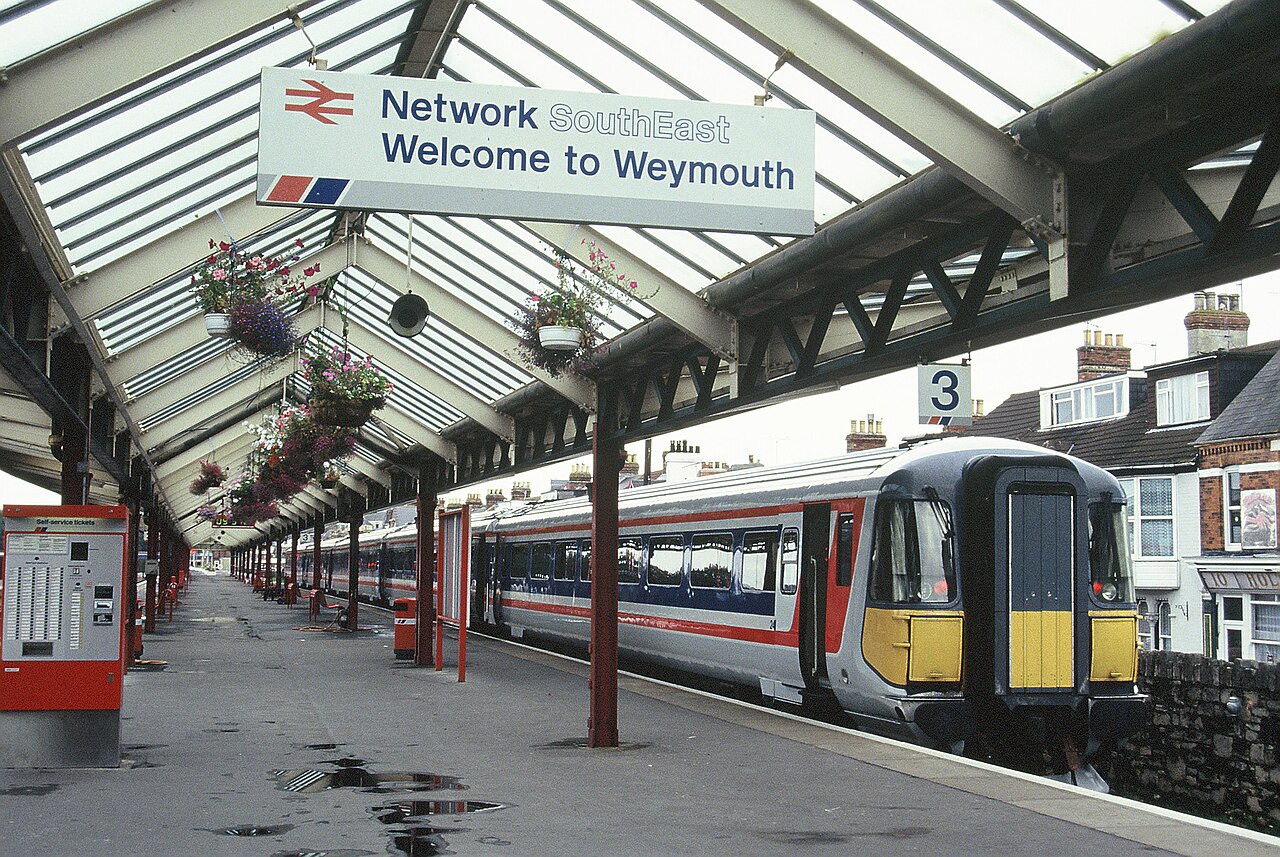


Overview and purpose
NSE combined suburban, metropolitan and some longer commuter routes under a single banner to improve reliability, simplify timetabling and create a recognisable public face for services into and out of London. The sector emphasised peak commuter flows, short-distance travel and frequent stopping patterns typical of one of Europe’s busiest rail catchments.
Characteristics and operations
The Network SouthEast brand is remembered for its bold coloured livery, prominent logo and coordinated station signage. Operational priorities included intensive weekday services, rolling stock refurbishment and a focus on punctuality for short-turnaround journeys. The sector managed a mix of electric and diesel multiple units and organized services around major London termini and suburban hubs.
History and development
During the 1980s British Rail restructured into business-led sectors; the region that would become Network SouthEast had previously been referred to as London & South Eastern. Through the later 1980s and early 1990s the NSE identity was rolled out across trains and stations as part of an effort to modernise the passenger image of the national operator. Investment programmes updated carriages, introduced new interior standards and sought to make services more passenger-focused.
Impact, examples and legacy
Network SouthEast helped standardise customer information, timetabling and branding across many commuter routes, making services easier for passengers to recognise. Its approach influenced later operators after the privatisation of British Rail in the 1990s; many aspects of route-focused management, station branding and peak-centric planning continued under successor train operating companies. The NSE identity remains familiar to rail enthusiasts and the travelling public alike as an emblem of late 20th-century rail modernisation in the South East.
Notable features
- Distinctive red, white and blue livery and logo for trains and stations.
- Concentration on high-frequency commuter flows to and from London.
- Policy emphasis on refurbishing existing rolling stock and improving customer information.
- Its organisational model helped shape post-privatisation franchise boundaries and practices.
For historical and technical details—service maps, fleet lists and timetables—see specialised rail history sources and archives that document the sector’s role within British Rail and its transition into the privately operated networks that followed.
Related articles
Author
AlegsaOnline.com Network SouthEast: British Rail’s London and South East passenger sector Leandro Alegsa
URL: https://en.alegsaonline.com/art/69287