
New York City Subway
A comprehensive overview of the New York City Subway: network, history, operations, stations, modernization efforts and cultural significance, operated by the MTA and serving all five boroughs.
The New York City Subway is a large rapid transit system serving the five boroughs of New York City in the United States. Operated by the Metropolitan Transportation Authority (MTA), it is notable for its continuous, round‑the‑clock operation and for linking dense residential neighborhoods, major business districts and cultural institutions across the metropolis.
Image gallery
10 Images


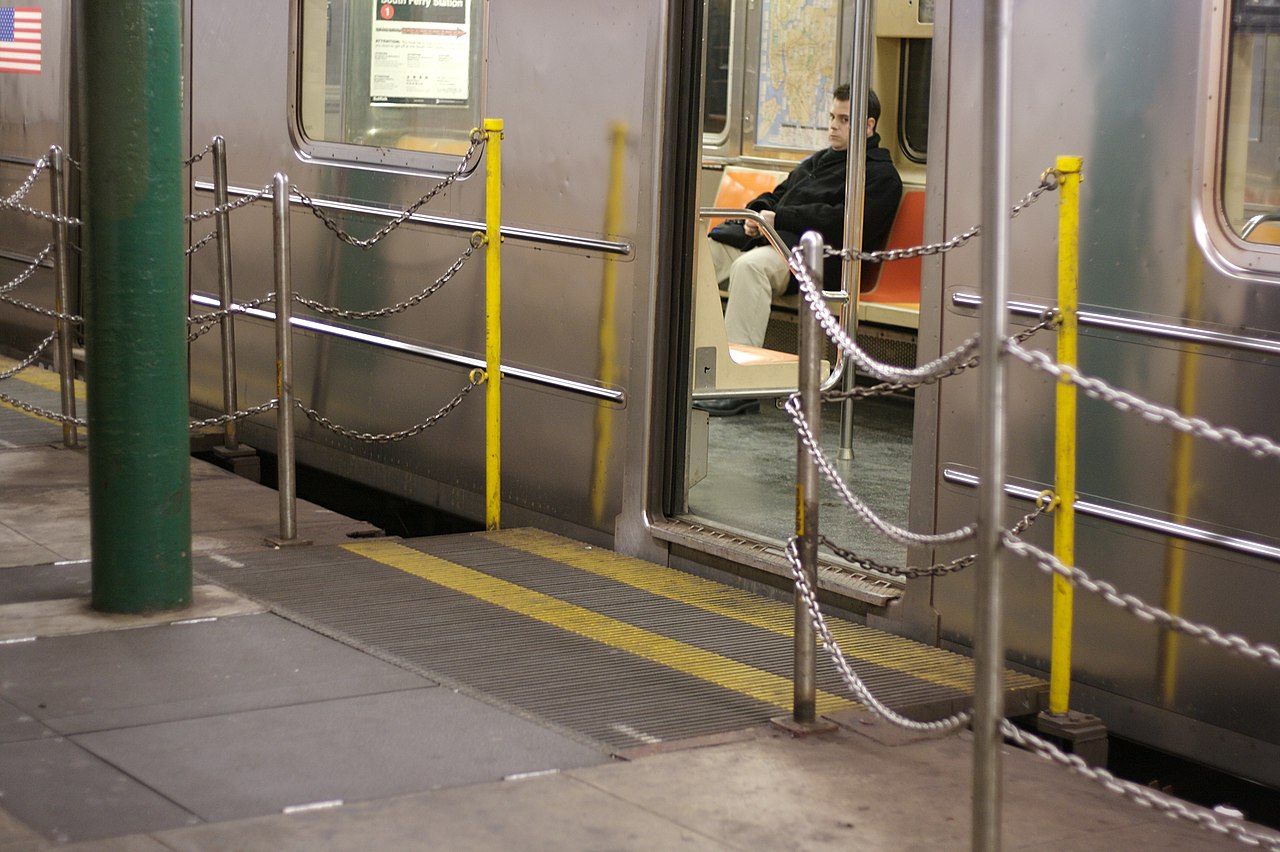


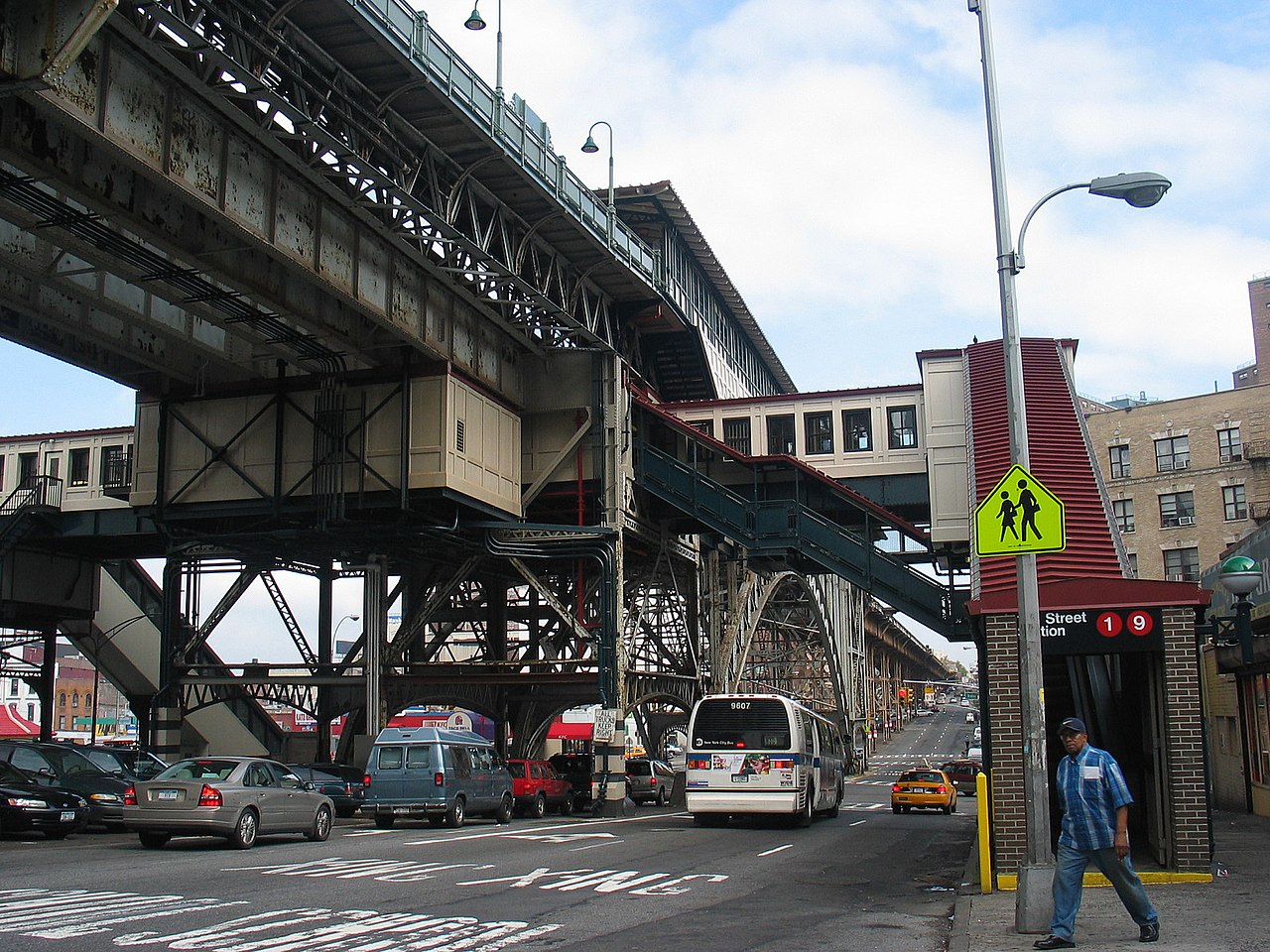
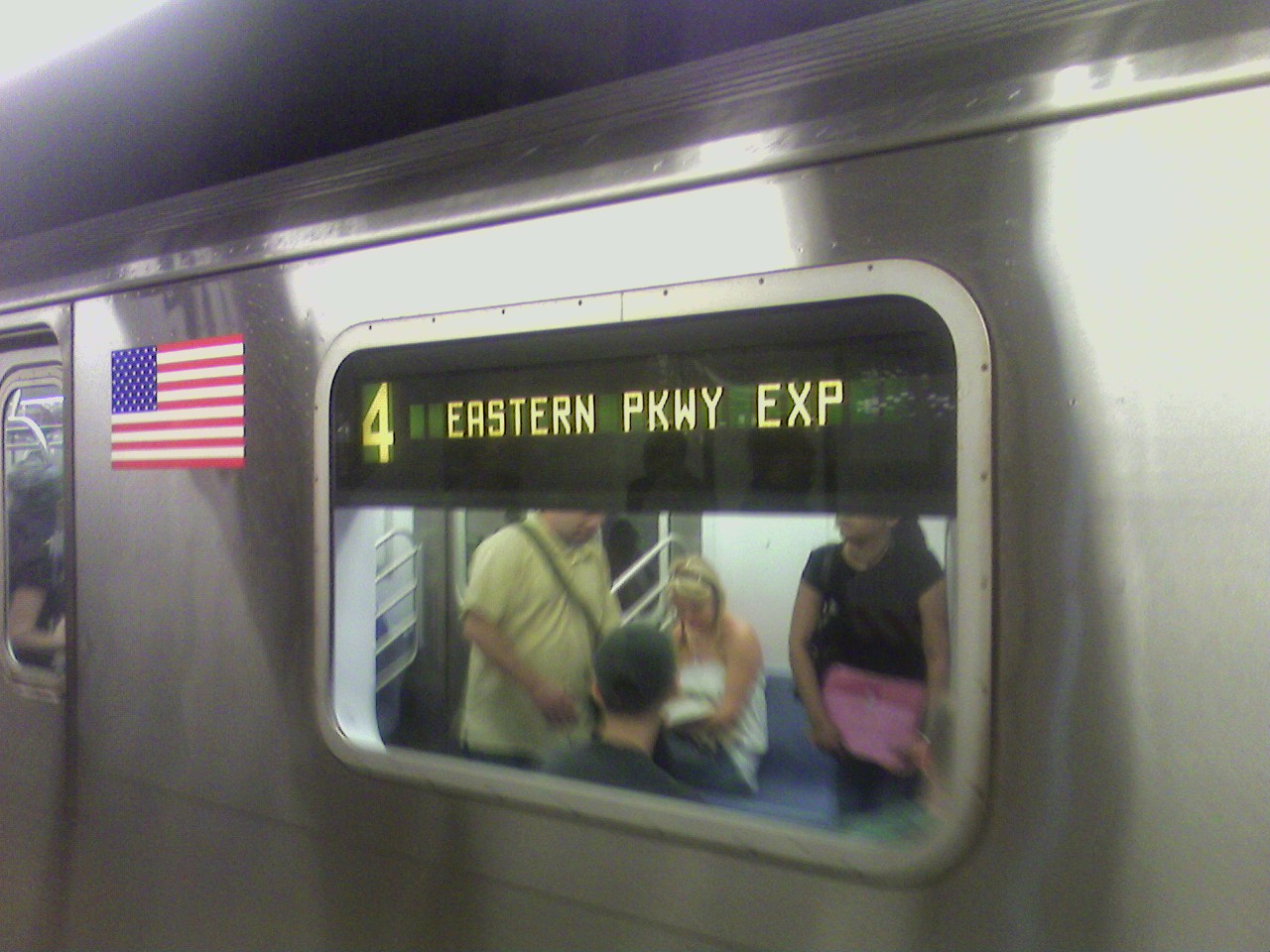
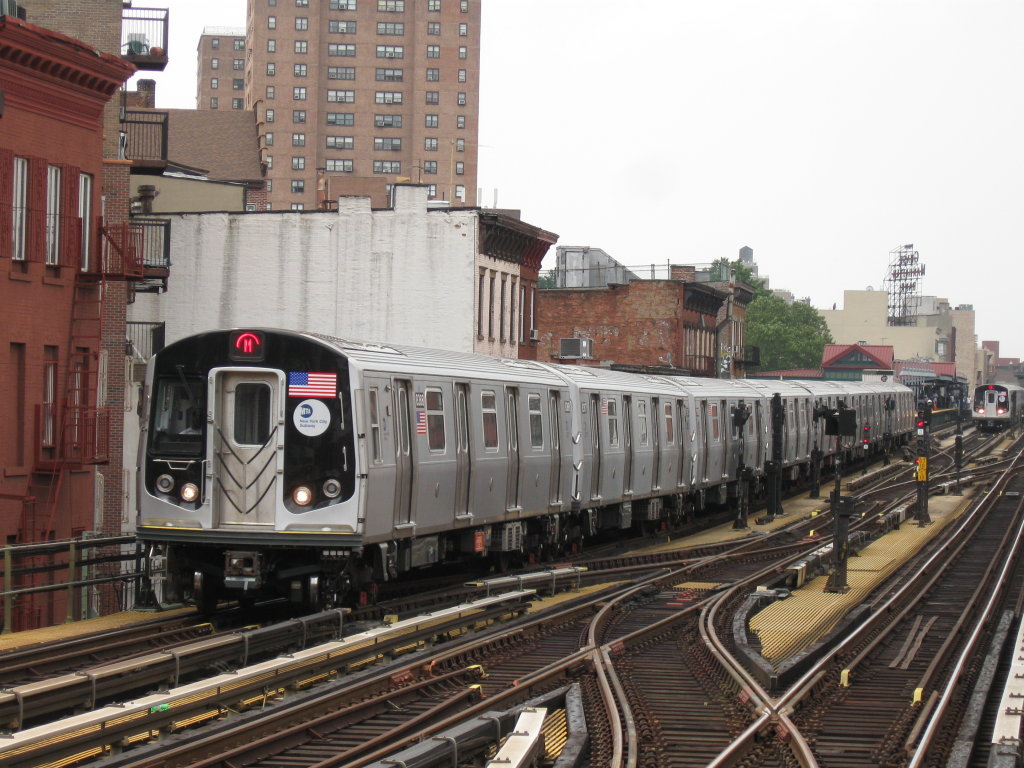
Overview and statistics
The system is often described as one of the largest in the world and is characterized by a combination of underground, elevated and at‑grade lines. Commonly cited figures note roughly 472 stations, about 245 miles of route (around 394 km) and an extensive multi‑track network that totals hundreds of miles of track when all rails and yards are included (track network). Trains operate 24 hours a day, seven days a week, which distinguishes the subway from many other major metropolitan systems.
History and development
The subway evolved from nineteenth‑century elevated railways into a largely subterranean rapid transit system. Elevated services began in the 1860s, with the earliest elevated trains entering service on October 9, 1863, and the first underground subway lines opening in 1904. Over the twentieth century the network expanded through construction, consolidation and periodic modernization programs. Complete system shutdowns are very rare; notable citywide impacts occurred after the September 11 attacks and when tracks and tunnels were flooded by Hurricane Sandy, events that led to major repair and resiliency efforts.
Operations, rolling stock and service patterns
Services are identified by numbers and letters and are organized around several trunk lines that run through Manhattan, branching into the outer boroughs. The fleet includes multiple generations of subway cars; the MTA manages maintenance, refurbishment and replacement programs. In recent years, signal modernization programs and the phased introduction of communications‑based train control (CBTC) on selected lines have been priorities to increase capacity and reliability. Fare collection has also evolved, with the system moving toward contactless and account‑based payment options under MTA modernization plans.
Stations, accessibility and infrastructure
Stations range from simple local stops to major terminals with significant architectural elements and public art installations. Many stations provide intermodal connections to commuter rail, surface buses and ferries. Accessibility improvements, including elevator installation and platform modifications, have been a sustained focus to meet legal and practical needs for passengers with disabilities. The system also requires continuous maintenance of tunnels, signals, power systems and rolling stock to keep service running.
Importance, challenges and cultural role
The subway is central to daily life and the economy of New York City, supporting commuting, tourism and 24‑hour activity. Challenges include aging infrastructure, funding and the logistical difficulty of performing upgrades while maintaining service. Resilience against severe weather and rising water levels remains an ongoing concern. The system is prominent in popular culture—appearing in film, literature, music and visual art—and continues to be the subject of study and public debate regarding transportation policy and urban planning.
- Continuous operation: 24/7 service every day of the year.
- Scale: Hundreds of stations and extensive multi‑track infrastructure.
- Origins: Elevated lines in the 1860s; first underground subway in 1904.
- Modernization: Signal upgrades (CBTC), contactless fares and accessibility projects.
Questions and answers
Q: What is the New York City Subway?
A: The New York City Subway is a rapid transit system located in New York City, United States. It is run by the Metropolitan Transportation Authority (MTA).
Q: How many stations does it have?
A: The New York City Subway has 472 stations.
Q: How much railway track does it cover?
A: The New York City Subway covers 691 miles (or 1112 km) of railway track.
Q: Does the subway ever close?
A: No, the New York City Subway almost never closes; the trains run 24 hours a day, 7 days a week, all year. The system has only closed three times, most notably during the September 11 attacks and when Hurricane Sandy flooded its tracks.
Q: When did elevated trains start working on this system?
A: Elevated trains started working on October 9, 1863.
Q: When did underground trains start working on this system?
A: Underground trains started working on October 27, 1904.
Related articles
Author
AlegsaOnline.com New York City Subway Leandro Alegsa
URL: https://en.alegsaonline.com/art/69651
Sources
- mta.info : MTA Subway Fast Facts
- mta.info : mta.info
- nycsubway.org : "The Pneumatic Tunnel Under Broadway (1870)" · web.archive.org
- nycsubway.org : "History of the Independent Subway"
- nycsubway.org : The New York Transit Authority in the 1970s
- nycsubway.org : The New York Transit Authority in the 1980s
- query.nytimes.com : "Tunnel Vision; With Station's Reopening, Even Commuters Smile"
- brianabbott.net : Brian Abbott. September 11: Three Years Later.
- web.mta.info : "mta.info: Superstorm Sandy Timeline"
- query.nytimes.com : "Tunnel Vision; The Light at the Top of the Subway Stairs"
- nytimes.com : "No Heel Hazards (or Gusts) as Subway Expands"
- nydailynews.com : "Cooler Subways Coming – Eventually"
- web.mta.info : "MTA Guide to Accessible Transit"
- web.mta.info : MTA's Arts for Transit's Music Under New York (MUNY) Section