
Neoclassicism in Music
A 20th-century tendency that revived and reshaped classical forms, balance, and clarity in composition; prominent between the world wars and influential across Europe and beyond.
Neoclassicism in music refers to a tendency among twentieth-century composers to re-engage with the formal ideals and aesthetic values associated with earlier classical periods. Rather than copying past styles, neoclassical works adapt forms, textures, and principles such as clarity, restraint, and formal balance to a modern language. The movement is most often identified with the decades around and between the two World Wars; for a concise reference to that timeframe see the interwar years.
Image gallery
1 Image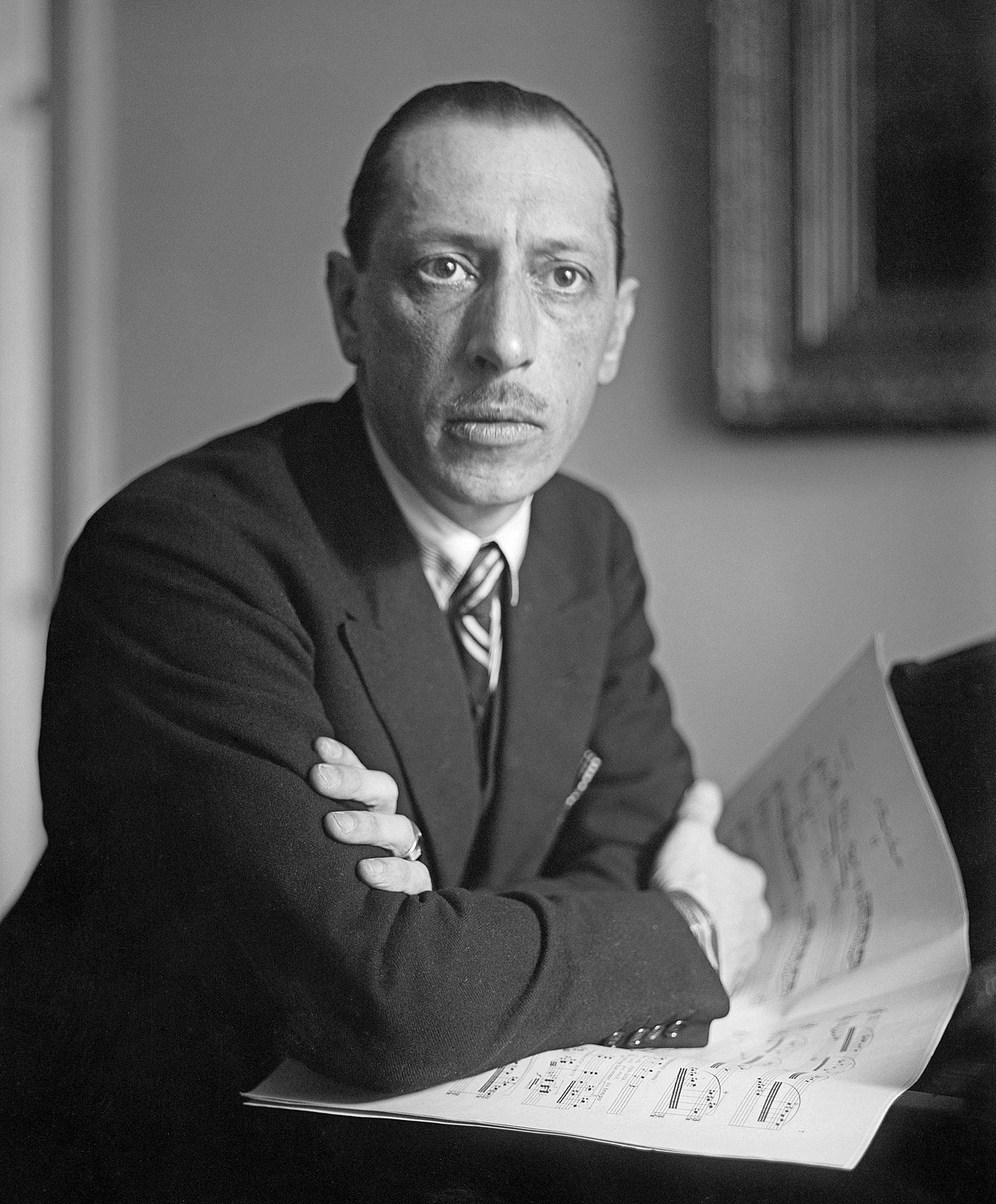
Core characteristics
- Return to older forms: renewed use of suites, sonata forms, concertos, and fugues, often in condensed or reinterpreted shapes.
- Formal clarity and balance: emphasis on clear lines and textures rather than Romantic excess—an aesthetic sometimes summarized as order and balance.
- Economy of means: concise thematic development and reduced orchestral padding, linked to a modern sense of economy.
- Modern harmony and rhythm: tonality is often retained but colored by dissonance, modal inflections, or novel rhythmic patterns.
- Objective expression: preference for impersonal, craft-focused expression over overt sentimentalism.
The label covers a range of practices rather than a single doctrine. Many composers who used neoclassical devices did not call themselves "neoclassicists" and combined these traits with other techniques. Compositional intent varied: some sought a refuge from late-Romantic subjectivity, others aimed to reconcile tradition with modernity.
Historical development and national tendencies
Neoclassical currents grew from reactions to late 19th-century Romanticism and Impressionism, and from the social and cultural upheavals of World War I. Composers across Europe and beyond experimented with renewed forms and clearer textures. Scholars sometimes distinguish different national tendencies when tracing the style: a broadly national thread identifies a French strand that favored elegance, clarity of color and wit, and a German (and central European) line where contrapuntal craft and contrapuntal rigor played a larger role.
Notable composers and works
- Igor Stravinsky—whose works from the 1920s, such as Pulcinella, are central to discussions of neoclassicism.
- Sergei Prokofiev—his Classical Symphony is a clear, playful rework of classical balance and form.
- Paul Hindemith, Maurice Ravel, and members of Les Six and other contemporaries—each used neoclassical ideas in different ways.
- Many lesser-known composers drew selectively on these resources for chamber music, ballet, and film scores.
The movement influenced both concert music and the broader sound world: its emphasis on transparent textures and clear formal outlines affected pedagogy, orchestration practice, and the way twentieth-century audiences perceived tradition. Neoclassicism never formed a rigid school; instead, it provided a set of alternatives and tools that composers returned to for expressive and structural reasons.
For further context on composers who participated in or reacted to these trends, see discussions of twentieth-century composition and surveys of modern musical aesthetics at composers' studies and broader music history resources (economy of style, historical period). Additional readings on national distinctions and stylistic examples are available through curated bibliographies and essays on the subject (French approaches, German approaches, comparative studies).
Related articles
Author
AlegsaOnline.com Neoclassicism in Music Leandro Alegsa
URL: https://en.alegsaonline.com/art/69132