
Neo soul: origins, characteristics, artists, and influence
Neo soul is a contemporary music style blending classic soul with R&B, hip hop and jazz influences. It emerged in the 1990s, emphasizing organic sound, expressive vocals and songwriting.
Neo soul is a contemporary musical style that revives and reinterprets the aesthetics of classic soul by combining elements of rhythm and blues, jazz, funk and hip hop. The name itself refers to a renewed or "neo" approach to soul traditions, prioritizing emotive vocal delivery, intimate songwriting, and often more organic instrumentation than mainstream pop R&B. The term is frequently used in music writing to describe a wide range of artists and records that draw on these roots; see more on the idea of genre and stylistic classification.
Image gallery
7 Images


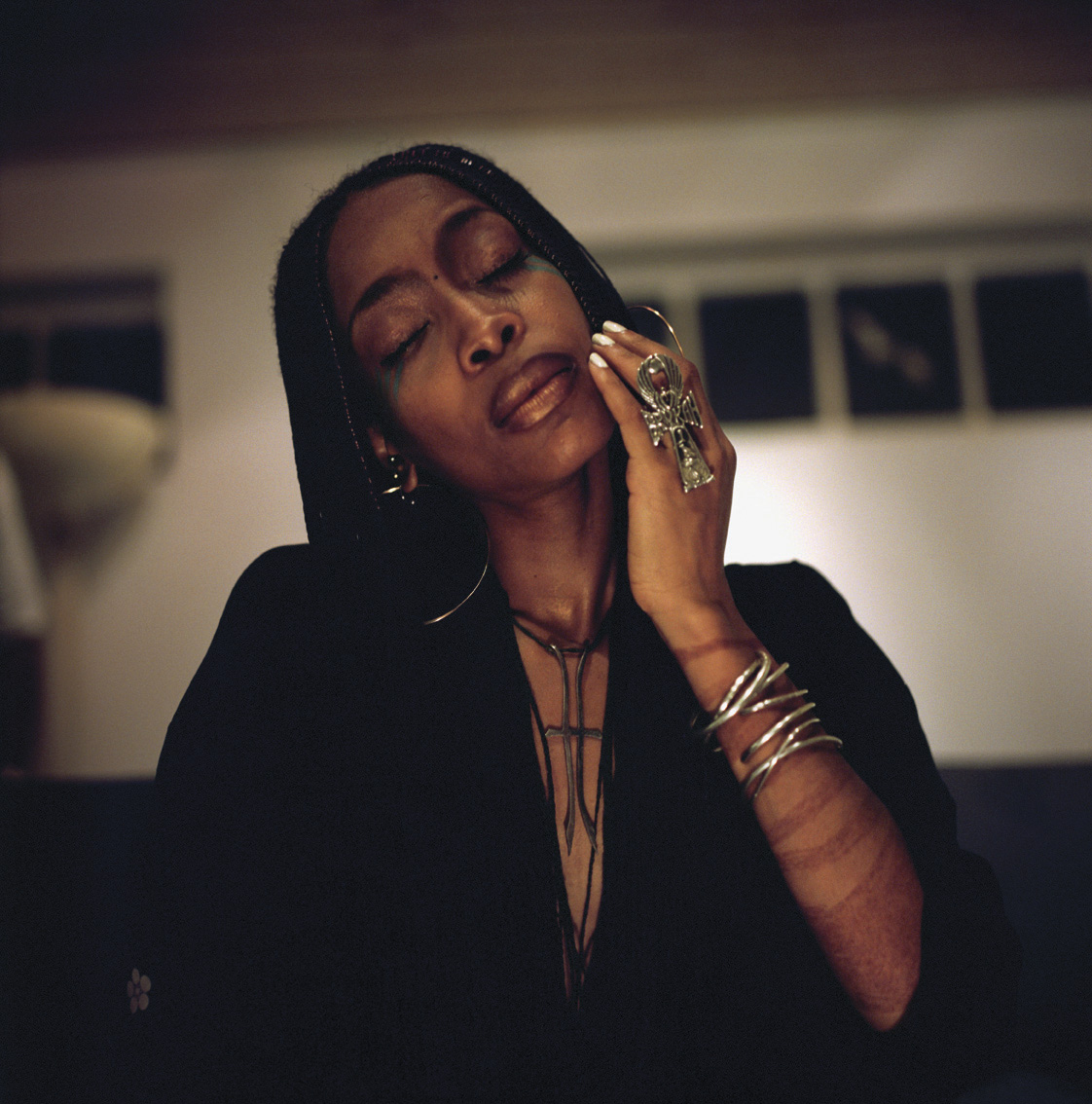


Characteristics
Neo soul tends to emphasize musical warmth and textural depth. Common features include:
- Live or vintage-sounding instrumentation—electric pianos, horns, guitar and live drums—rather than heavily synthesized arrangements.
- An emphasis on songwriting, lyrical introspection and emotional nuance rather than purely dance-oriented tracks.
- Rhythmic and production influences borrowed from hip hop and contemporary music, often creating a hybrid sound that sits between genres.
- Vocal approaches that reference classic soul phrasing and gospel inflection, but with modern phrasing and sensibilities.
- Occasional incorporation of jazz harmonies and alternative song structures.
History and development
The movement is most associated with a late-1990s resurgence that sought to reclaim the expressive depth of 1960s and 1970s soul while updating it for modern audiences. Producers and label executives popularized the phrase to market a cluster of artists whose work looked backwards stylistically while also speaking to contemporary topics. Neo soul traces its lineage to traditional soul music and to later hybrid forms such as hip hop soul and other R&B offshoots. Critics and musicians have sometimes debated whether the label describes a coherent genre or a loose set of shared influences.
Notable artists and albums
Early and influential figures often cited as central to neo soul include D'Angelo, Erykah Badu, Maxwell and Lauryn Hill, whose records combined retro timbres with contemporary production. Subsequent artists who draw on the neo-soul palette or have been associated with it include alternative hip hop collaborators and performers who blur genre lines. Contemporary singers sometimes connected to the neo-soul tradition—through tone, approach, or influence—include Beyoncé, Frank Ocean and Adele, while others such as Miguel show how the style has continued to inform modern R&B.
Influence, reception and distinctions
Neo soul has been praised for bringing a renewed focus on musicianship, album-oriented artistry and lyrical substance to mainstream R&B. It also drew criticism from some quarters as a marketing label imposed by industry figures, and for a perceived nostalgia that could limit experimentation. Distinct from both classic soul and glossy, chart-driven contemporary R&B, neo soul is best understood as a spectrum: some recordings lean heavily on retro sounds and grooves, while others use those references as a springboard for innovation.
Today, the legacy of neo soul is visible in artists who prioritize organic soundscapes, intimate vocal performances and cross-genre exploration. Its influence extends into alternative R&B, indie soul scenes and the work of singer-songwriters who cite its emphasis on authenticity and feel as central to their music-making approach.
Related articles
Author
AlegsaOnline.com Neo soul: origins, characteristics, artists, and influence Leandro Alegsa
URL: https://en.alegsaonline.com/art/69128