
Alternative hip hop: origins, style, and notable artists
Alternative hip hop is a branch of hip hop defined by eclectic production, experimental influences, and socially conscious or unconventional lyrics distinct from mainstream subgenres.
Overview
Alternative hip hop is a broad strand of hip hop music that emphasizes experimentation, diverse influences and lyrical themes that often diverge from mainstream trends. It sits alongside other branches of hip hop rather than replacing them, offering an approach that can be political, poetic, humorous or sonically adventurous. For context on the wider genre, see hip hop.
Image gallery
4 Images

Characteristics
Musically, alternative hip hop borrows from jazz, funk, soul, rock and electronic music. Producers and artists frequently use unconventional samples, live instrumentation, atypical song structures and textured soundscapes. Lyrically it tends toward social commentary, introspection, storytelling and playful wordplay rather than focusing on the themes common in associated styles such as gangsta rap, crunk or the commercial rhythms of snap. It also overlaps with conscious hip hop and jazz rap and sometimes attracts listeners who also explore darker subgenres like horrorcore, even while differing from mainstream R&B conventions.
History and development
Alternative hip hop developed in the late 1980s and 1990s as artists and groups reacted to the commercialization and stylistic dominance of gangsta rap. Roots in the United States are evident in early innovators and underground scenes that prioritized eclectic production and varied subject matter. While the movement is rooted in the United States, it has international branches: for example, the virtual band Gorillaz emerged in the United Kingdom and blended hip hop with alternative rock and electronic styles.
Notable artists and examples
Several artists and groups are frequently associated with alternative hip hop for their influence and distinct approaches. Examples include:
- Mos Def (Yasiin Bey) — known for lyricism and socially conscious material.
- Common — a rapper whose work blends poetry, soul and jazz influences.
- Nas — while a mainstream figure, certain albums expanded hip hop storytelling and production experimentation.
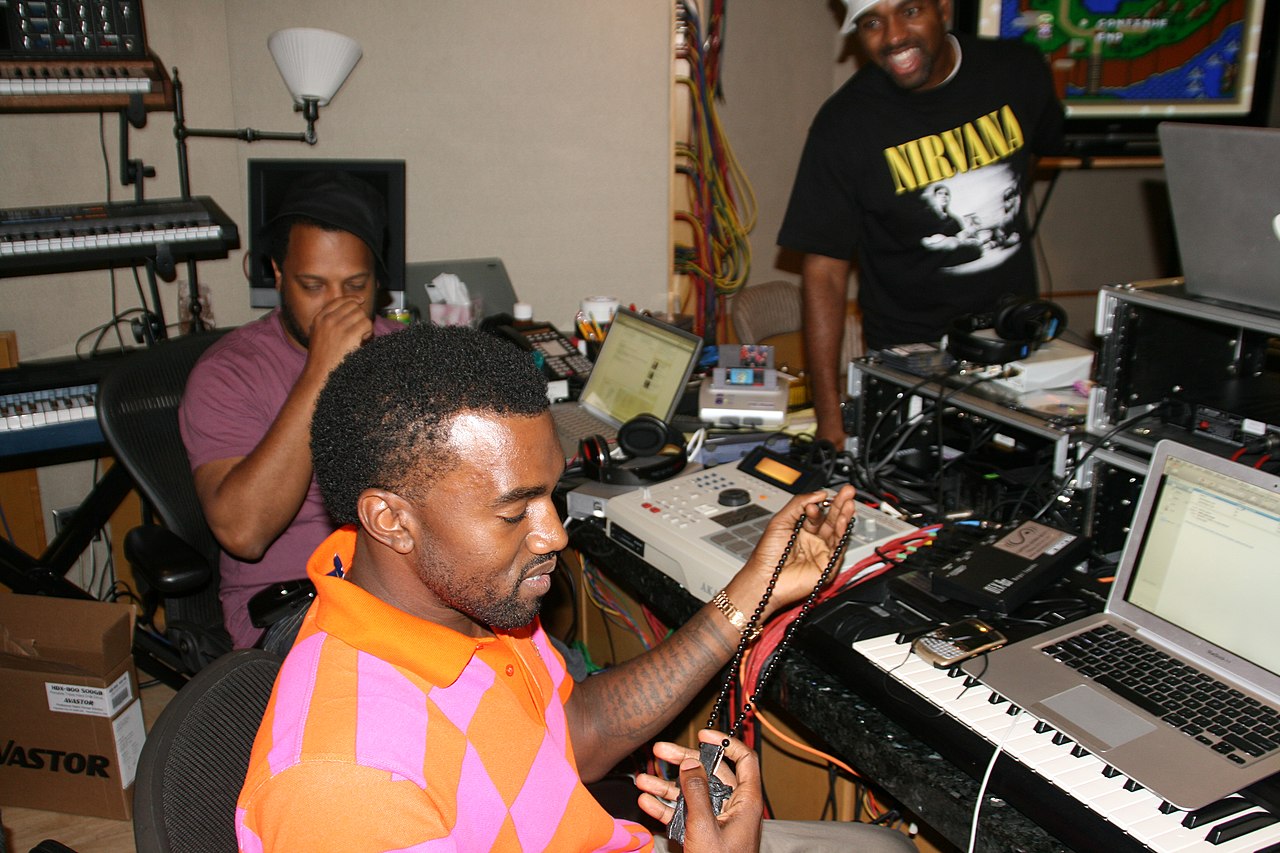
- Kanye West — early production and later albums pushed genre boundaries and popularized eclectic sampling.
- A Tribe Called Quest — pioneers of jazz-inflected rap and alternative sensibilities.
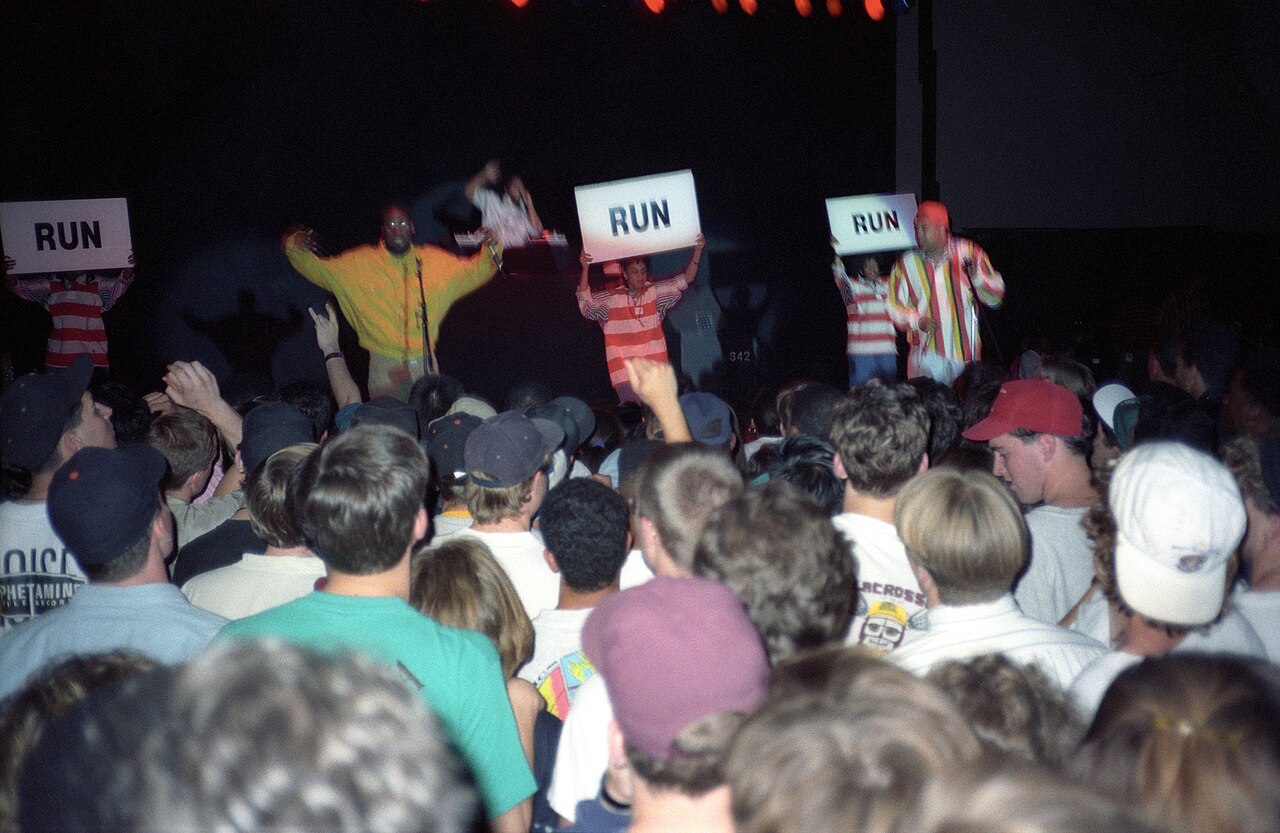
- Other influential acts include De La Soul, The Roots, OutKast, Jurassic 5 and many underground collectives who emphasized artistry over formula.
Legacy, distinctions and cultural importance
Alternative hip hop expanded what hip hop could sound like and what it could address. Its influence appears in modern artists who mix genres, craft concept albums, or foreground unconventional production techniques. The label "alternative" is flexible: some artists move between mainstream and alternative modes over their careers. Distinctions from other subgenres are stylistic and thematic rather than absolute — the same artist can produce both radio hits and experimental tracks.
To explore further reading or artist catalogs, follow related resources and databases that document subgenres, histories and discographies. For introductory context see general overviews and artist pages linked above.
Related articles
Author
AlegsaOnline.com Alternative hip hop: origins, style, and notable artists Leandro Alegsa
URL: https://en.alegsaonline.com/art/3058