
Nefertem: Egyptian god of the lotus, beauty, and healing
Nefertem, an ancient Egyptian deity associated with the lotus, perfume, healing and rebirth, formed part of Memphis's divine family and symbolized early morning renewal and fragrant beauty.
Nefertem was an ancient Egyptian god closely linked with the lotus flower, fragrance, and the ideas of renewal and beauty. Often presented as a youthful figure crowned with a lotus bloom, he embodied the plant's associations with the dawn, rebirth and the pleasant scents used in Egyptian ritual and medicine. For a general overview of his identity see deity accounts and cultural context in ancient Egyptian life.
Image gallery
5 Images


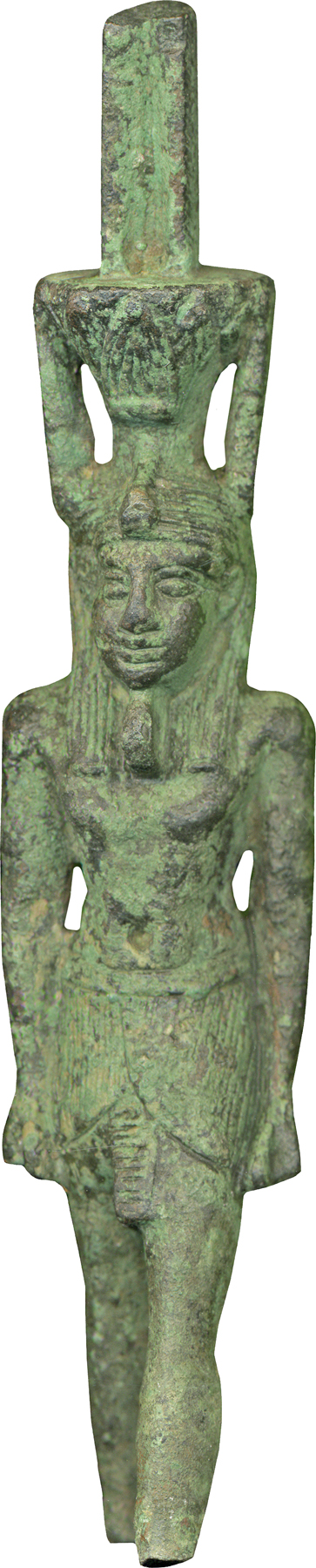
Attributes and iconography
Nefertem is typically shown as a young man wearing a lotus blossom on his head or emerging from a lotus. The blue lotus, prized for its fragrance and symbolic links to rebirth, is central to his image. He is also associated with aromatic oils and healing preparations, reflecting the importance of scent in worship and daily practice. For visual and botanical connections consult sources on the lotus and on healing traditions.
Myth, family and role
In creation accounts Nefertem is described as a lotus at the moment of first emergence, symbolizing life and the rising sun; these themes appear in several creation myths. He is usually named as a son of the craftsman god Ptah and the lioness or cat goddess Sekhmet, and in some traditions he is linked with Bastet as part of family groupings. His parentage reflects a balance between creative power, protective ferocity, and gentle renewal.
Worship and cultural importance
Nefertem had cult activity in Memphis and other centers where his association with fragrance and healing made him relevant to both temple ritual and everyday remedies. Priests used perfumed oils and lotus extracts in ceremonies; images of Nefertem could appear in funerary contexts to suggest regeneration and a fragrant rebirth. Scholars discuss both his religious functions and practical ties to perfumery and medicine.
Notable distinctions
- Nefertem as a symbol of the morning sun and rebirth differs from solar gods by emphasizing fragrance and the lotus.
- He is a conciliatory figure in triads where Ptah and Sekhmet represent opposing forces and Nefertem represents renewal and harmony.
- His botanical association connects religious symbolism with practical uses of plants in ancient Egypt.
For focused studies on beauty and ritual see writings linked to beauty studies, and for historical and archaeological perspectives consult general references on Egyptian religion at deity accounts and material culture guides at ancient Egyptian life. Further reading and databases: creation narratives, botanical sources, and studies of therapeutic plants and ritual scents at healing traditions.
If you are exploring iconography or family triads, see entries on Ptah and Sekhmet for how Nefertem fits into broader mythic patterns.
Related articles
Author
AlegsaOnline.com Nefertem: Egyptian god of the lotus, beauty, and healing Leandro Alegsa
URL: https://en.alegsaonline.com/art/69011