
Creation myth
A creation myth explains how the world, humans, and the cosmos began. These stories appear across cultures and religions, offering origins, meaning, social order, and symbolic frameworks.
Overview
A creation myth (or creation story) is a traditional narrative that explains how the world, the heavens, living beings and human society began. Many societies embed these accounts within their religious or cultural systems and they often coexist with practical knowledge about nature. A creation myth can be a concise explanation, an extended epic, or part of a ritual tradition; the purpose is to give origins meaning rather than to serve as a scientific description.
Image gallery
9 Images
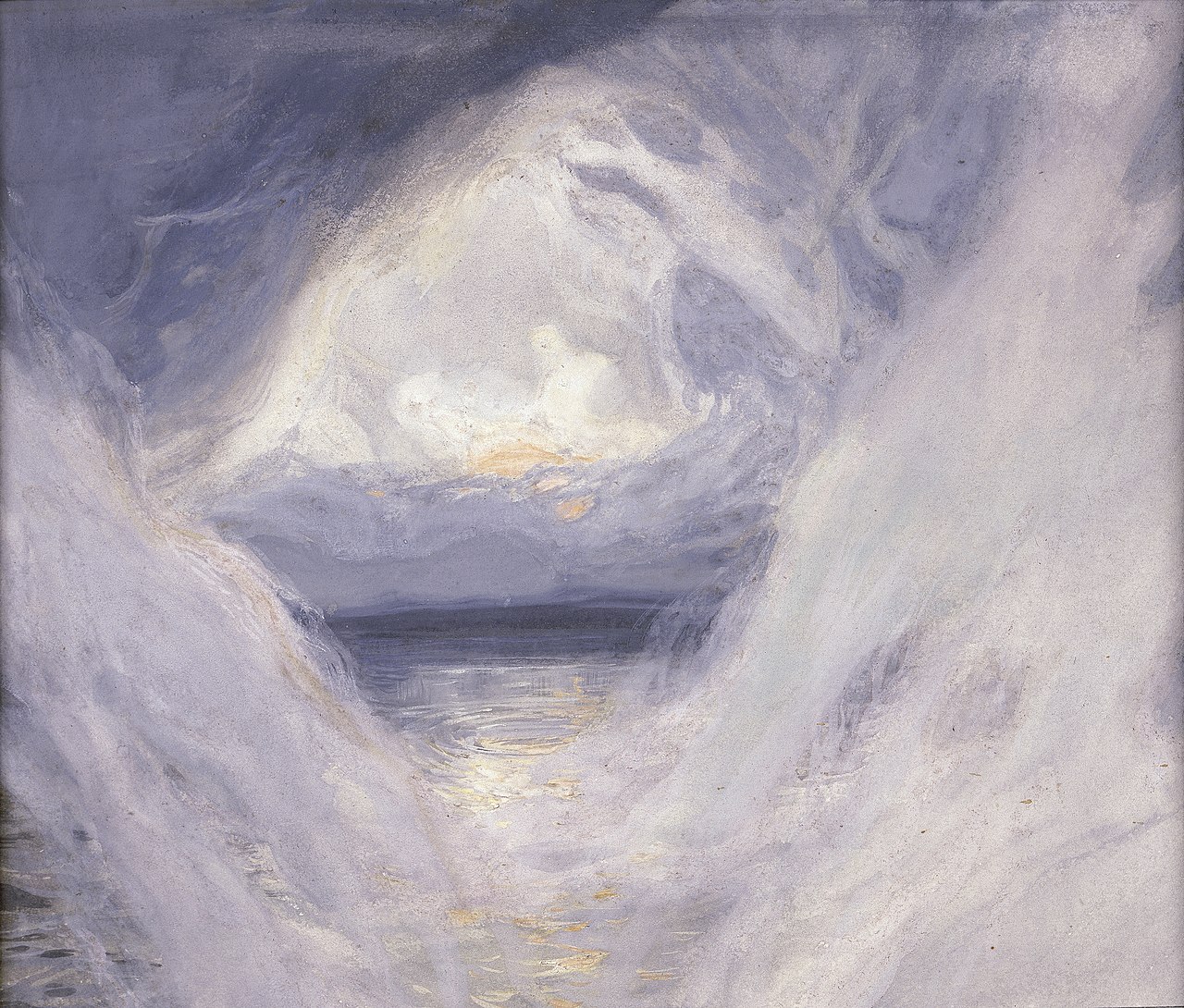


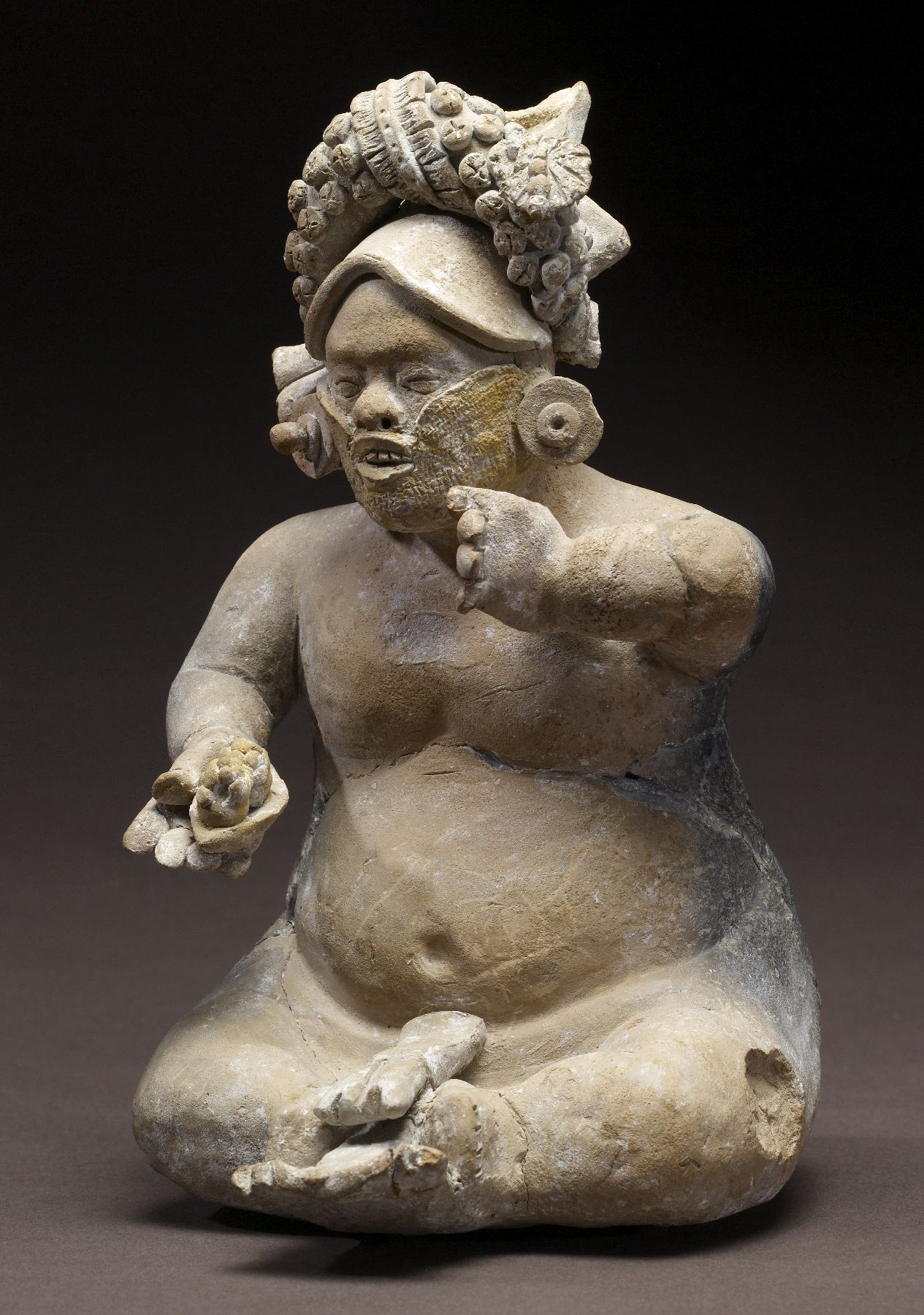
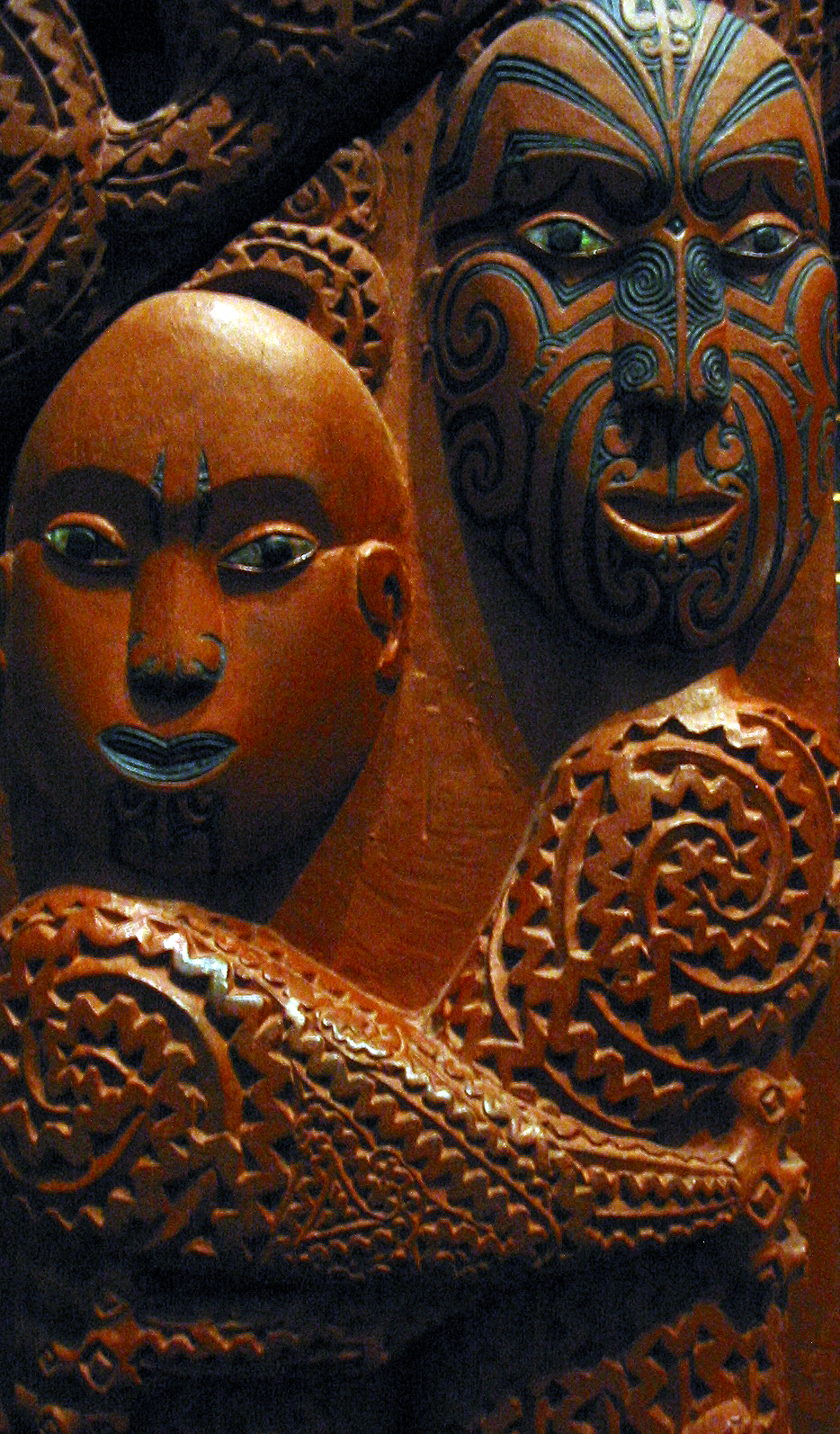

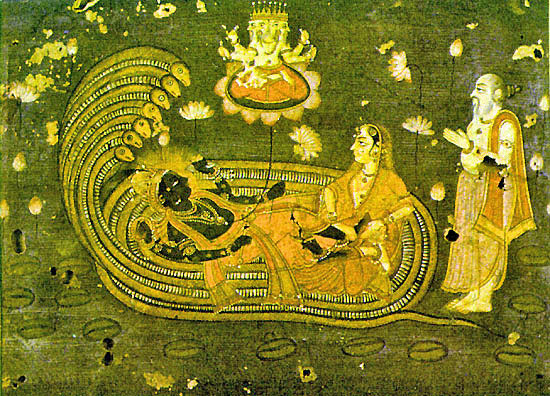

Common characteristics and motifs
Although details vary widely, certain patterns recur across cultures. Common motifs include creation from chaos or primordial waters, a world egg or cosmic womb, creation by a supreme being or committee of deities, emergence from a subterranean place, or human formation from clay or a sacrificed being. Such motifs appear in many distinct traditions and help people relate the natural order to moral, social and cosmological principles.
Forms and functions
Creation myths perform multiple social and psychological functions: they legitimize social institutions, explain natural phenomena, provide a shared past, and offer rituals a narrative context. They may present gods, spirits or ancestors as active creators; in some traditions humans are fashioned by a god or by a spirit, while other stories emphasize spontaneous emergence or biological descent. Scholars sometimes distinguish a creation myth from cosmogony (accounts of the universe's origin) and cosmology (broader systems of the universe).
Examples and cultural diversity
Creation stories are found on every inhabited continent. Texts and oral traditions from Mesopotamia, the Hebrew Bible, Hindu scriptures, indigenous American myths, West African and East Asian tales all include distinct origin narratives. Some are preserved in written form; others survive through song, ritual and performance. Each local version reflects a culture’s environment, values and historical experience.
Study and contemporary relevance
In modern study, creation myths are examined by historians, anthropologists, literary scholars and theologians who analyze their symbolism, social role and transmission. They continue to influence art, literature, education and identity. Even when communities adopt scientific explanations for natural origins, creation narratives often remain important for ethical, cultural and spiritual reasons.
- See also: creation myth (overview)
- Related topics: human origins in cultural stories
- Comparative resources: mythological traditions
- Further reading and archives: oral and spirit-based accounts and divine creator narratives
Questions and answers
Q: What does a creation myth explain?
A: A creation myth explains how the universe started, how the earth came to be, and why there are humans.
Q: Are creation myths part of religions and mythologies?
A: Yes, creation myths are usually part of religions and mythologies.
Q: Who or what are humans often said to be created by in creation myths?
A: Humans are often said to be created by a god, spirit, or other supreme being in creation myths.
Q: What is the purpose of a creation myth?
A: The purpose of a creation myth is to explain the origin of the universe, earth, and humanity.
Q: Do all religions and mythologies have a creation myth?
A: Not all religions and mythologies have a creation myth, but many do.
Q: Can creation myths vary in different religions and mythologies?
A: Yes, creation myths can vary in different religions and mythologies.
Q: How are creation myths different from scientific explanations for the origin of the universe and humanity?
A: Creation myths rely on supernatural explanations for the origin of the universe and humanity, while scientific explanations rely on evidence and natural phenomena.
Related articles
Author
AlegsaOnline.com Creation myth Leandro Alegsa
URL: https://en.alegsaonline.com/art/24048
Sources
- thejewishmuseum.org : painting from the collections
- tools.wmflabs.org : Genesis 1:3
- tools.wmflabs.org : Genesis 1:5
- tools.wmflabs.org : Genesis 1:6
- tools.wmflabs.org : Genesis 1:9–11
- tools.wmflabs.org : Genesis 1:14
- tools.wmflabs.org : Genesis 1:20–23
- tools.wmflabs.org : Genesis 1:24–31
- tools.wmflabs.org : Genesis 2:2
- doi.org : 10.1093/bjps/30.2.165 · archive.is
- findarticles.com : findarticles.com
- muslimphilosophy.com : "al-Razi, Fakhr al-Din (1149-1209)"