
Pamplona — capital of Navarre and home of the San Fermín festival
Pamplona, northern Spain's Navarre capital, is known for its medieval core, the San Fermín festival with the running of the bulls, historic architecture, and its role on regional routes and culture.
Pamplona is the administrative capital of the autonomous community of Navarre in northern Spain. Situated on a broad plain watered by the Arga River, the city combines a compact medieval old quarter with later 18th–20th century expansion. It serves as a regional centre for government, education and services and is widely known internationally for an annual summer festival.
Image gallery
10 Images


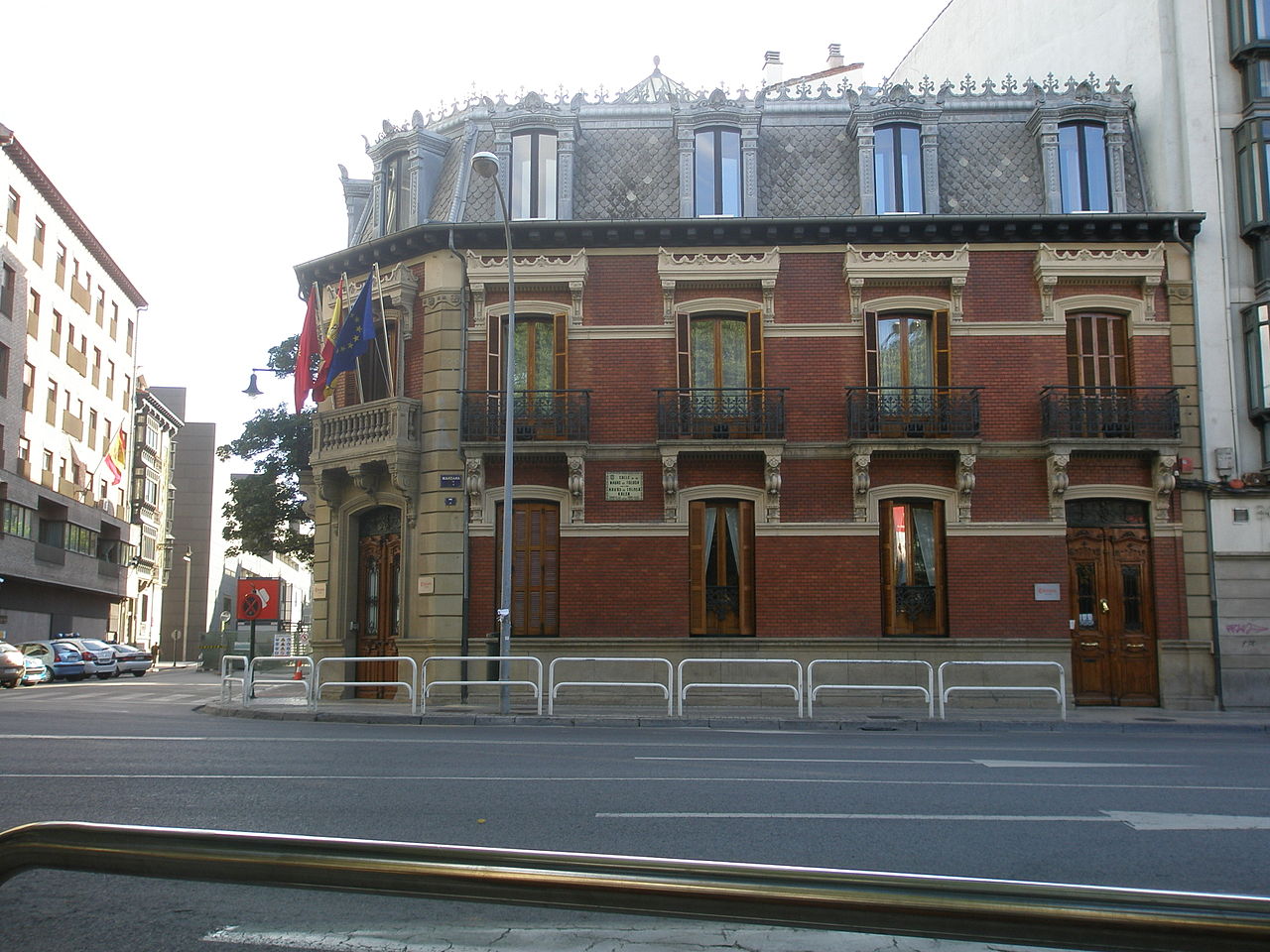
Origins and historical development
The origins of Pamplona reach back to antiquity. Founded by Roman forces as Pompaelo, the settlement later became an important urban centre in the medieval Kingdom of Navarre. Over the centuries it experienced military sieges, dynastic changes and urban renewal; many surviving landmarks reflect phases of Roman, medieval and early modern history. Pamplona was integrated into the Spanish state while retaining strong local institutions and cultural identity.
City character and main sights
Pamplona's layout contrasts a dense historic core—known as the Casco Antiguo or old quarter—with wider boulevards and parks around a star-shaped citadel. Notable monuments include the Gothic cathedral of Santa María, remnants of medieval walls, and the citadel and fortifications dating from the Renaissance and later periods.
- Cathedral and cloister: medieval art and archaeology.
- Plaza del Castillo: traditional meeting place and cafés.
- Citadel and city walls: promenades and public gardens.
- Museums and cultural centres that interpret local history and art.
San Fermín and cultural significance
Pamplona is globally associated with the San Fermín festival, held each year from July 6 to 14. The week includes religious ceremonies, music, traditional dances and the morning encierros — the running of the bulls — in which participants run ahead of bulls along a closed street course. The festival attracts international visitors, receives extensive media attention and has been the subject of debate over safety and animal welfare. For more on the celebration see San Fermín and on the encierro itself see the running description at the running of the bulls.
Economy, transport and contemporary life
Modern Pamplona combines public administration, education, health services and light industry with a growing tourism sector. It is connected by road and rail to other Spanish cities and lies on routes used by pilgrims and long-distance walkers. Local life blends Basque-Navarrese traditions with contemporary cultural events, markets and gastronomy.
Notable facts
Writers and artists have long been drawn to Pamplona; among the best-known literary associations is Ernest Hemingway, whose work helped popularize the city outside Spain. Today Pamplona balances the preservation of historic quarters with the demands of a modern regional capital, making it a distinctive urban centre in northern Spain.
Related articles
Author
AlegsaOnline.com Pamplona — capital of Navarre and home of the San Fermín festival Leandro Alegsa
URL: https://en.alegsaonline.com/art/74285