
Æthelbert of Wessex — mid-9th century West Saxon ruler
Æthelbert (Æthelberht), a mid-9th-century West Saxon prince, was sub-king in Kent and later ruled Wessex; his reign bridged the era before the major Viking invasions and shaped late Anglo-Saxon regional authority.
Æthelbert (also spelled Æthelberht; born c. 836, died 865 or 866) was a West Saxon prince and king who played a bridging role in the royal family of Wessex during the mid-9th century. He is normally identified as a younger son of King Æthelwulf and is remembered for serving first as a regional ruler in southeastern England and then as king of the West Saxons.
Image gallery
4 Images


Origins and family
Æthelbert belonged to the royal house of Wessex, which by his lifetime was consolidating control over southern England. As one of several sons of Æthelwulf, his career followed the custom of granting younger royal sons an appanage or subordinate kingship. Contemporary records are sparse, so many details of his life and exact birth year are known only approximately.
Sub-kingdom and accession
During the late 850s Æthelbert acted as a regional ruler in the southeastern kingdom historically known as Kent. In that role he governed local administration and justice under the overlordship of his family. After the death of his brother Æthelbald in 860 he became king of Wessex and, unlike some other successions, appears to have retained authority over the southern territories he had governed previously. This pattern reflected the flexible, familial nature of Anglo-Saxon kingship.
Reign and administration
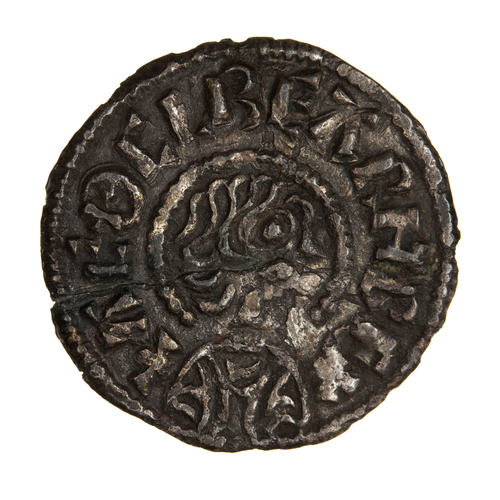
Æthelbert's reign (commonly given as 860–865) continued established royal practices: issuing charters, patronizing the church, and maintaining regional defense. Monarchs of his era also issued coinage and used land grants to secure loyalty, though surviving documentary evidence for individual acts is limited. His government preserved continuity in Wessex during a period before the most sustained Viking invasions to come.
Death, succession and historical significance
Æthelbert died in 865 (sometimes dated 866) and was succeeded by his younger brother Æthelred. His death preceded the arrival of the Great Heathen Army that would soon confront several English kingdoms. Historians view Æthelbert's rule as part of the processes by which Wessex developed the royal institutions and dynastic stability that later allowed it to resist Viking pressure.
Key points and distinctions
- West Saxon prince who held regional authority in the south.
- Served as sub-king of Kent before becoming senior king.
- Reigned as King of Wessex in the early 860s, a calm interlude before escalating Viking campaigns.
Because contemporary annals and charters are limited, many aspects of Æthelbert's life are summarized cautiously by scholars. His tenure illustrates the layered nature of Anglo-Saxon rulership, where brothers and kinsmen could rule complementary territories under a shared dynastic framework.
Related articles
Author
AlegsaOnline.com Æthelbert of Wessex — mid-9th century West Saxon ruler Leandro Alegsa
URL: https://en.alegsaonline.com/art/6917