
Ryūnosuke Akutagawa: Japanese short story writer and literary innovator
Ryūnosuke Akutagawa (1892–1927) was a Japanese short story writer known for psychological insight, modernist technique, and lasting influence on Japanese literature and emerging writers.
Overview
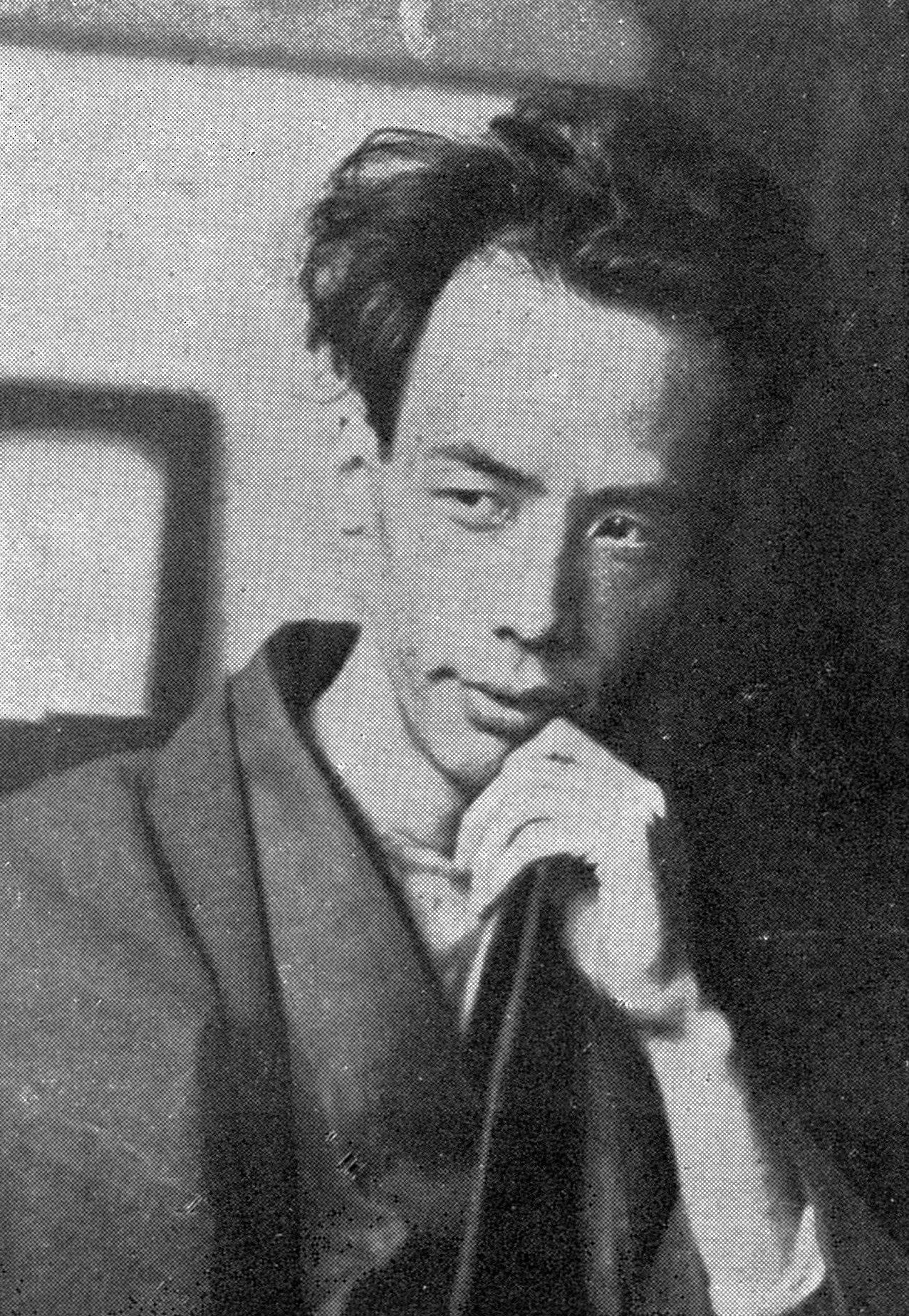
Ryūnosuke Akutagawa (1 March 1892 – 24 July 1927) was a prominent Japanese writer best known for his short stories and for shaping the modern Japanese short‑fiction tradition. Born in Tokyo, he produced compact, psychologically acute tales that often reworked classical material or explored moral ambiguity in contemporary life. His work helped define literary realism and modernism in early 20th‑century Japan.
Image gallery
5 Images


Life and career
Akutagawa studied literature and quickly gained attention in Tokyo's literary circles. He collaborated with peers to publish a literary magazine called "Shinshichō," and counted among his friends and colleagues figures such as Kikuchi Kan and Kume Masao. His first published piece is sometimes cited as "Rounenn," and his early work earned praise from established writers; his short story often translated as "The Nose" was admired by his mentor Natsume Sōseki. Throughout a brief but prolific career, Akutagawa produced numerous stories that were widely read and discussed.
Style and themes
Akutagawa's fiction is characterized by concise prose, careful structure, and an interest in the limits of perception and ethics. He frequently reinterpreted folktales, historical episodes, and classical sources, placing them in stark, ironic, or unsettling contexts. Recurring concerns include the unreliability of testimony, the clash between appearance and reality, and the effects of urbanization and modern life on individual psychology.
Major works and forms
Although renowned for short stories, Akutagawa experimented with different modes—satire, historical pastiche, and psychological sketch. Notable pieces include:
- "The Nose" ("Hana") — a compact study of vanity and social perception.
- "Rashōmon" and other tales that examine moral choice under pressure.
- Satirical works that critique social conventions and human folly.
His stories vary in tone from ironic and comedic to dark and introspective, but they consistently emphasize craft and narrative precision.
Legacy and significance
Akutagawa's influence on Japanese literature has been enduring. His name became a byword for excellence in short fiction and was later attached to a prestigious literary prize that recognizes promising authors. Critics and readers continue to study his tight narratives for their economy of style and philosophical depth. His life and early death have also contributed to a lasting fascination with his work.
Further notes
For introductions to his stories and translations, consult anthologies and critical studies that discuss how he adapted older materials into modern contexts. Contemporary resources and bibliographies are available through literary guides and databases; see general references on his short fiction and the development of modern Japanese letters via short story surveys and national literary histories.
Related articles
Author
AlegsaOnline.com Ryūnosuke Akutagawa: Japanese short story writer and literary innovator Leandro Alegsa
URL: https://en.alegsaonline.com/art/85002
Sources
- commons.wikimedia.org : Ryūnosuke Akutagawa
- time.com : "Time (magazine)"