
Aswan High Dam
20th-century embankment dam on the Nile near Aswan, Egypt (built 1960–1971). Created Lake Nasser; provides flood control, irrigation storage and hydropower and produced major social and environmental changes.
Overview
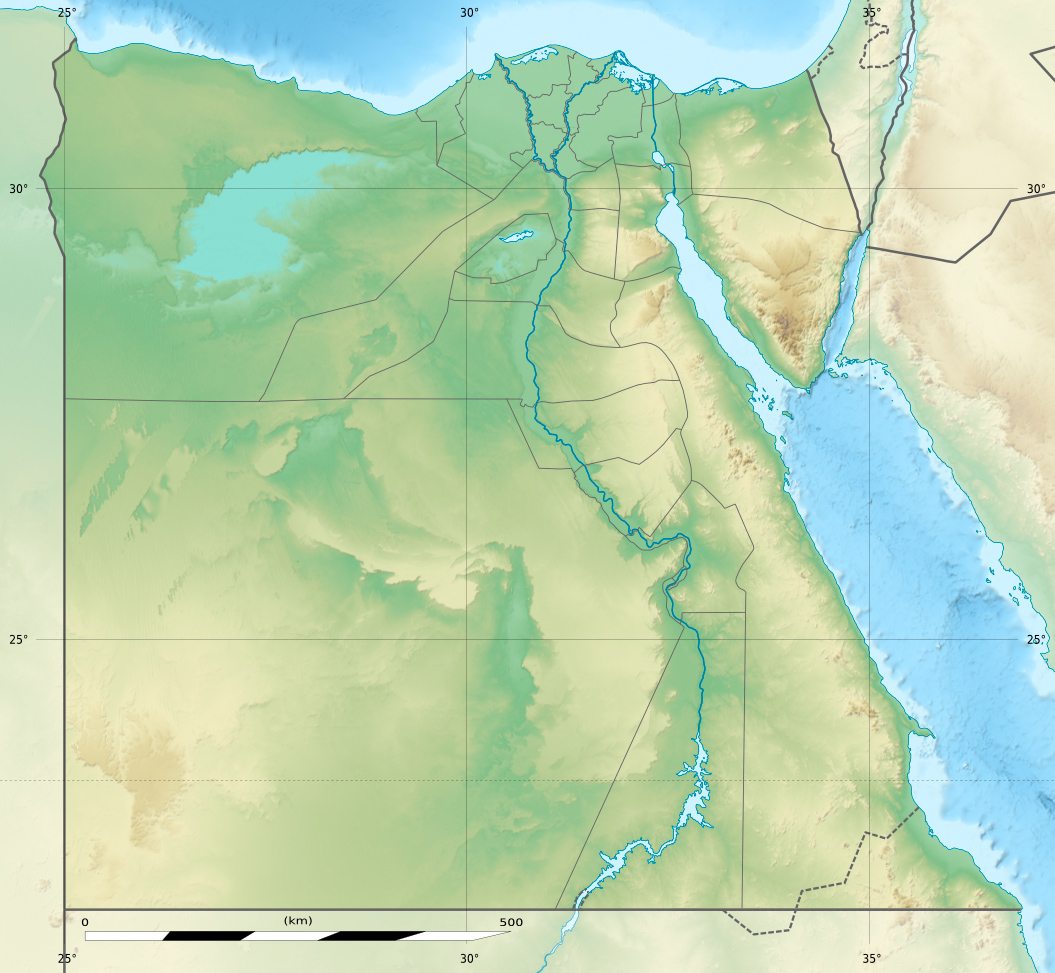
The Aswan High Dam is a major embankment dam on the Nile River near Aswan in Egypt. Constructed from 1960 to 1971, the structure created the large reservoir commonly called Lake Nasser. It is a multipurpose infrastructure project intended to control seasonal floods, store water for drier years, expand irrigation and generate hydroelectric power.
Image gallery
10 Images





Design and main features
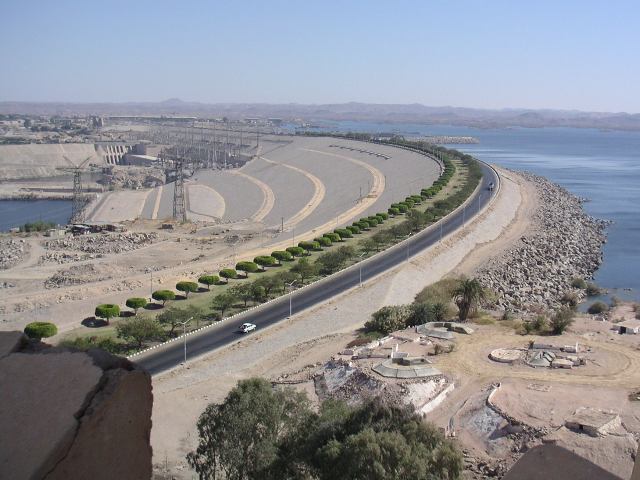
The dam is principally an earth-filled embankment with a central impermeable core and supporting concrete and mechanical works. Associated components include spillways, intake towers and a power complex. The reservoir stores several years' worth of Nile flow to regulate downstream discharge and support year-round agriculture and electricity generation.
History and construction
Plans to regulate the Nile date back to earlier centuries, but the High Dam was realized in the mid-20th century amid strong national development ambitions and Cold War geopolitics. Construction required large-scale movement of infrastructure and communities and an international archaeological campaign to save threatened monuments such as Abu Simbel, relocated to higher ground to avoid inundation.
Uses and operations
The dam stabilizes river flow for irrigation, reduces the risk of devastating annual floods, and supplies a significant portion of the country's electrical generation through hydropower. Lake Nasser also supports inland fisheries, transport and local tourism along its shores.
Environmental and social consequences
While the project brought clear economic benefits, it also had long-term effects: fertile Nile silt is largely trapped behind the dam, reducing natural replenishment of downstream soils and contributing to greater reliance on artificial fertilizers. The reservoir increases evaporation losses in an arid climate. Large numbers of people, notably Nubian communities, were relocated; compensation, social change and loss of traditional lands remain important legacies. Changes in water ecology and disease patterns have been observed in irrigated areas.
Regional and long-term issues
The Aswan High Dam remains central to Egypt's water management, but it also illustrates ongoing trade-offs in river basin development. Sediment management, reservoir maintenance, evolving water demand and upstream developments on the Nile are subjects of technical study and political discussion. Climate variability adds uncertainty to future water availability and management priorities.
Legacy
- Serves as a cornerstone of modern Egyptian irrigation and energy infrastructure.
- Highlights the balance between large-scale development, cultural heritage preservation and environmental impacts.
- Continues to be studied for its engineering, social and transboundary implications.
Related articles
Author
AlegsaOnline.com Aswan High Dam Leandro Alegsa
URL: https://en.alegsaonline.com/art/6862