
National Gallery of Victoria
Melbourne’s National Gallery of Victoria (NGV) is Australia’s oldest and largest public art museum, holding over 65,000 works across two sites and a wide program of exhibitions, research and public programs.
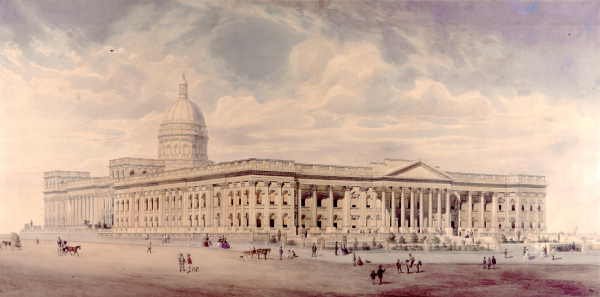
The National Gallery of Victoria (NGV) is a major public art museum in Melbourne, Australia, founded in 1861. It is widely recognised as the oldest and largest public art gallery in the country. NGV operates across two principal sites: NGV International on St Kilda Road and The Ian Potter Centre: NGV Australia at Federation Square. Together these venues display a broad chronological and geographic sweep of visual culture, from historical European painting to contemporary international art and Indigenous Australian works.
Image gallery
10 Images





Collections and strengths
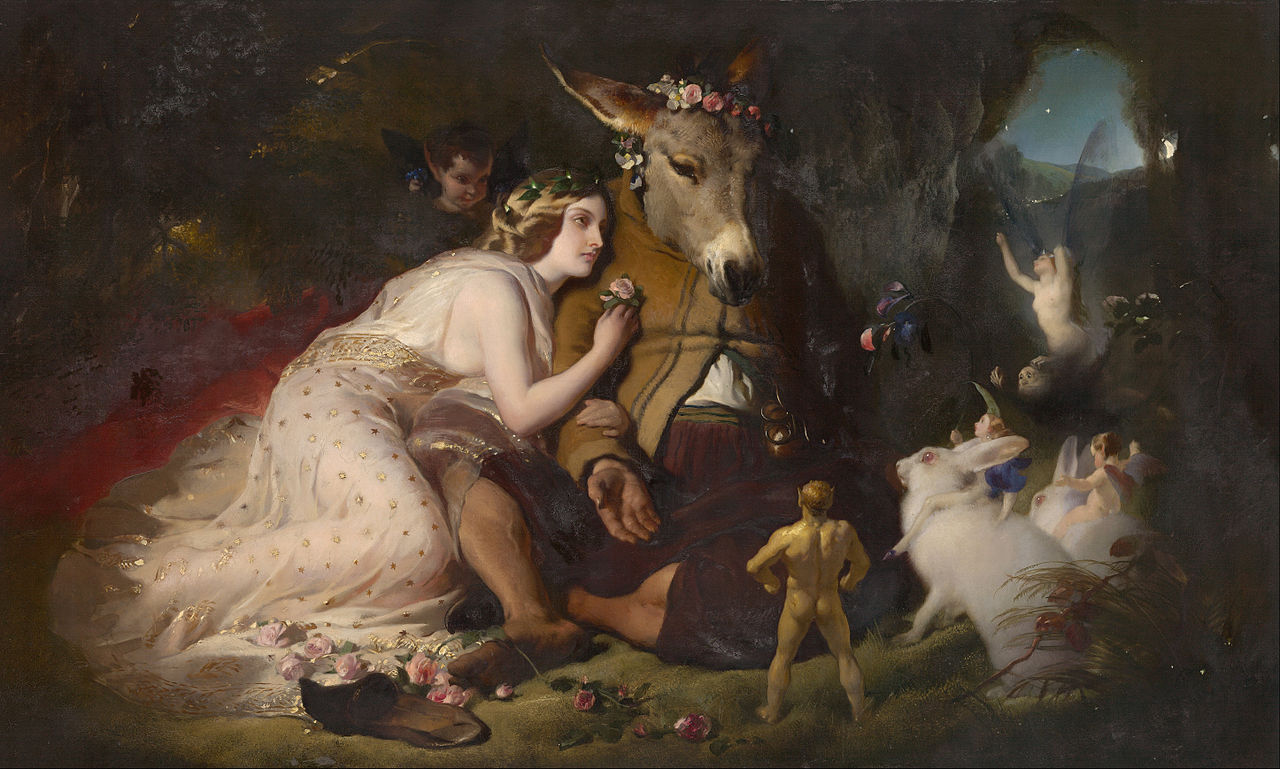
NGV's holdings exceed 65,000 objects and include painting, sculpture, design, textiles, decorative arts, prints, photographs and contemporary media. The collection strengths are diverse and include:
- European Old Masters and nineteenth-century painting;
- Modern and contemporary international art and design;
- Asian art and antiquities spanning several millennia;
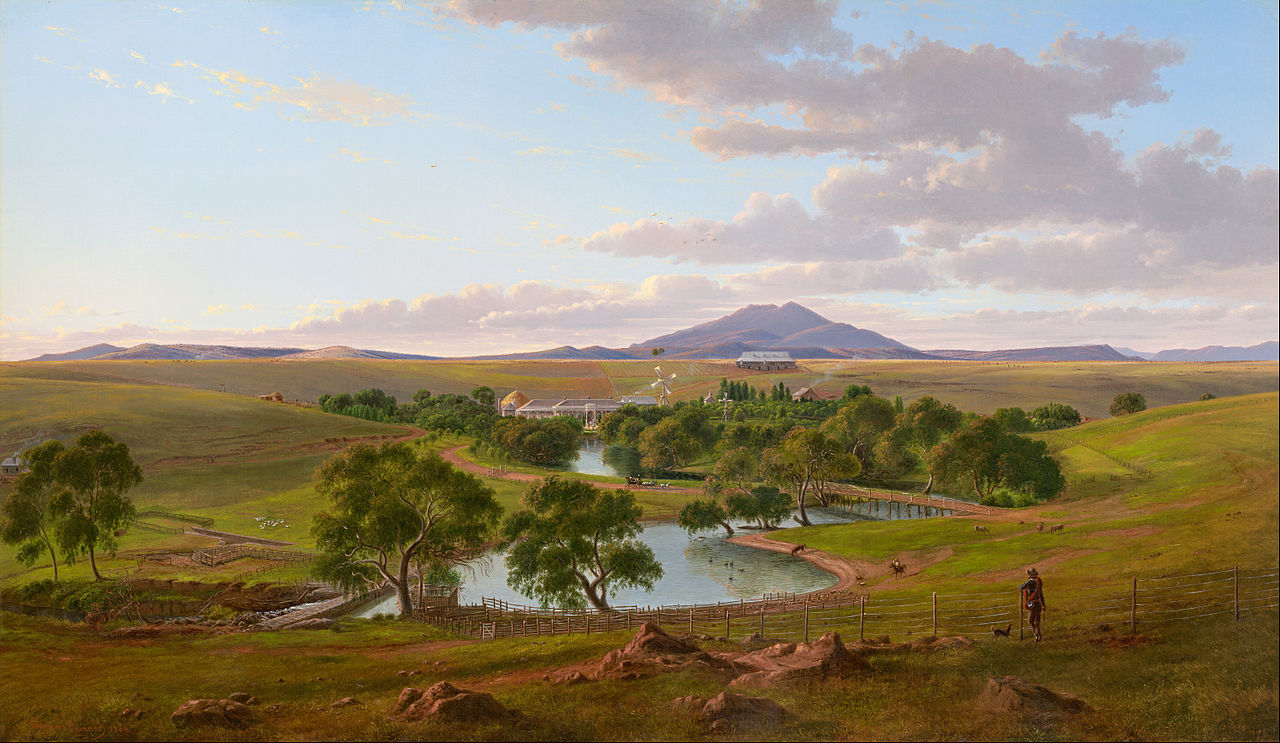
- Australian art, from colonial and settler-era pictures to modern and contemporary works, including Indigenous art traditions;
- Applied arts and decorative collections, including costume and furniture.
Buildings and display sites
NGV International sits on St Kilda Road and is the gallery best known for its landmark exhibition spaces and the iconic Great Hall. The St Kilda Road complex was redeveloped and refurbished over the decades; the modernised NGV International displays the institution’s large international loans and blockbuster exhibitions. The Ian Potter Centre, located within Federation Square in Melbourne’s central precinct, specialises in Australian art and offers a concentrated presentation of national and Indigenous works. The gallery sites are also home to conservation laboratories, libraries and curatorial research centres that care for the collection and facilitate loans and exhibitions.
History and development
The NGV was established at a time when Melbourne and the colony of Victoria had strong economic and civic ambitions. Wealth generated by the mid-19th-century gold rush and subsequent prosperity enabled philanthropists and civic leaders to support cultural institutions. Generous legacies and bequests, most notably from collectors such as Alfred Felton, provided funds that allowed the gallery to acquire significant works from overseas and to build up a public collection. The institution’s educational role was strengthened by the foundation of the NGV Art School in 1867, which trained many influential Australian artists and helped shape the nation’s visual culture.
Education, research and public role
As a public museum, NGV runs a wide program of temporary exhibitions, scholarly research, conservation, loans and public engagement activities. Its exhibitions range from survey displays of its permanent collections to international travelling shows and contemporary art commissions. The gallery provides education programs for schools and adults, curator talks, guided tours and community events. NGV also supports scholarship in art history and conservation while partnering with national and international museums for research and exchange.
Notable facts and influence
NGV holds a central place in Australia’s cultural landscape. It was the first major public gallery established in the country and has since been a key venue for shaping public appreciation of art. Its art school, founded in the 19th century, produced many prominent practitioners; among its alumni is the celebrated Australian artist Sidney Nolan. The gallery continues to balance the display of historical masterpieces with contemporary commissions and Indigenous art, reflecting both global connections and local artistic priorities. For historical context on the colony that helped found the gallery, see this note on the colonial period: colonial Victoria.
NGV remains active in lending, borrowing and presenting landmark exhibitions that attract national and international visitors. Through its two sites, public programs and collection care, the National Gallery of Victoria serves as both a guardian of artistic heritage and a platform for new creative expression.
Related articles
Author
AlegsaOnline.com National Gallery of Victoria Leandro Alegsa
URL: https://en.alegsaonline.com/art/68605
Sources
- ngv.vic.gov.au : "NGV Collection"