
Neon lamp
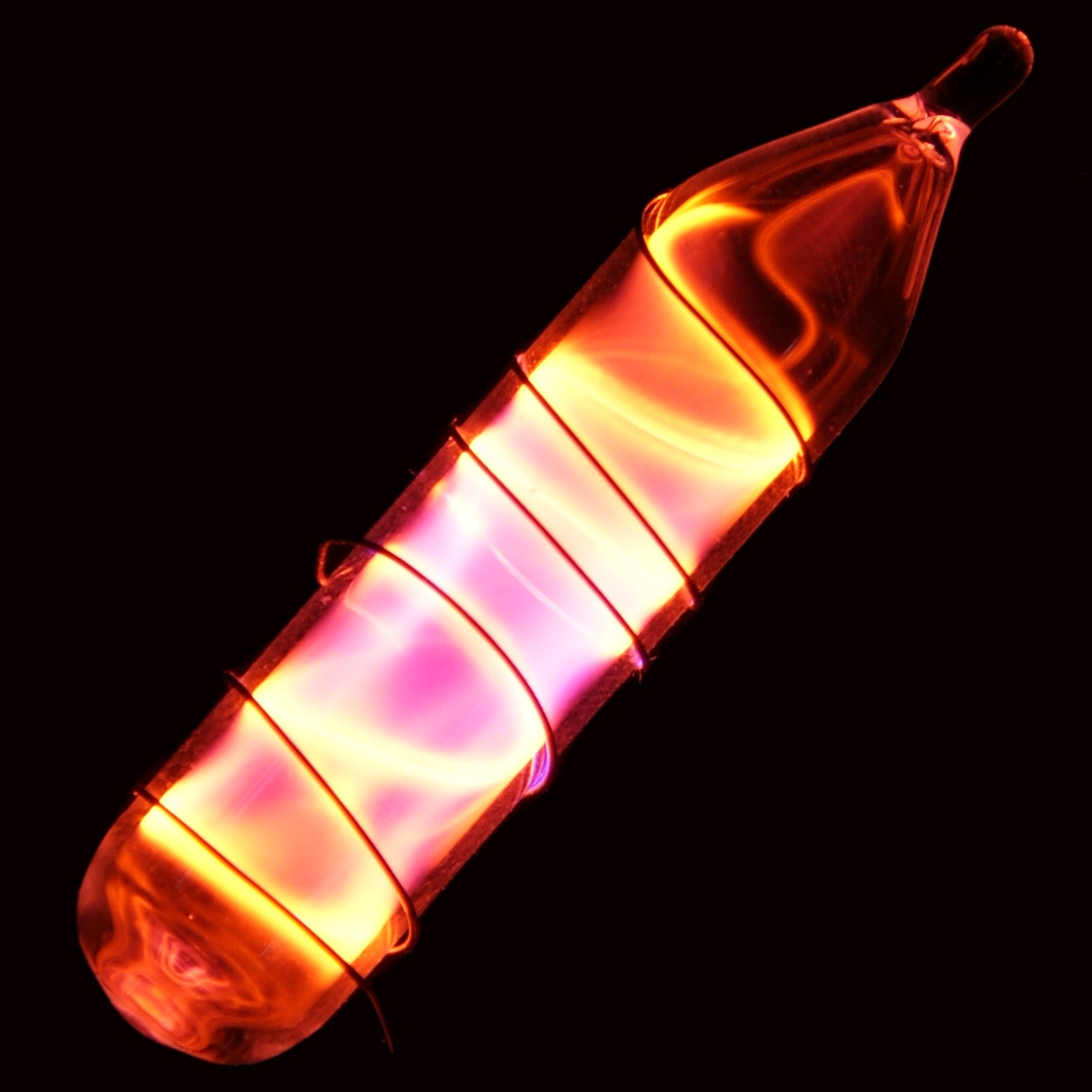
A neon lamp is a low-pressure gas-discharge light whose glow color depends on the fill gas. Used in signage, indicators and decorative lighting, it includes neon tubes and small glow lamps with distinct properties.
Overview — A neon lamp is a type of gas-discharge light in which an electrical current passes through a low-pressure gas inside a sealed glass envelope. The simplest use of the term describes long bent glass tubes used in illuminated signs; it can also refer to much smaller neon glow lamps used as indicators and voltage stabilizers. For a basic primer, see neon lamp basics.
Image gallery
10 Images




How it works
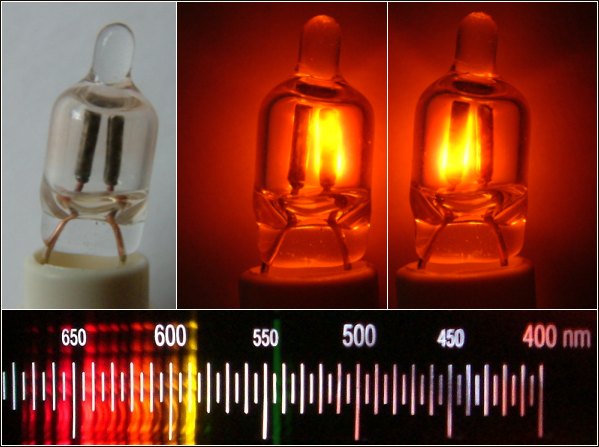
When a sufficient voltage is applied between electrodes at the ends of the tube, free electrons accelerate and collide with gas atoms. Those collisions excite the atoms; when they return to lower energy states they emit light at characteristic wavelengths. The glass tube, electrode design and gas pressure determine ignition voltage, color and luminous efficiency. Technical details and specifications are discussed in many resources such as gas-discharge lighting.
Colors and gases
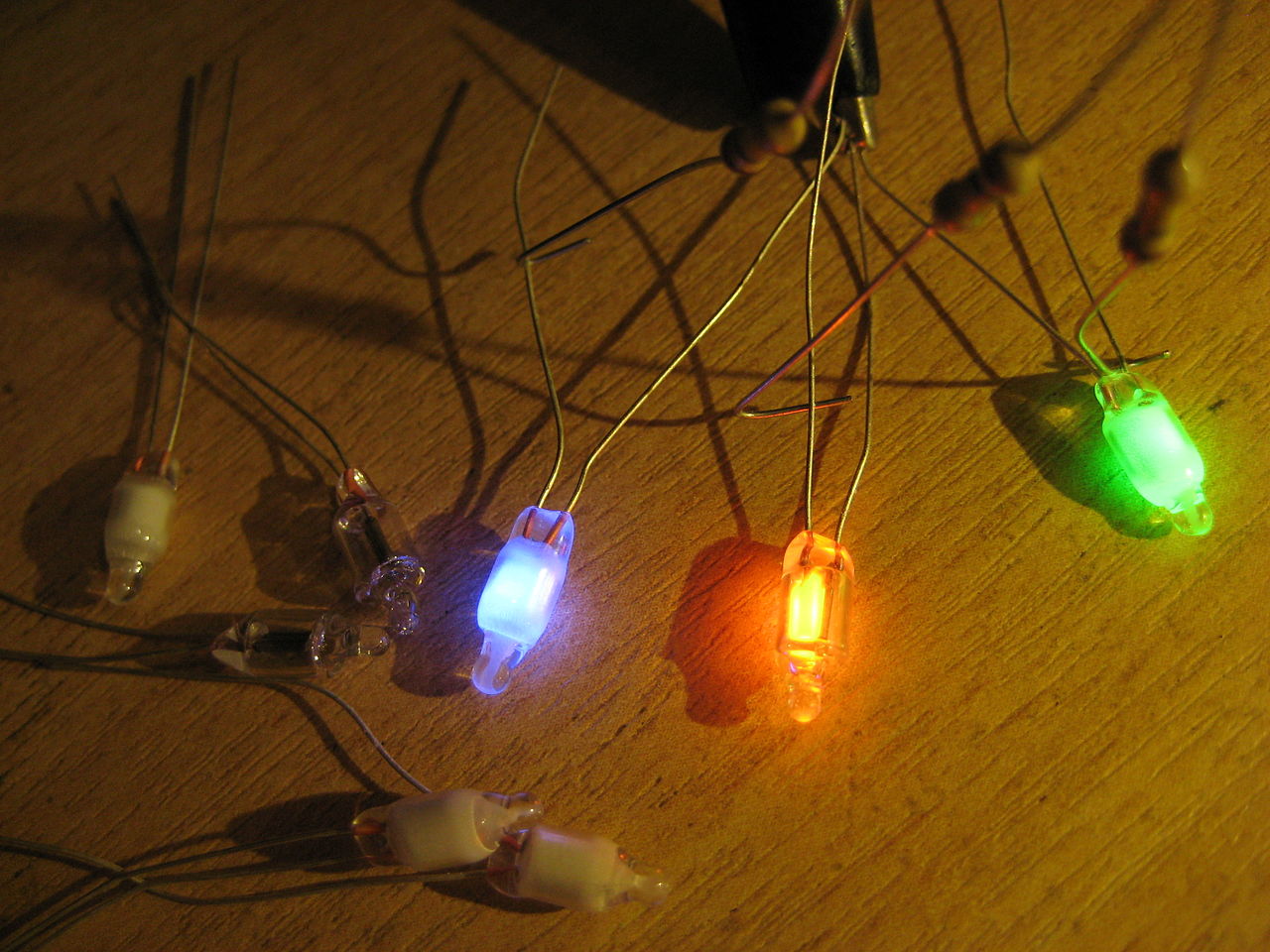
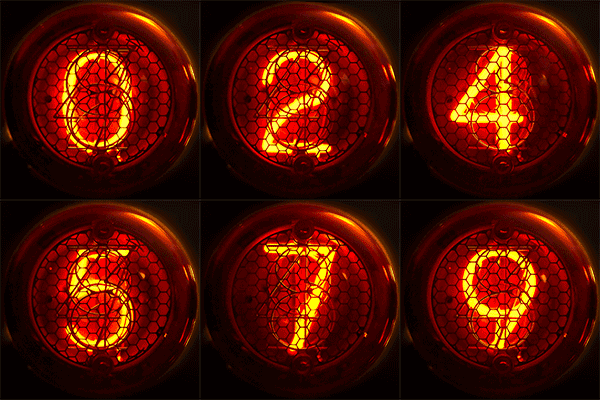
Different noble and inert gases produce different colors when excited. Pure neon produces a distinctive red-orange glow. Other gases give other hues: helium tends toward pale yellow, argon often appears blue or violet (sometimes mixed with mercury vapor), and krypton or xenon produce whitish to bluish tones. Manufacturers also alter appearance by using colored glass or fluorescent coatings to obtain a wider palette. Examples and color guides can be found at helium color, neon color, red emission, and orange emission.
History and development
Neon lighting rose to prominence in the early 20th century after practical neon tubes were developed and demonstrated in public displays. Neon signs quickly became popular for commercial advertising because of their vivid colors and visibility at night. The technology evolved to include transformers for high-voltage drive, shaped tubing, and mixed-gas tubes for different effects; historical introductions are summarized in many industrial histories such as neon lighting history.
Uses, variations and notable facts
- Large bent-tube neon signs for advertising and art.
- Small neon glow lamps used as electrical indicators and surge protectors.
- Decorative lighting, theatrical effects and contemporary art installations.
- Color control via gas mixtures, colored glass, or phosphor coatings.
Distinctions: the term "neon lamp" is sometimes used loosely to mean any gas-discharge tube used for signage, but strictly speaking only tubes containing neon gas emit the classic red-orange color. Safety considerations include the requirement for high-voltage drive circuitry, careful glass handling, and proper disposal or recycling at end of life.
Related articles
Author
AlegsaOnline.com Neon lamp Leandro Alegsa
URL: https://en.alegsaonline.com/art/69151