
Acetylcholinesterase — enzyme that terminates cholinergic transmission
Acetylcholinesterase (AChE) is the enzyme that rapidly hydrolyzes acetylcholine at cholinergic synapses and neuromuscular junctions; it is central to muscle control, neural signaling, and several clinical conditions.
Overview
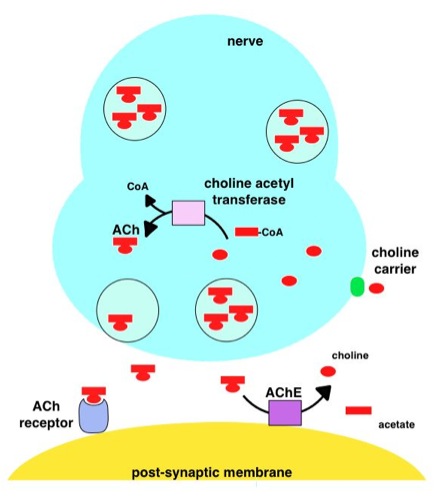
Acetylcholinesterase (AChE) is a biological enzyme located at cholinergic synapses and in the extracellular matrix of motor endplates such as the neuromuscular junctions. Its primary role is to terminate signaling by breaking down the neurotransmitter acetylcholine, allowing nerve impulses and muscle contractions to be precisely timed and stopped.
Image gallery
9 Images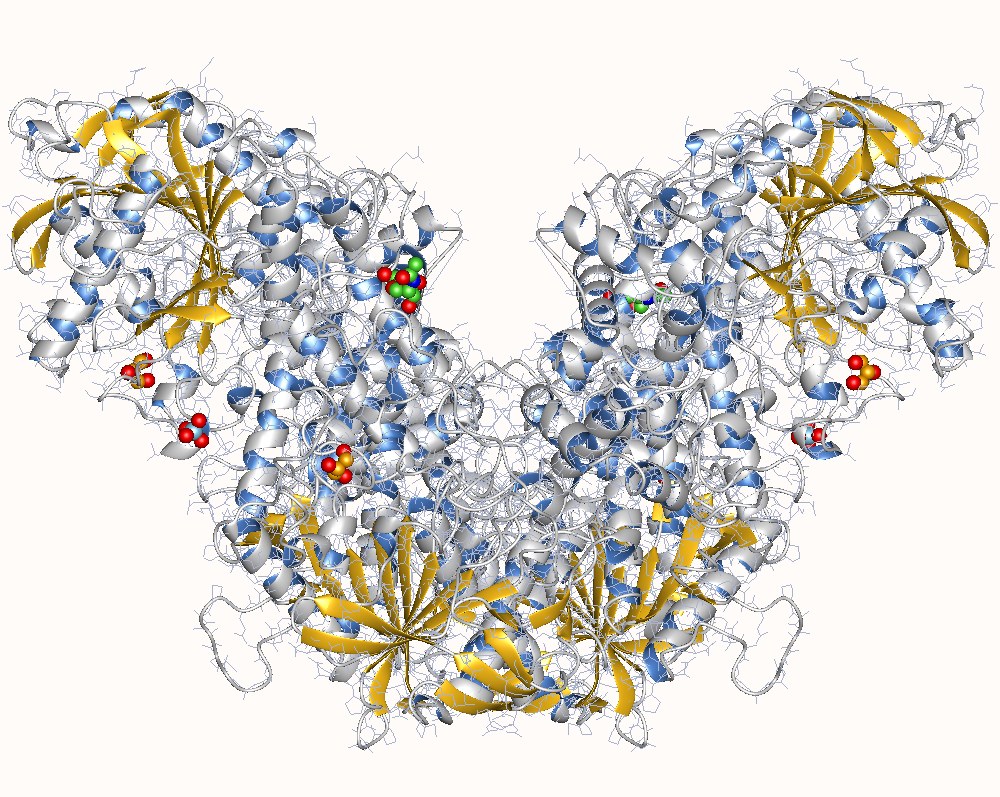




Structure and location
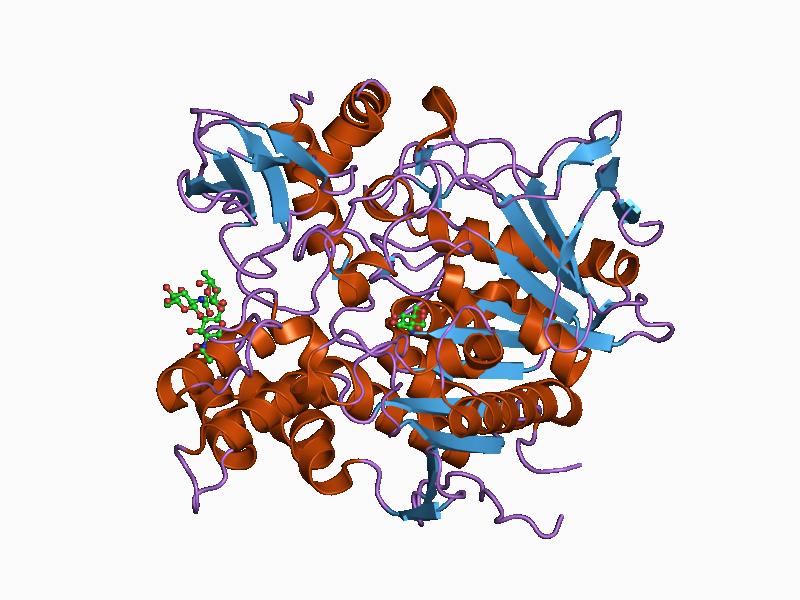
AChE is a highly efficient serine hydrolase found anchored to membranes and to the synaptic basal lamina. Molecules of the enzyme are arranged to position the active site within the synaptic cleft so they can rapidly encounter released neurotransmitters. Different molecular forms and splice variants adapt AChE to roles in neurons, muscle, and non-neuronal tissues.
Mechanism and function
The enzyme catalyzes hydrolysis of acetylcholine to acetate and choline, a reaction that occurs extremely quickly after neurotransmitter release. By clearing acetylcholine, AChE prevents prolonged activation of cholinergic receptors, permits muscle relaxation after contraction, and helps maintain high temporal resolution of synaptic signaling.
Clinical and toxicological importance
AChE is medically important because drugs and poisons that inhibit it alter cholinergic tone. Therapeutic inhibitors (for example, agents used in myasthenia gravis and some treatments for Alzheimer-like cognitive symptoms) raise acetylcholine levels and improve signaling. Conversely, irreversible inhibitors such as certain organophosphate pesticides and nerve agents cause dangerous overstimulation of muscarinic and nicotinic receptors, producing salivation, muscle weakness, respiratory failure and other life‑threatening effects. Some inhibitors are reversible (carbamates); others form very stable bonds and require specific medical interventions.
Uses, assays and distinctions
Measurement of AChE activity is used in toxicology to detect exposure to inhibitors and in research into neuromuscular disorders. A related enzyme, butyrylcholinesterase (pseudocholinesterase), circulates in plasma and has overlapping but distinct substrate preferences and clinical significance. Distinguishing these enzymes is important for diagnosis and treatment decisions.
Notable facts
- AChE operates with among the fastest catalytic rates known for enzymes, making it especially effective at ending synaptic signals.
- Its inhibition underlies both useful medicines and dangerous toxins, linking a single biochemical target to diverse human concerns.
- Research on AChE informs neurobiology, toxicology, and therapies for neuromuscular and cognitive disorders.
Related articles
Author
AlegsaOnline.com Acetylcholinesterase — enzyme that terminates cholinergic transmission Leandro Alegsa
URL: https://en.alegsaonline.com/art/681