
Myxophaga: the small suborder of algae‑feeding beetles
Myxophaga is a tiny suborder of beetles with about 65 described species in four families. Members are minute, aquatic or semi‑aquatic, and specialized for grazing on algal films in freshwater and damp habitats.
Overview
Myxophaga is one of the four recognized suborders of beetles (Coleoptera). It is very small in species number — roughly 65 described species — and composed of minute, often overlooked insects. These beetles are generally aquatic or semi‑aquatic and specialize in feeding on algal films and microalgae (algae), grazing on surfaces where water and light support algal growth. Many introductions to the group call them tiny beetles because of their diminutive size.
Image gallery
4 Images


Key characteristics
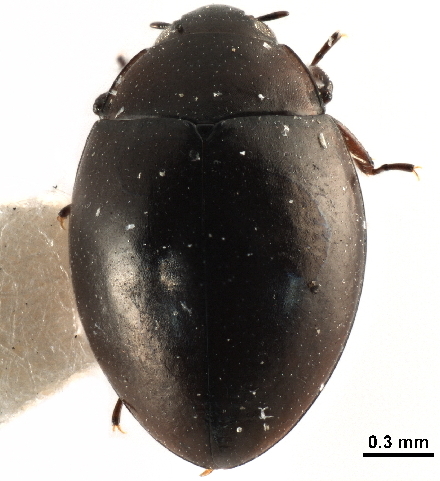
Myxophagans are typically very small (often less than a few millimetres). Adults have compact bodies, short antennae and mouthparts adapted for scraping or rasping algal layers. Larvae are similarly adapted to aquatic or damp microhabitats. External morphology tends to be simplified compared with larger beetles, reflecting their specialized lifestyle.
Families and distribution
The suborder comprises four principal families, each with distinct habits and regional occurrences:
- Lepiceridae — a small family with restricted, mainly Neotropical representatives.
- Hydroscaphidae — sometimes called skiff beetles; tiny and often found near water margins.
- Torridincolidae — inhabitants of seepage zones and interstitial aquatic habitats in warm regions.
- Sphaeriusidae — minute mud‑ or moss‑associated beetles that can occur along stream edges and wetlands.
Ecology and life cycle
Both adults and larvae typically graze on diatoms and filamentous algae that coat stones, submerged wood, moss, or wet sand. Their preferred microhabitats include shallow stream margins, splash zones, wet soils and mossy seepages where light allows algal growth. Because of their size and specific habitats, Myxophaga are often collected by careful sifting, washing of substrates, or by inspecting algal films rather than by general sweeping or light traps.
Evolution, taxonomy and research
Myxophaga has been recognized as a distinct lineage within beetles based on morphological and molecular evidence. Though species richness is low, the group is of interest to entomologists studying early diversification of Coleoptera and adaptations to aquatic microhabitats. Ongoing taxonomic work continues to refine family limits and discover cryptic diversity.
Importance and notable facts
Despite their small size and limited species count, myxophagan beetles play a role in freshwater and marginal ecosystems by controlling algal films and contributing to nutrient cycling. They are not known for economic importance but can serve as indicators of microhabitat conditions. For general reference on species numbers and identification, see an overview of the group here and introductory resources on beetle morphology and aquatic insects here or here. Additional ecological background on algal grazing in freshwater systems is available here.
Related articles
Author
AlegsaOnline.com Myxophaga: the small suborder of algae‑feeding beetles Leandro Alegsa
URL: https://en.alegsaonline.com/art/68020