
Nanotyrannus
A small, controversial tyrannosaurid known from a few Late Cretaceous specimens; debated as a distinct genus or juvenile Tyrannosaurus rex, with implications for dinosaur growth and diversity.
Overview
Nanotyrannus (literally "dwarf tyrant") is the name applied to a very small, late Cretaceous tyrannosaurid known from only a few fossil specimens. Its status is controversial: some paleontologists consider it a valid, small-bodied genus, while many others interpret the fossils as juvenile individuals of Tyrannosaurus or a closely related large tyrannosaur. The material originates from North America and dates to the Maastrichtian stage of the Late Cretaceous, about 67 million years ago.
Image gallery
10 Images




Physical characteristics
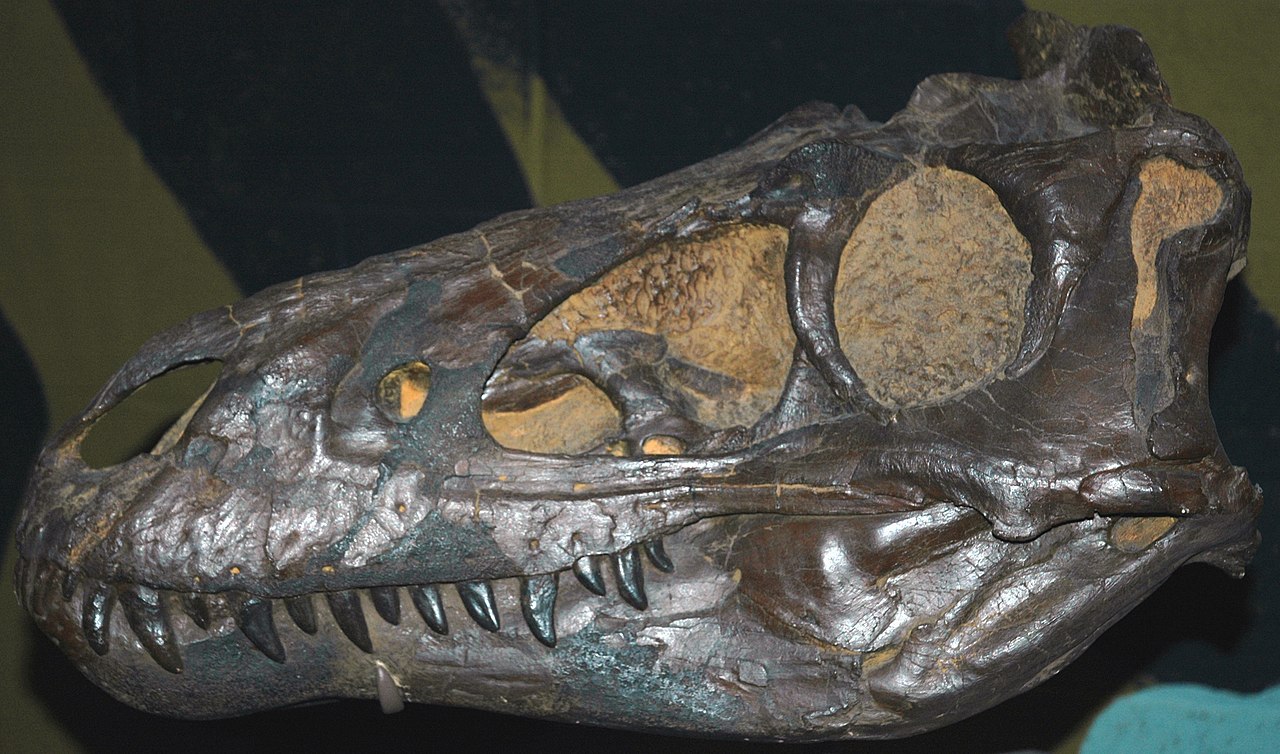
Specimens attributed to Nanotyrannus are described as more lightly built than adult large tyrannosaurids, with relatively slender skulls, gracile jaws, and a higher tooth count in the upper jaw. Proponents point to elongated limb proportions and finer bone texture as distinguishing traits. Critics note that many of these features are commonly seen in juvenile tyrannosaur individuals and change during growth, making them unreliable for defining a separate genus.
Discovery and taxonomic history
The fossils assigned to Nanotyrannus were recognized in the 20th century from a small number of partial skeletons and skulls. Because the material is limited—only two or three specimens are usually cited—taxonomic conclusions have remained tentative. Early descriptive work emphasized apparent differences from large tyrannosaur specimens, but later studies introduced growth and developmental explanations. Readers can consult general overviews of doubtful or contested dinosaur genera via resources cataloging taxonomic uncertainty (doubtful genus).
Scientific debate and methods
Debate centers on whether observed contrasts reflect true species-level differences or ontogenetic (growth-related) stages. Researchers use bone histology, cranial suture closure, and comparative anatomy across growth series to address the question. Histological sampling that reveals rapid juvenile growth or unfused bones supports the juvenile-Tyrannosaurus hypothesis, while analyses emphasizing consistent anatomical differences argue for a separate small-bodied taxon. The controversy illustrates broader challenges in fossil interpretation where sample sizes are small.
Importance and implications
Resolving the identity of Nanotyrannus affects interpretations of tyrannosaur diversity, ecology, and life history. If valid, it would indicate a relatively small predatory niche coexisting with larger tyrannosaurids; if it represents juveniles, it provides crucial data on how giant predators changed as they matured. The case is frequently discussed in studies of Late Cretaceous faunas and vertebrate growth patterns (tyrannosaurid dinosaur).
Notable facts and further reading
Because only a handful of specimens exist, new discoveries and modern techniques such as computed tomography and microscopic bone analysis continue to inform the debate. For broader geological context about the time and formations that produced these fossils, see resources on the Late or Upper Cretaceous. Continued fieldwork and reexamination of museum collections are likely to shape consensus in coming years.
Related articles
Author
AlegsaOnline.com Nanotyrannus Leandro Alegsa
URL: https://en.alegsaonline.com/art/68273
Sources
- doi.org : 10.1080/02724634.2011.557116