
Mysticism: Direct Experience of the Sacred
Mysticism is the pursuit or report of direct, often transformative encounters with ultimate reality or the divine, found across religious traditions and expressed through visions, contemplation, and inner practices.
Overview
Mysticism refers to practices and experiences in which individuals claim direct contact with ultimate reality or the divine, beyond ordinary sensory perception and doctrinal instruction. Such encounters are often described as unitive, ineffable, and transformative. Many traditions treat mysticism as a route to personal insight rather than a system of dogma. Some speak of an experience of God as a personal presence (experience of God), others of an apprehension of universal truth or ground of being (true reality).
Image gallery
6 Images



Typical characteristics
Mystical experiences and the practices that lead to them tend to share several features. They are commonly:
- Ineffable — difficult to express fully in ordinary language.
- Unitive — reported as a sense of union with the divine, cosmos, or ultimate reality.
- Transformative — producing lasting ethical, psychological, or spiritual change.
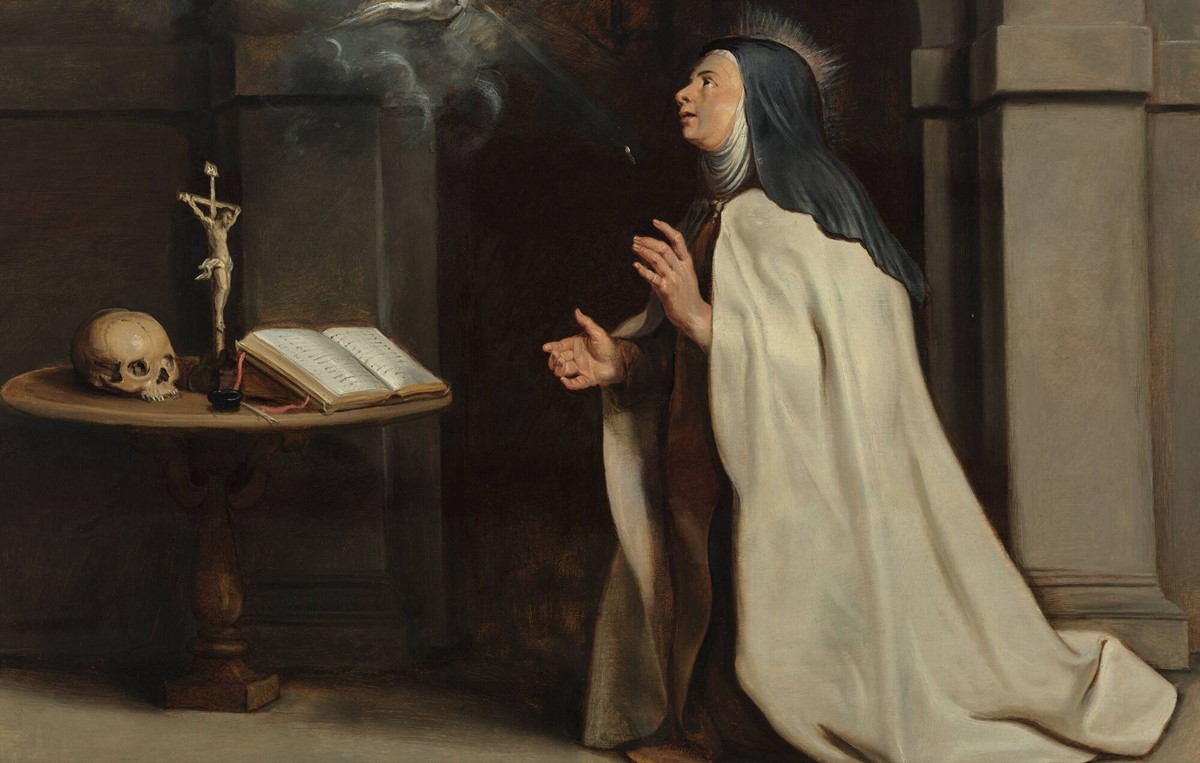
- Perceptual — sometimes involving visions (visions) or altered states resembling intense dreams (dreams).
History and cultural range
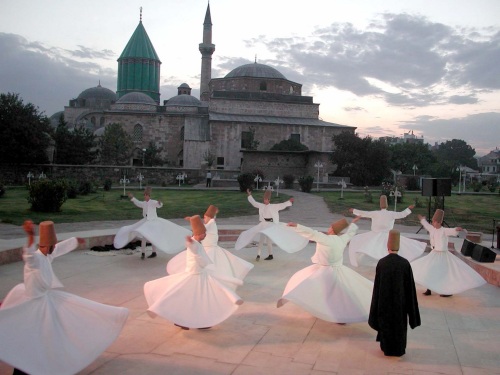
Mystical currents appear in many religious traditions; they do not require abandoning doctrine but often reinterpret it. Western examples include strands of Christian contemplative practice and Jewish Kabbalah, while in Islam Sufism emphasizes direct devotion to God. South Asian traditions such as Hindu bhakti and various Buddhist meditation schools also foster inner realization. Mystical expression varies with cultural language, symbols, and institutional settings (religions).
Practices and examples
Techniques associated with mysticism include contemplative prayer, meditation, ascetic disciplines, chanting, and guided solitude. Practitioners have ranged from monastics to lay devotees and include well-known historical figures whose writings influenced wider communities. Reports of mystical experience may be literary, poetic, or philosophical and often serve as guides for further practice.
Distinctions and scholarly approaches
Scholars distinguish mysticism from related concepts like spirituality, the occult, or charismatic religious phenomena. Debates exist about whether mystical experiences share a common core across cultures or are shaped mainly by language and expectation. Psychology, comparative religion, and theology each bring different methods to describe and interpret mystical claims, whether as genuine encounters, natural cognitive states, or cultural constructions.
Importance and contemporary relevance
Mysticism continues to influence ethics, art, and interreligious dialogue. For many, it offers a resource for personal meaning, ethical motivation, and cross-cultural connection. Its emphasis on interior transformation and direct experience remains a significant strand in modern spiritual practice and academic study.
Related articles
Author
AlegsaOnline.com Mysticism: Direct Experience of the Sacred Leandro Alegsa
URL: https://en.alegsaonline.com/art/68012