
Myst — influential 1993 puzzle-adventure game
Myst is a landmark graphic puzzle-adventure game by Cyan that popularized CD-ROM storytelling, notable for its pre-rendered worlds, nonviolent gameplay, and cultural impact across ports, sequels and novels.
Overview
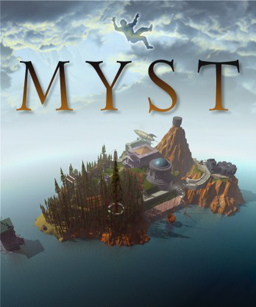
Myst is a single-player graphic adventure and puzzle game created by brothers Rand and Robyn Miller and developed at Cyan. First published for the Macintosh in September 1993, Myst places the player in a mysterious island environment and uses exploration, observation and logic puzzles to reveal a fragmented narrative about the island's creators. The game emphasized atmosphere and environmental storytelling over action or combat.
Image gallery
8 Images



Gameplay and design
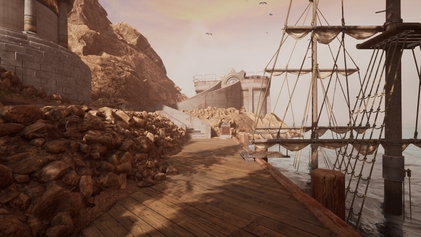
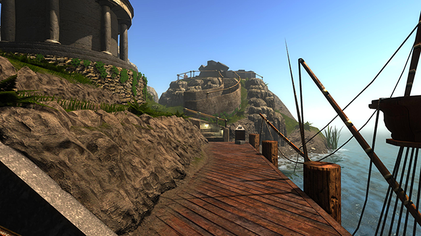
Play proceeds from a first-person perspective through a series of static, pre-rendered panoramic scenes. The player navigates by clicking to move between nodes, inspecting objects and solving interlocking puzzles that often require learning the history and relationships of the game's characters. Travel between distinct worlds, known in Myst as "Ages," is accomplished via special linking books that both conceal and reveal story information. Multiple endings and optional discoveries reward careful exploration rather than speed or reflexes.
Development and release
The Millers began work on the project in the early 1990s; their development timeline and early publicity are often summarized in retrospective accounts of the project’s origin development timeline. The initial release targeted the Macintosh platform and arrived in late 1993 Macintosh release. Following its early success, Myst was adapted for many personal computer systems and later repackaged and ported across diverse platforms platform ports, including a number of home consoles and multimedia players console ports.
Technology and market influence
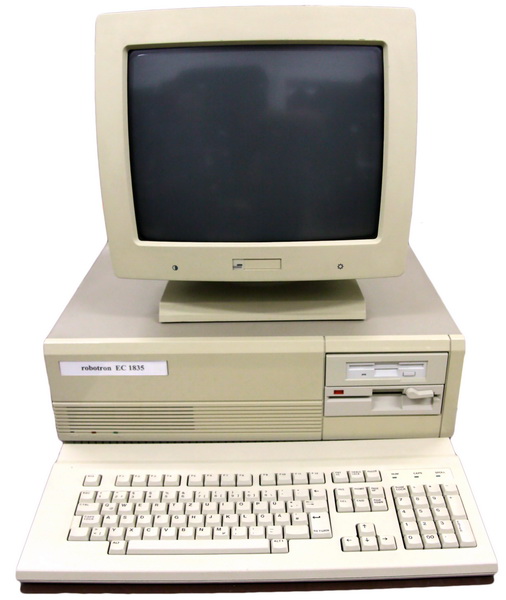
Myst made extensive use of CD-ROM storage to deliver high-resolution images, full-motion video sequences and ambient audio at a time when such content was novel for home computers. The game's commercial success helped drive consumer interest in CD-ROM drives and multimedia software, encouraging publishers to invest in richly produced interactive titles. Contemporary reviews praised Myst's immersive visuals and sound design, and retrospective criticism often highlights its mood and craftsmanship critical reception.
Commercial success, sequels and books
Myst became one of the best-selling computer games of the 1990s and retained that status for many years; it was later surpassed on sales charts by later phenomenon titles such as The Sims, which overtook it in the early 2000s sales timeline. The franchise expanded with multiple follow-up games produced by Cyan and partner studios sequels and expansions, and the Myst universe was adapted into several licensed novels and tie-in publications that developed the backstory and characters novel adaptations.
Legacy and notable distinctions
Myst is often cited as a milestone in interactive storytelling and multimedia presentation. Its slow-paced, puzzle-driven structure influenced subsequent adventure games and walking-simulator titles that prioritize atmosphere and narrative discovery. Collectors and preservationists note many different editions and remakes over the years, and the original title remains an important reference point in discussions about game design, the rise of CD-ROM culture, and how digital media can create a sense of place without real-time 3D rendering.
- Core features: nonviolent exploration, puzzle solving, environmental storytelling.
- Notable technical impact: popularized CD-ROM multimedia use.
- Expanded universe: several sequels, remakes and novelizations.
Related articles
Author
AlegsaOnline.com Myst — influential 1993 puzzle-adventure game Leandro Alegsa
URL: https://en.alegsaonline.com/art/68001
Sources
- mobygames.com : "Myst for Macintosh"
- psp.ign.com : "Myst (PSP)"
- eurogamer.net : "Myst heads to DS"
- ds.ign.com : "Empire Interactive's Myst DS Goes Gold"