
The Sims (video game series)
A long-running life-simulation series launched in 2000. Players create and manage virtual people, households and environments; the franchise includes multiple sequels, expansions and a large user modding community.
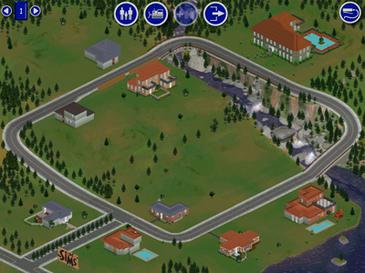
The Sims is a long-running life-simulation video game series first released in 2000 by Maxis and published by Electronic Arts. Designed as an open-ended simulation of domestic and social life, it invites players to create characters called "Sims," manage everyday needs and emotions, arrange homes and neighborhoods, and explore emergent stories rather than reach fixed win conditions. General information and an overview of the franchise can be found at the series overview, and original release details are discussed in contemporary release notes.
Image gallery
3 Images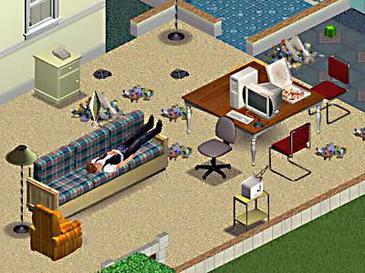

Core gameplay systems
Across the main entries the series emphasizes indirect control: players influence priorities and choices rather than directly puppeteering every action. Recurring systems include Create-a-Sim (customization of appearance, traits and life stage), needs and mood mechanics that affect behavior, and separate build and buy modes for designing residences and community lots. Progression through careers, skill development and interpersonal relationships provides long-term goals while the sandbox design supports open-ended play.
Main entries and expansions
The original game spawned multiple full sequels and many expansion and stuff packs. Notable numbered entries are The Sims 2 (2004), which added generational play and aging cycles; The Sims 3 (2009), which introduced more open neighborhoods and wider customization; and The Sims 4 (2014), which refined emotions, multitasking and build tools. Each main title was supported by expansion packs that added careers, activities, additional objects and themed content. For developer commentary and official updates consult developer resources at developer pages.
Community, mods and user content
The Sims franchise is notable for an active community that produces custom content and modifications. Players commonly create and share custom clothing, hairstyles, furniture, gameplay mods and narrative worlds. This user-generated content has extended the lifespan of each game, enabled varied playstyles (from realistic simulations to highly stylized or fantastical scenarios) and fostered online communities devoted to building, storytelling and technical modding.
Reception and cultural impact
The series attracted broad audiences and strong commercial success, becoming one of the best-known PC gaming franchises. Critics and players frequently praised its innovation, accessibility and the way it enabled personalized stories. The Sims has also been the subject of academic study in fields such as sociology, architecture and media studies, and it has influenced discussions about virtual identity, play and digital domesticity. Spin-offs and console adaptations extended its reach to different platforms and player groups.
Legacy and continued development
Over time The Sims evolved to emphasize different aspects—social simulation, narrative tools, creative building or community features—depending on each installment and its expansion strategy. The franchise remains important for its role in popularizing life-simulation games, for demonstrating the commercial viability of user-focused content ecosystems, and for inspiring hobbyists and professionals alike to use the game for design experiments, storytelling and modding projects. Further information, historical context and sequel coverage can be found at the series overview, in archived release materials, and in official updates on developer pages or the dedicated pages for The Sims 2, The Sims 3 and The Sims 4.
Questions and answers
Q: What is The Sims?
A: The Sims is a video game that imitates real life and was released in 2000.
Q: What can Sims do in the game?
A: Sims can get jobs, have needs, and can get married in the game.
Q: When was The Sims released?
A: The Sims was released in 2000.
Q: Is The Sims one of the best-selling computer games of all time?
A: Yes, The Sims is the third best selling computer and video game of all time.
Q: How many sequels has The Sims created?
A: The Sims has created three sequels – The Sims 2 in 2004, The Sims 3 in 2009, and The Sims 4 in 2014.
Q: Has The Sims created any spin-offs?
A: Yes, The Sims has created many other spin-offs of the series.
Q: Which platform did The Sims mostly sell well on?
A: The Sims mostly sold well on the computer.
Related articles
Author
AlegsaOnline.com The Sims (video game series) Leandro Alegsa
URL: https://en.alegsaonline.com/art/98844
Sources
- gunslot.com : "Top 25 video games of all time"