
Mycology: Biology, Ecology, Uses and Importance of Fungi
Comprehensive overview of mycology: fungal structure and life cycles, ecological roles, history and classification, human uses, hazards, research areas and notable facts about fungal diversity.
Mycology is the scientific study of fungi, encompassing their biology, diversity, ecology, genetics and practical interactions with humans. Fungi form a distinct group of eukaryotic organisms that range from single-celled yeasts to complex multicellular mushrooms. Mycologists examine how fungi live, reproduce and interact with other organisms, the chemical compounds they produce, and their roles as beneficial partners, industrial agents or disease-causing organisms.
Image gallery
5 Images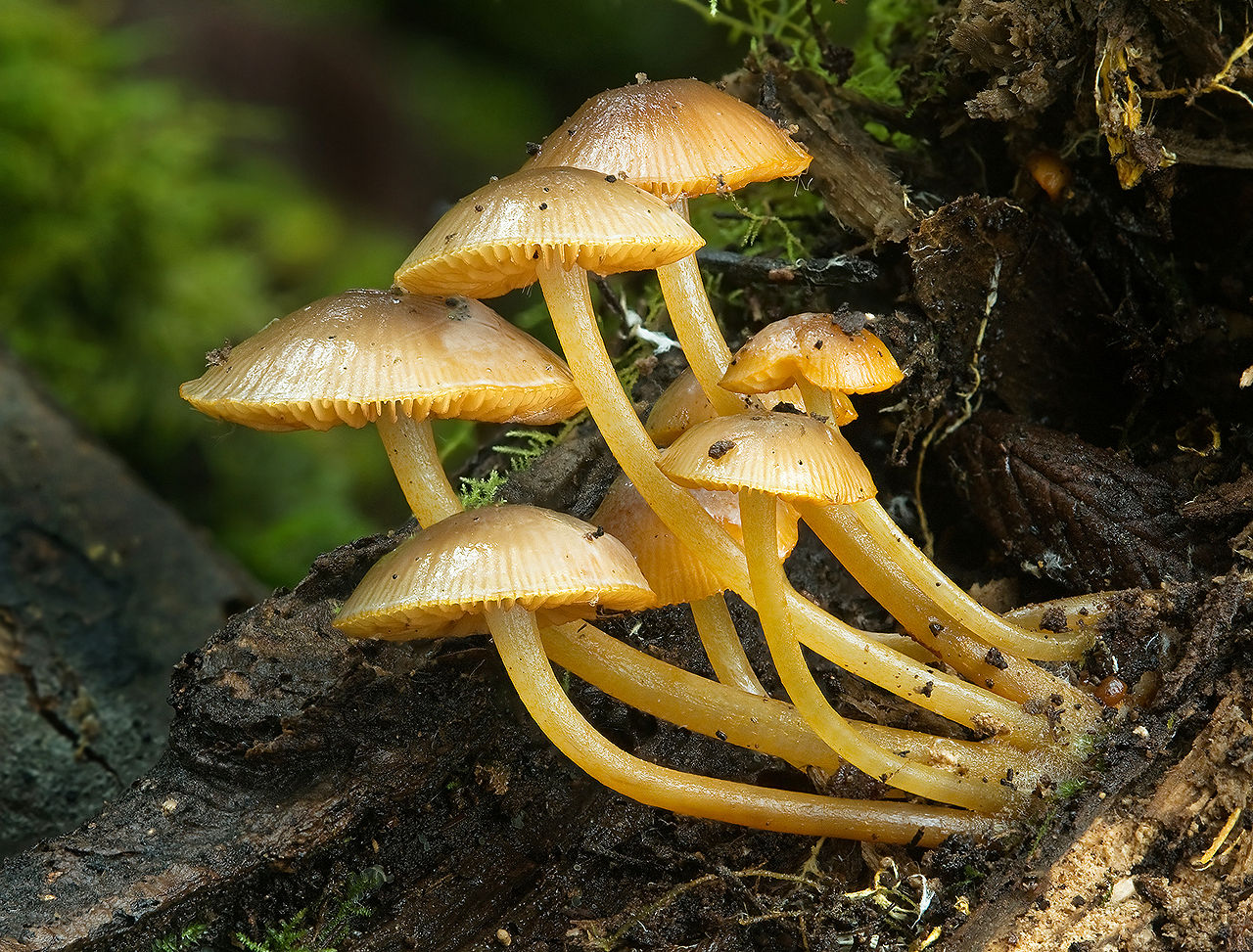



Characteristics and basic structure
Fungi share several characteristic features: most grow as networks of filaments called hyphae, which together form a mycelium; their cell walls typically contain chitin; and they reproduce by producing spores through sexual and/or asexual cycles. Many fungi produce conspicuous reproductive structures known as fruiting bodies (mushrooms, brackets, puffballs) while others remain microscopic. Cellular, biochemical and molecular traits distinguish fungi from plants and bacteria and place them on a separate evolutionary branch closer to animals than to plants.
Ecology and roles in ecosystems
Fungi are central to terrestrial and aquatic ecosystems. They decompose complex organic matter—wood, leaf litter and other biomolecules—releasing nutrients and linking to the global carbon cycle. Many fungi form mutualistic associations: mycorrhizal fungi associate with plant roots to enhance nutrient uptake, and lichens represent stable partnerships between fungi and photosynthetic organisms. These types of mutually beneficial relationships are forms of symbiosis. Fungi also include pathogens of plants, animals and humans, and their activities can profoundly influence ecosystem stability and productivity.
History, classification and scientific development
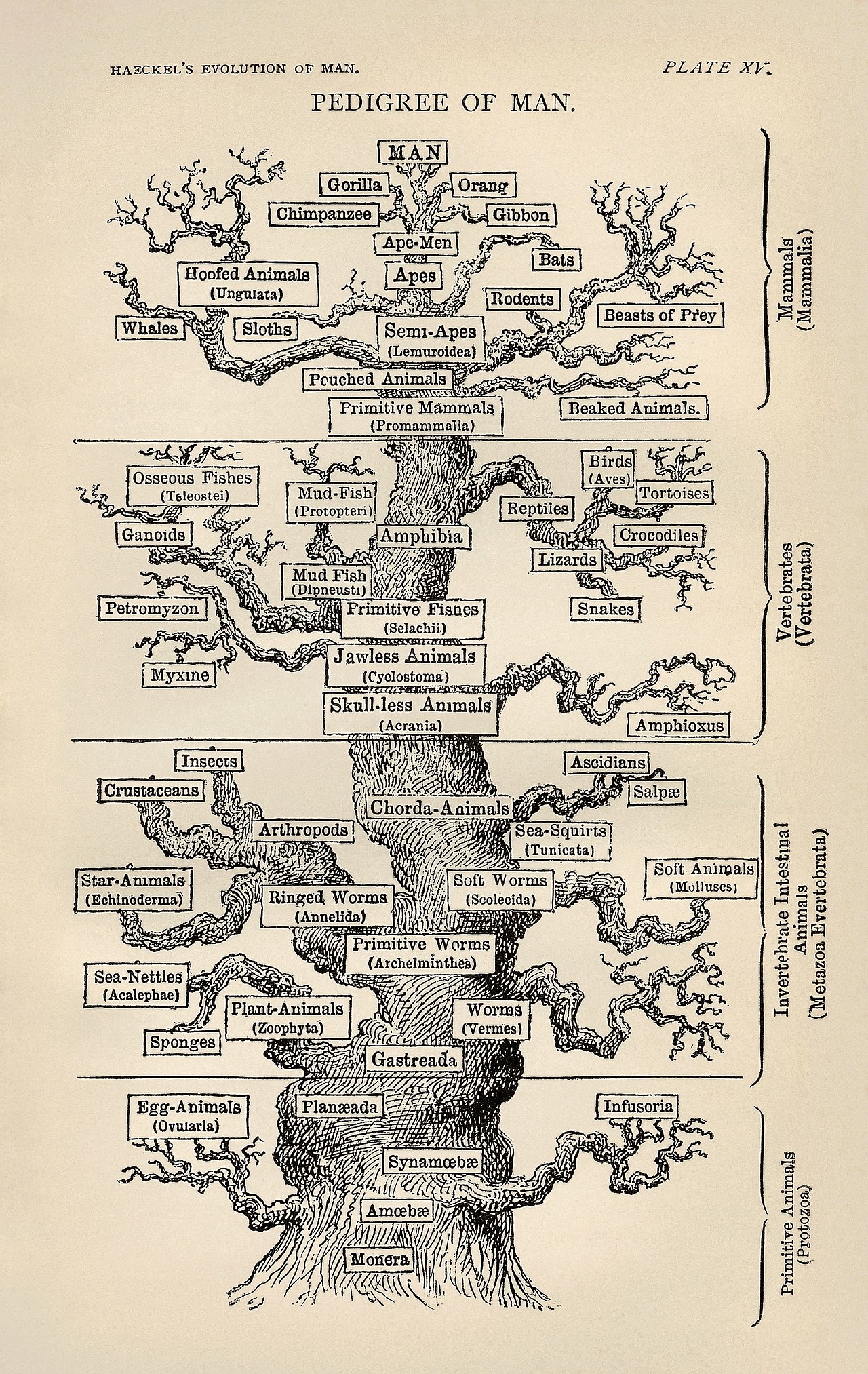
Historically treated as plants, fungi were separated into their own kingdom as biological understanding advanced in the 19th and 20th centuries. Molecular phylogenetics in recent decades has clarified fungal relationships and revealed deep evolutionary links with animals. Contemporary classification recognizes major groups such as Ascomycota, Basidiomycota and several older lineages; taxonomy continues to evolve as DNA sequencing uncovers cryptic diversity and rewrites relationships.
Human uses, benefits and hazards
- Food and fermentation: edible mushrooms and yeasts (e.g., Saccharomyces) are fundamental to cuisine and beverage production.
- Medicine and industry: fungal metabolites include antibiotics (notably penicillin), immunosuppressants and enzymes used in manufacturing and biotechnology.
- Agro- and public-health impacts: many crop diseases are fungal; some species produce mycotoxins harmful to humans and animals; others cause opportunistic or systemic infections in people.
- Bioremediation and research: fungi can degrade pollutants and are model organisms in genetics, cell biology and natural product discovery.
Subfields, methods and notable facts
Mycology spans taxonomy, ecology, pathology, industrial mycology and molecular biology. Methods include field surveys, culture and microscopy, genomic sequencing and biochemical assays. Estimates of fungal diversity vary widely: only a fraction of species have been described, and many are microscopic or unculturable. Because of their ecological importance and utility to humans, fungi are both subjects of conservation concern and sources of innovation in agriculture, medicine and environmental science.
In summary, mycology is an interdisciplinary field that reveals how fungi shape life on Earth: they recycle nutrients, form essential partnerships, provide foods and medicines, and pose challenges as pathogens and toxins. Continued research expands our understanding of fungal diversity, evolution and practical applications.
Tags
Related articles
Author
AlegsaOnline.com Mycology: Biology, Ecology, Uses and Importance of Fungi Leandro Alegsa
URL: https://en.alegsaonline.com/art/67954