
My Fair Lady (1964 film)
1964 screen adaptation of Lerner and Loewe's musical, based on Shaw's Pygmalion. Directed by George Cukor, starring Rex Harrison and Audrey Hepburn; noted for its music, casting controversy, and multiple Oscars.
Overview
My Fair Lady is a 1964 cinematic adaptation of the popular stage musical by Alan Jay Lerner and Frederick Loewe. The film draws on earlier dramatic versions of George Bernard Shaw's play Pygmalion and translates the stage spectacle to a lavish movie production. Directed by George Cukor, it stars Rex Harrison and Audrey Hepburn. The story centers on a professor of phonetics who wagers that he can transform a working‑class flower seller into a lady able to pass in high society.
Image gallery
5 Images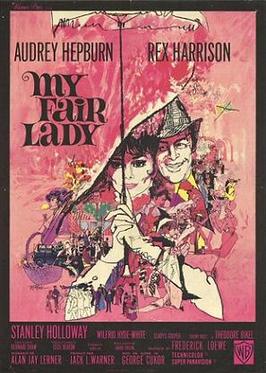


Plot and themes
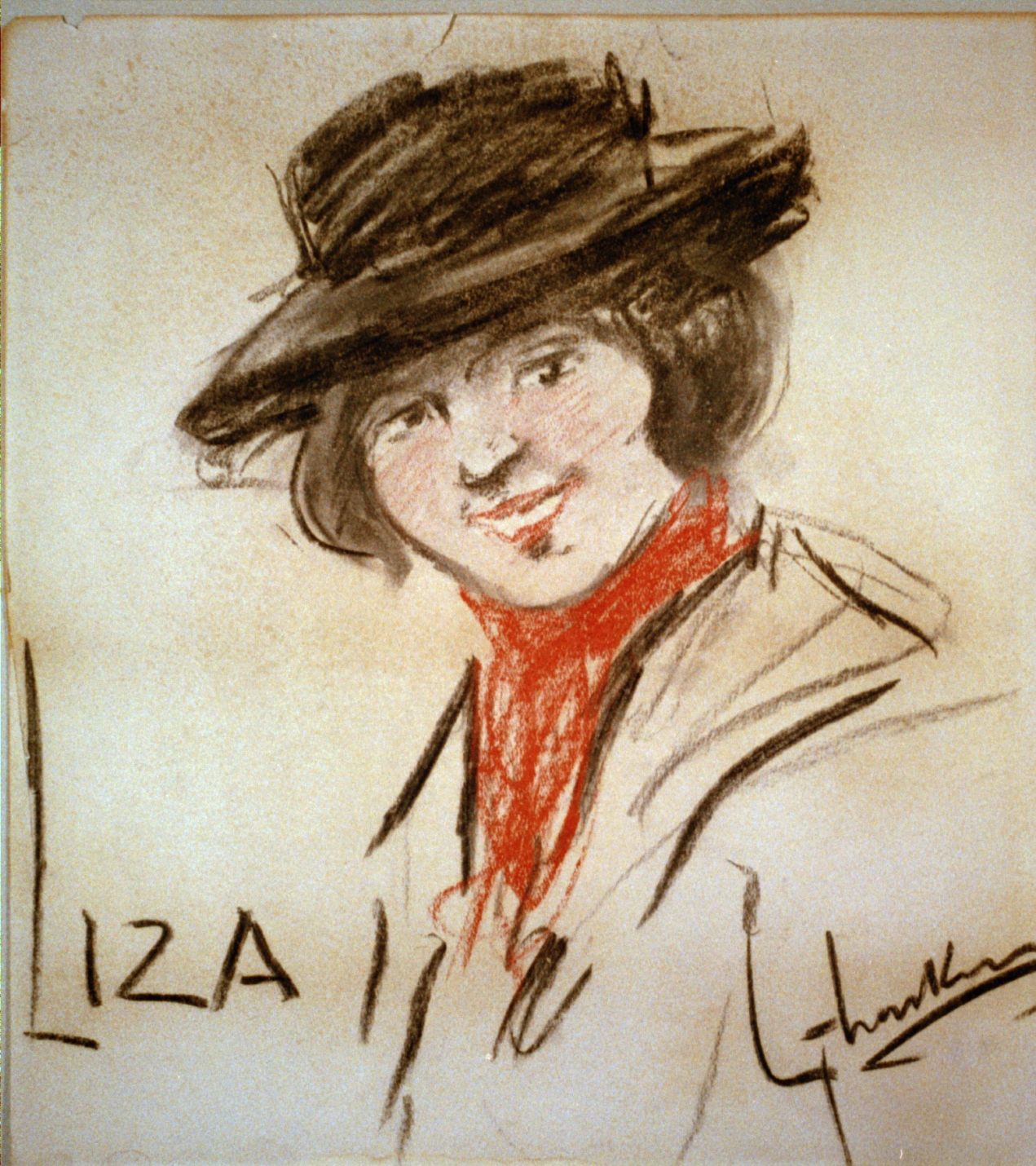
The narrative follows Henry Higgins, a linguist who studies accents and speech, and Eliza Doolittle, a Cockney flower girl. Higgins's experiment becomes a vehicle for exploring class distinctions, identity, and personal transformation. The interplay between social manners and language forms the emotional core of the story, while comic episodes and romantic ambiguity complicate the characters' relationships. Supporting characters, such as Colonel Pickering and members of London's upper class, provide contrast and social commentary.
Production and casting
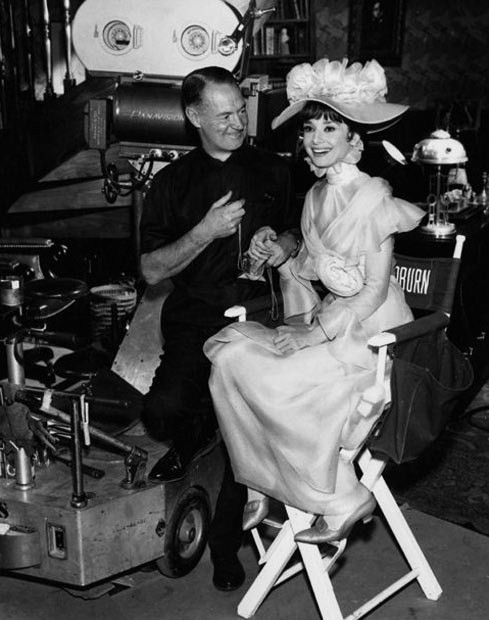
The film adapts Lerner and Loewe's 1950s stage musical (stage musical) and incorporates material drawn from earlier screen adaptations (screen adaptation) of Shaw's play by dramatizing and musicalizing its central premise. Casting decisions attracted attention: the original Broadway Eliza, Julie Andrews, did not star in the movie. Studio executives sought an internationally known screen star and cast Audrey Hepburn in the role. Andrews soon achieved film success in another project, Mary Poppins, and received major awards that season.
Music, performances, and technical notes
The film features several well‑known songs from the musical score. Notable numbers include:
- "Wouldn't It Be Loverly"
- "The Rain in Spain"
- "I Could Have Danced All Night"
- "On the Street Where You Live"
Rex Harrison performed his musical scenes using his own speaking‑singing style, which had been a hallmark of his stage performance. Some singing parts in the film were supplied by professional vocalists offscreen, a common studio practice of the era. The production was noted for its period costumes, sets that evoke Edwardian London, and a cinematic scale that sought to reproduce the musical's spectacle.
Reception and awards
On release the film was a major commercial and critical event. It earned significant recognition at the Academy Awards, including the top prize of Best Picture and important individual honors such as Best Actor for its lead and Best Director among its multiple wins. Critics and audiences praised the film's design, musical staging, and central performances, even as some commentators later debated differences between the stage original and the screen version.
Legacy and distinctions
My Fair Lady remains an influential example of Hollywood musical filmmaking and a frequent reference point for discussions about adaptation, star casting, and the translation of stage works to film. Its roots in Shaw's Pygmalion and in the Lerner‑Loewe stage show mean the film sits at the intersection of dramatic literature and mid‑20th‑century musical theatre. For further reading on the film, the original musical, the play by George Bernard Shaw, and principal artists, consult dedicated resources on the film (My Fair Lady (1964 film)), the creators and performers, and historical overviews of musical cinema.
Notable names and references: director George Cukor; leads Rex Harrison and Audrey Hepburn; original stage Eliza Julie Andrews; cultural context including phonetics and stage‑to‑screen adaptation practice. The film's awards and status are well documented in contemporary accounts and retrospective studies.
Related articles
Author
AlegsaOnline.com My Fair Lady (1964 film) Leandro Alegsa
URL: https://en.alegsaonline.com/art/67894
Sources
- boxofficemojo.com : My Fair Lady, boxofficemojo.com