
Muztagh Ata (Muztagata) — 'Father of Ice Mountain' in the Kunlun Range
Muztagh Ata is a 7,546 m peak in western China’s Kunlun system. Known as Muztagata, it is a popular, relatively accessible 7000‑metre mountain with glaciated slopes and a notable 1956 first ascent.
Overview
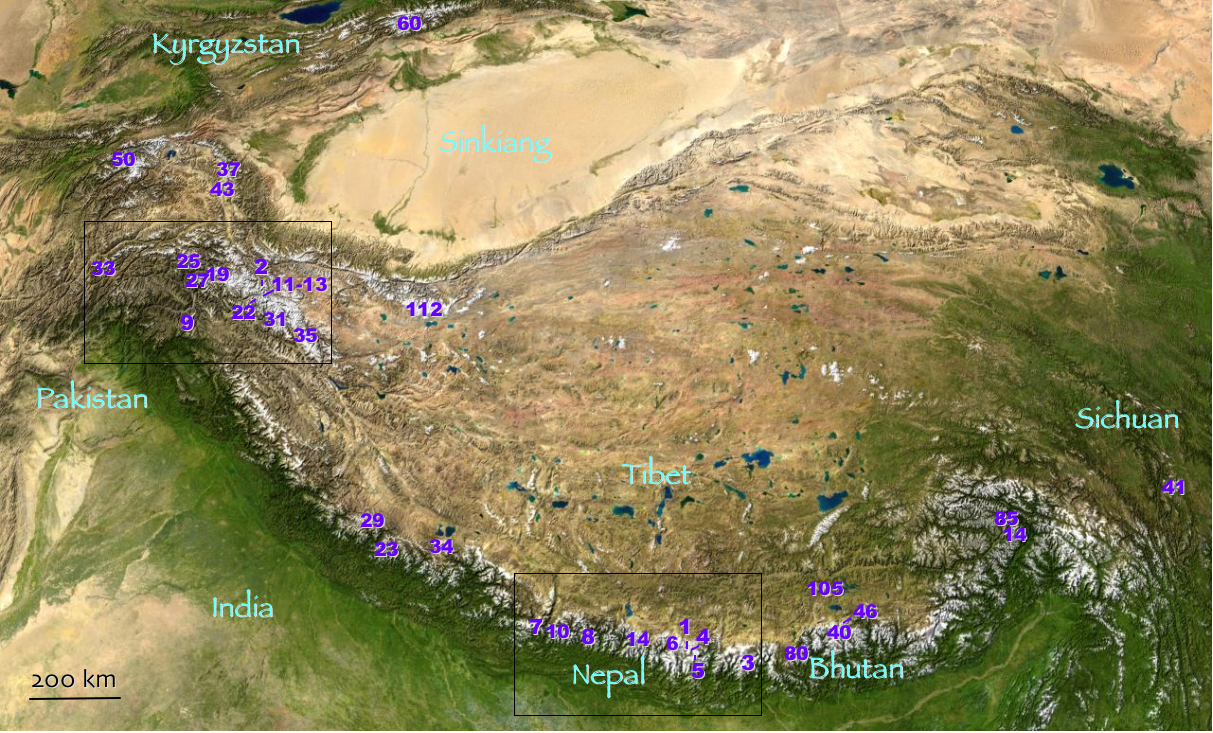
Muztagh Ata, also spelled Muztagata, rises to 7,546 metres (24,757 ft) and stands among the highest peaks of western China. Its name, commonly translated from Turkic languages as "Father of Ice Mountain," reflects the extensive snowfields and glaciers that cover its flanks. The summit is frequently cited as the 43rd highest peak in the world (world ranking), and it occupies a prominent position where several high mountain systems meet.
Image gallery
3 Images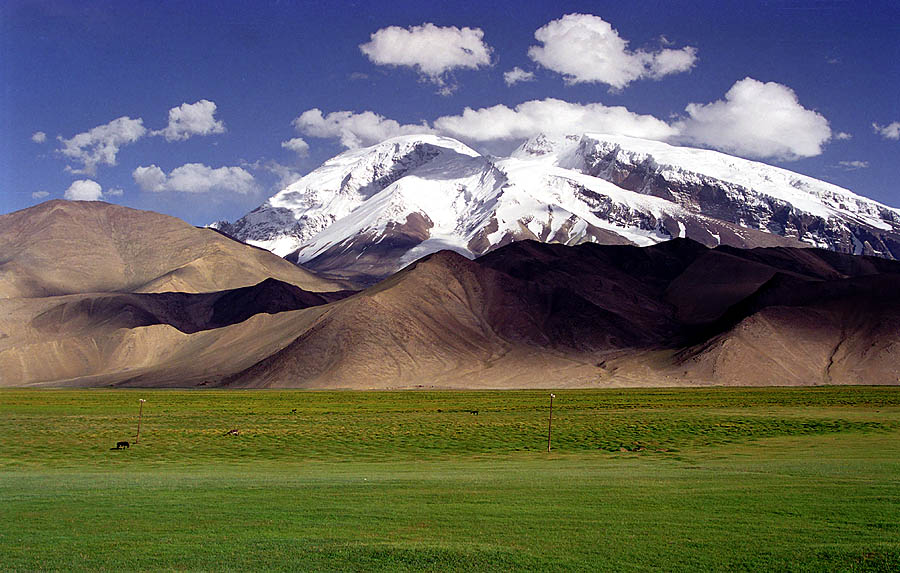

Location and physical characteristics
The mountain belongs to the broader Kunlun system, part of a complex of ranges that link the Pamirs, Karakoram and Tibetan Plateau. Geologically it is a large, glaciated massif with long, gradual slopes on many aspects rather than extremely steep faces, which produces broad icefields and several outlet glaciers. These glaciated zones and the high, open ridgelines give Muztagh Ata both its name and its visual character.
History and first ascent
European and Asian travellers described Muztagh Ata during exploratory surveys of Central Asia in the 19th and early 20th centuries. The mountain's first recorded successful ascent came in 1956 by members of a joint Chinese–Soviet climbing team; the achievement is usually attributed to climbers from China and the former Soviet Union working together on an official expedition. Since that time, the peak has attracted mountaineers for both its height and comparatively moderate normal route.
Climbing, uses and significance
Muztagh Ata is known within the climbing community for offering one of the more approachable routes among 7000‑metre mountains. While any high‑altitude ascent carries objective hazards, many teams consider Muztagh Ata a practical choice for acclimatisation, ski mountaineering and for developing high‑altitude experience. Its long glaciers support ski descents in suitable conditions, and the mountain has been used as a training objective for larger expeditions.
Notable facts and distinctions
- The peak is often identified by both spellings, Muztagh Ata and Muztagata, in maps and climbing literature.
- Because of its broad, glaciated slopes it contrasts with neighboring sharp, rocky summits found elsewhere in the region.
- Its location within the Chinese republic (China) places it in the administration of Xinjiang, an area with a long history of trade and cultural exchange across Central Asia (mountain range context).
Muztagh Ata remains an important geographic landmark, drawing scientific interest for glaciology and climatology as well as ongoing attention from recreational mountaineers and ski‑mountaineering teams.
Related articles
Author
AlegsaOnline.com Muztagh Ata (Muztagata) — 'Father of Ice Mountain' in the Kunlun Range Leandro Alegsa
URL: https://en.alegsaonline.com/art/67868
Sources
- peakbagger.com : "Muztagata, China"
- peakware.com : "Muztagh Ata"
- summitpost.org : "Muztagh Ata"
- publications.americanalpineclub.org : "Asia, China, Xinjiang, Kun Lun Mountains, Mustagh Ata, The Golden Eye, New Route with Ski Descent"
- commons.wikimedia.org : Muztagh Ata
- wikidata.org : wikidata.org/wiki/Q630579
- d-nb.info : 4496782-2
- viaf.org : 246276013
- worldcat.org : 246276013