
Mukti Bahini — The Bengali Liberation Forces (1971)
Mukti Bahini were Bengali guerrilla and regular forces formed in 1971 to resist Pakistani rule in East Pakistan; their campaign, aided by India, helped create the independent state of Bangladesh.
Overview
The Mukti Bahini (Bengali name) was the collective designation for the Bengali military force and popular resistance that rose in East Pakistan in 1971. Formed in response to denial of political rights and a violent crackdown, the Mukti Bahini conducted guerrilla warfare and, in some sectors, more conventional operations against the Pakistan Army during the Bangladesh Liberation War. Their actions, together with direct support and later intervention by India, contributed to the creation of an independent Bangladesh.
Image gallery
9 Images
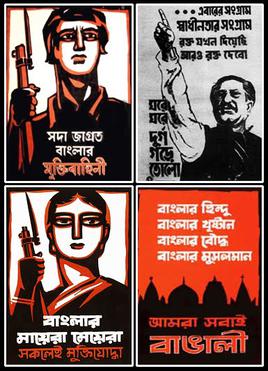


Origins and formation
The movement emerged after a major political crisis and a harsh military crackdown in early 1971. Civilian leaders, defecting military personnel, students and local volunteers organised spontaneous resistance that the provisional government sought to coordinate into a more effective fighting force. Over months the disparate groups were organised into sectors and units to improve command, supply and training.
Composition and organization
The Mukti Bahini combined several elements: surrendered or defected Bengali members of the Pakistani armed services, irregular guerrilla bands formed from civilians, and politically organised cadres aligned with the provisional government. Training centres and camps in neighbouring territories provided instruction in small-arms use, demolition and communications, while liaison structures sought to channel weapons and logistics to front-line units.
Methods and operations
Guerrilla tactics were central: ambushes, sabotage of transport and communications, hit-and-run attacks, and intelligence-gathering. Where possible and after receiving better equipment and coordination, some Mukti Bahini units engaged in larger, coordinated offensives. The movement also assisted in protecting refugees, maintaining civil order in liberated areas and collecting evidence of atrocities for later legal and historical record.
International context and Indian role
Regional politics were decisive. Refugee flows and cross-border incidents heightened tensions with India, which provided sanctuary, training areas and material support to many Mukti Bahini fighters. This support — combined with India’s own military intervention late in 1971 — played a key role in tipping the balance against the Pakistan Army and bringing the conflict to a rapid conclusion during the final phase of the Bangladesh Liberation War.
Aftermath and legacy
Following surrender and withdrawal of Pakistani forces, East Pakistan became the independent state of Bangladesh. Many Mukti Bahini fighters were later integrated into the new country’s armed forces or returned to civilian life. The movement is widely commemorated within Bangladesh as the foundation of national independence; its veterans and their families remain a significant part of the country’s political and social memory.
Commemoration and contested histories
The Mukti Bahini’s role is central to Bangladesh’s founding narrative, yet the conflict also left unresolved issues: disputes about specific wartime events, the treatment of collaborators, recognition and welfare for veterans, and the broader human cost of the war. Scholarly and public debate continues about aspects of the campaign, its conduct and its long-term political consequences.
Further reading
- General accounts of the 1971 conflict and the Bangladesh Liberation War offer background on military operations and diplomacy.
- Studies of refugee flows, humanitarian consequences and Indian involvement provide regional context (India).
- Collections of eyewitness testimony and official histories document the experiences of fighters and civilians in what became Bangladesh.
Related articles
Author
AlegsaOnline.com Mukti Bahini — The Bengali Liberation Forces (1971) Leandro Alegsa
URL: https://en.alegsaonline.com/art/67407
Sources
- jstor.org : "Bangladesh in 1972: Nation Building in a New State"
- doi.org : 10.2307/2642736
- in.news.yahoo.com : "Mukti Bahini must be given due credit for liberating Bangladesh: Gen Jacob"