
Mustard gas (sulfur mustard)
Sulfur mustard, commonly called mustard gas, is a blistering chemical warfare agent. This article summarizes its chemistry, effects on health, historical use, legal controls, and medical and decontamination responses.
Mustard gas, chemically known as sulfur mustard, is a vesicant chemical warfare agent that causes severe blistering of the skin and mucous membranes. Historically deployed in combat, it is notorious for delayed-onset injuries and long-term health consequences. The substance appears in literature under several names and is identified by its general formula as a chloroalkyl sulfide (chemical identity). It is distinct from culinary mustard despite a sometimes similar odor.
Image gallery
8 Images
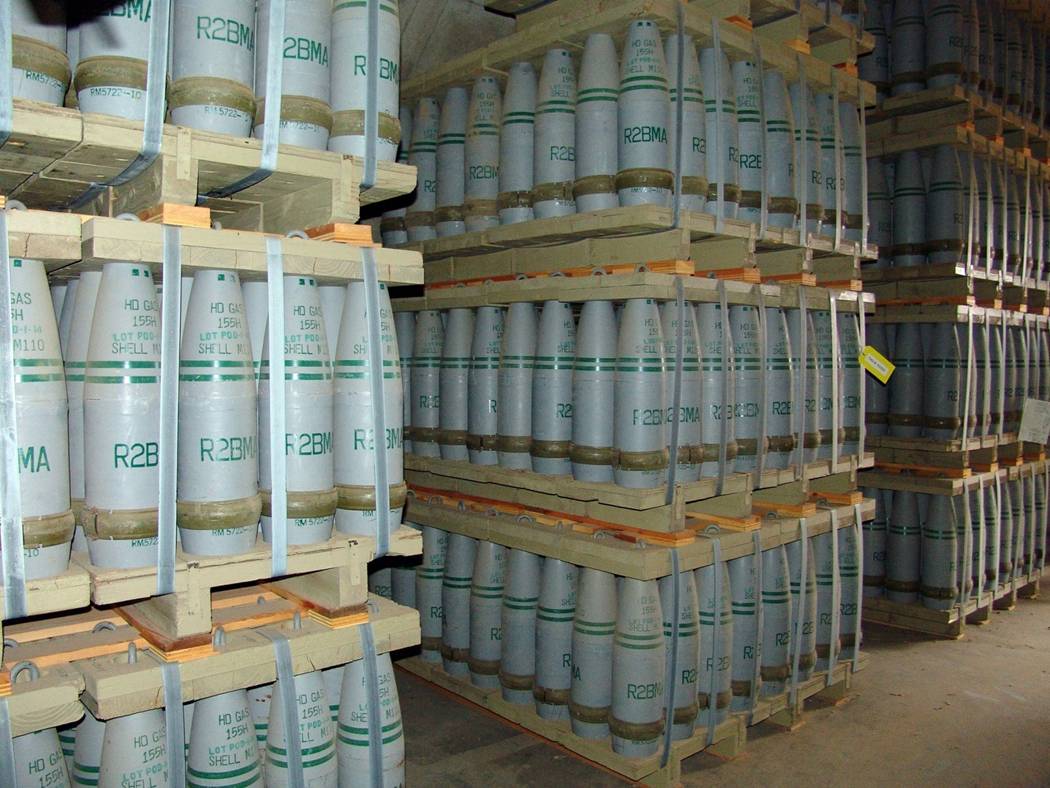


Chemical nature and physical properties
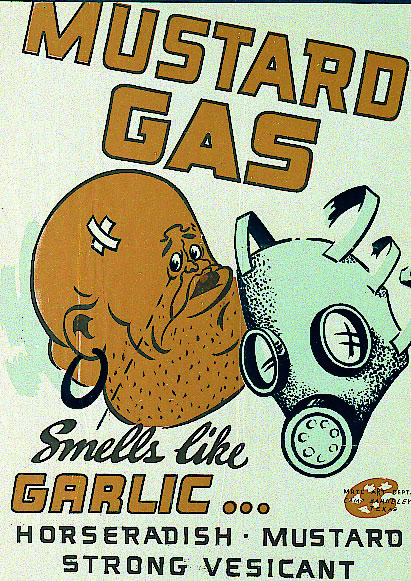
Sulfur mustard has the structural formula (ClCH2CH2)2S and at ordinary temperatures is a viscous, oily liquid. Pure forms freeze at relatively low temperatures and decompose before boiling. When prepared for military use it may look yellow-brown and can have a faint smell described as mustard, garlic, or horseradish, which led to its common name. The compound is a lipophilic alkylating agent; it readily penetrates clothing and skin to inflict tissue damage (properties and hazards).
How it harms people
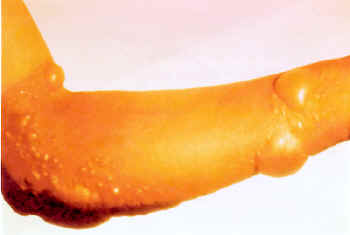
Mustard gas is a powerful irritant and vesicant that damages cells by alkylating DNA, proteins and other biological molecules. Symptoms often appear hours after exposure and include redness, severe painful blisters on skin, conjunctivitis and varying degrees of respiratory tract injury. Inhalation can produce chronic bronchitis, scarring and long-term impairment. The agent is also mutagenic and has been associated with an elevated risk of some cancers and persistent eye and skin problems in survivors (health effects).
Historical use and incidents
The first large-scale military employment of sulfur mustard occurred during World War I; a notable use was in 1917 near Ypres, Belgium, where it caused mass casualties among Allied troops. The compound had been prepared and studied in the 19th century, with early syntheses credited to chemists such as Frederick Guthrie and earlier reports by others. Beyond World War I, sulfur mustard has appeared in several later conflicts and incidents, sometimes confirmed by international investigations and sometimes reported as alleged use (WWI and later history, notable events, investigations).
Legality, control and destruction
The use of poison gas in war, including mustard agents, was prohibited by the Geneva Protocol of 1925. Subsequent international law expanded controls: the Chemical Weapons Convention (CWC), opened for signature in 1993, outlaws development, production, stockpiling and use of chemical weapons and established verification and destruction mechanisms. Many states have declared and destroyed stockpiles under CWC oversight, and the Organisation for the Prohibition of Chemical Weapons (OPCW) investigates alleged uses (Geneva Protocol, CWC overview, CWC text and obligations).
Medical response, detection and decontamination
There is no specific widely available antidote for sulfur mustard; care concentrates on rapid decontamination, removal of contaminated clothing, irrigating exposed eyes, wound care and supportive treatment for respiratory injury. Long-term follow-up addresses chronic pulmonary, dermatologic and ocular sequelae. Detection and environmental monitoring rely on specialized analytical methods and field detectors, and proven public-health responses emphasize evacuation, protective measures and medical triage (medical response, detection and monitoring).
Further information and notable facts
- Despite its common name, mustard gas is not related to edible mustard; the name comes from a perceived odor (terminology).
- Delayed symptom onset can complicate diagnosis and response, since victims may appear unharmed for hours after exposure (clinical features).
- International law now treats sulfur mustard as an internationally prohibited weapon, subject to verification and destruction regimes (international law).
Because sulfur mustard remains a hazardous and controlled substance, contemporary discussions emphasize historical understanding, medical care for survivors, legal restraints and the importance of forensic and public-health capabilities to detect, attribute and respond to any modern use.
Questions and answers
Q: What is mustard gas?
A: Mustard gas or sulfur mustard is a chemical compound which has been used as a chemical weapon.
Q: When was it first used in warfare?
A: It was first used in World War I by the German Army against British and Canadian soldiers near Ypres, Belgium, in 1917.
Q: What does it look like at room temperature?
A: Most sulfur mustards are squishy liquids with no color and no smell when they are at room temperature. When used in warfare, they have a color yellowish to brown. Some of them smell like culinary mustard (the type used for food), horseradish or garlic.
Q: Who discovered sulfur mustard?
A: Sulfur mustard (in its form mustard gas) was synthesized by Frederick Guthrie in 1860. It may have been discovered as early as the 1820s, by M.Depretz.
Q: How did it get its name?
A: They got their name from the smell, but are completely unrelated to culinary mustard.
Q: When were its use during warfare prohibited?
A: Its use during warfare was prohibited by the Geneva Protocol of 1925. This protocol outlawed the use of poison gas (which was widely used in the First World War). An additional agreement, the Chemical Weapons Convention, was ratified in 1993 which also outlaws the production and stockpiling of such agents.
Q:What is its chemical formula ?
A:Sulfur mustard is the organic compound with formula (ClCH2CH2)2S
Related articles
Author
AlegsaOnline.com Mustard gas (sulfur mustard) Leandro Alegsa
URL: https://en.alegsaonline.com/art/67810