
Multirole Combat Aircraft: Design, Roles, History, and Impact
An overview of multirole combat aircraft: what they are, how they differ from single-role designs, their history, key systems, typical missions, examples, and trade-offs in modern air forces.
Overview
A multirole combat aircraft is a military fixed-wing airplane engineered to perform more than one kind of combat mission. Instead of being optimized solely for air-to-air combat or ground attack, a multirole platform can be reconfigured or adapted to carry out diverse tasks—air superiority, precision strike, reconnaissance, suppression of enemy air defenses, maritime strike and others—often within the same sortie or by swapping equipment between missions. Modern multirole fighters combine flexible weapons pylons, advanced sensors and mission software to allow commanders to tailor a single type of aircraft to multiple operational needs.
Image gallery
4 Images


Design and typical systems
Key characteristics of multirole designs include modular weapon stations, multifunction radars, targeting pods, secure datalinks and avionics capable of sensor fusion. These systems let a single airframe detect, identify and engage both aerial and surface targets. Some multirole types are designed with structural reinforcements and extra fuel to carry heavier munitions for strike roles; others emphasize agility and short-field performance for air combat and close support. Fifth-generation multirole fighters add features such as reduced observability (stealth) and integrated electronic warfare suites to broaden mission effectiveness.
Common roles and mission profiles
Multirole aircraft are employed in a wide range of missions. Typical roles include:
- Air superiority and interception against hostile aircraft.
- Precision ground attack and interdiction using guided bombs and missiles.
- Close air support for ground forces.
- Suppression or destruction of enemy air defenses (SEAD/DEAD).
- Maritime strike against ships and coastal targets.
- Reconnaissance and electronic intelligence with sensor pods.
History and evolution
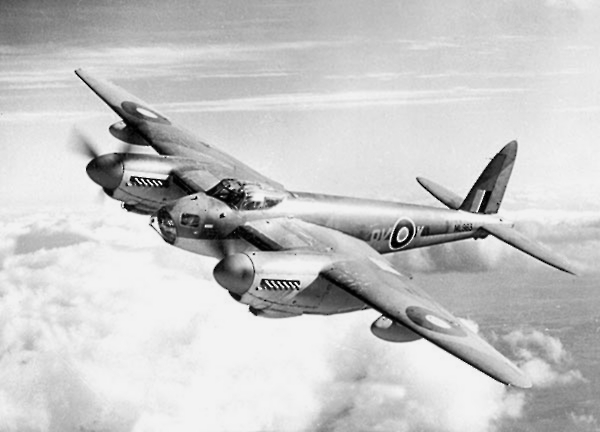
The idea of one aircraft performing multiple roles is old—many World War II fighters carried bombs or served as fighter-bombers—but the Cold War initially pushed specialization as air forces sought extreme performance in narrow roles. From the 1970s onward, rising acquisition and operating costs, combined with advances in avionics and weapons, encouraged a return to multirole designs. Aircraft such as the F-15 Eagle illustrate this evolution: originally conceived for air superiority, later variants and derivatives were modified to undertake ground-attack missions. Subsequent generations of fighters—F/A-18, F-16, Rafale, Su-30, Gripen and F-35 among others—were developed as multirole platforms from the outset or adapted shortly after introduction.
Advantages and trade-offs
Multirole aircraft provide operational flexibility: a single type can cover multiple missions, simplify pilot training pipelines and reduce logistical burdens compared with maintaining many specialized fleets. They can be cost-effective for smaller air forces or expeditionary operations. However, compromises are inevitable. A platform optimized for many tasks may not match the peak performance of a purpose-built interceptor or a dedicated strike aircraft. Complexity of avionics and mission software can increase maintenance needs and procurement costs. Commanders balance these trade-offs when defining force structure and acquisition priorities.
Notable distinctions and future trends
Terms related to multirole include "fighter-bomber" (an older label), "swing-role" (emphasizing in-flight role changes) and "omnirole" (used informally to suggest very high flexibility). Looking ahead, trends such as sensor fusion, networked operations, increased use of precision standoff weapons and manned-unmanned teaming are shaping multirole concepts. Unmanned combat aircraft and loyal wingman drones are expected to expand mission sets and reduce risk to pilots while preserving the adaptable, multipurpose character that defines the multirole combat aircraft concept.
Examples and operational importance
Many contemporary front-line fighters are marketed and employed as multirole aircraft. Their presence in national inventories affects doctrine, basing and coalition interoperability. In many conflicts, the ability to re-task aircraft quickly to emergent missions—air defense one day, precision strike the next—has proven strategically valuable, helping air forces respond to diverse threats with a constrained number of airframes.
Questions and answers
Q: What is a multirole combat aircraft?
A: A multirole combat aircraft is a military airplane designed for more than one purpose.
Q: What is a multirole fighter?
A: A multirole fighter is a multirole combat aircraft that can be used to attack enemy airplanes.
Q: What does the term "multirole" mean?
A: The term "multirole" means the ability for the airplane to perform more than one task or combat role.
Q: How are airplanes designed for different tasks?
A: Many times airplanes will be designed for one task, and later someone will make small changes to the airplane to perform a different task.
Q: What is an example of an airplane that was designed for one task and later modified to perform a different task?
A: The F-15 Eagle was first designed as an air superiority fighter to destroy other enemy fighters. Many years later its designers made changes to allow it to carry bombs and missiles and attack targets on the ground.
Q: What are some of the roles that combat airplanes may fill?
A: Some of the roles that combat airplanes may fill include air superiority, ground attack, reconnaissance, and electronic warfare.
Q: What is the advantage of a multirole combat aircraft?
A: The advantage of a multirole combat aircraft is that it can perform multiple tasks, reducing the need for a variety of specialized aircraft, and increasing the flexibility of military forces in combat situations.
Related articles
Author
AlegsaOnline.com Multirole Combat Aircraft: Design, Roles, History, and Impact Leandro Alegsa
URL: https://en.alegsaonline.com/art/67488
Sources
- military-dictionary.org : Military-Dictionary.org · web.archive.org