
Muesli: ingredients, history, preparation, and variations
Muesli is a breakfast cereal of rolled oats, grains, nuts, seeds and fruit. Originating in Switzerland, it is eaten raw or soaked, in many homemade and commercial forms with varied nutrition and uses.
Overview
Muesli is a breakfast food based on rolled oats combined with other grains, nuts, seeds and fresh or dried fruit. It is usually eaten cold or soaked and is valued for its versatility: it can be served with milk, yoghurt, or fruit juice, mixed into smoothies, or allowed to soften overnight for a tender texture. Commercial mixes and homemade recipes range from plain raw blends to sweeter, toasted versions.
Image gallery
4 Images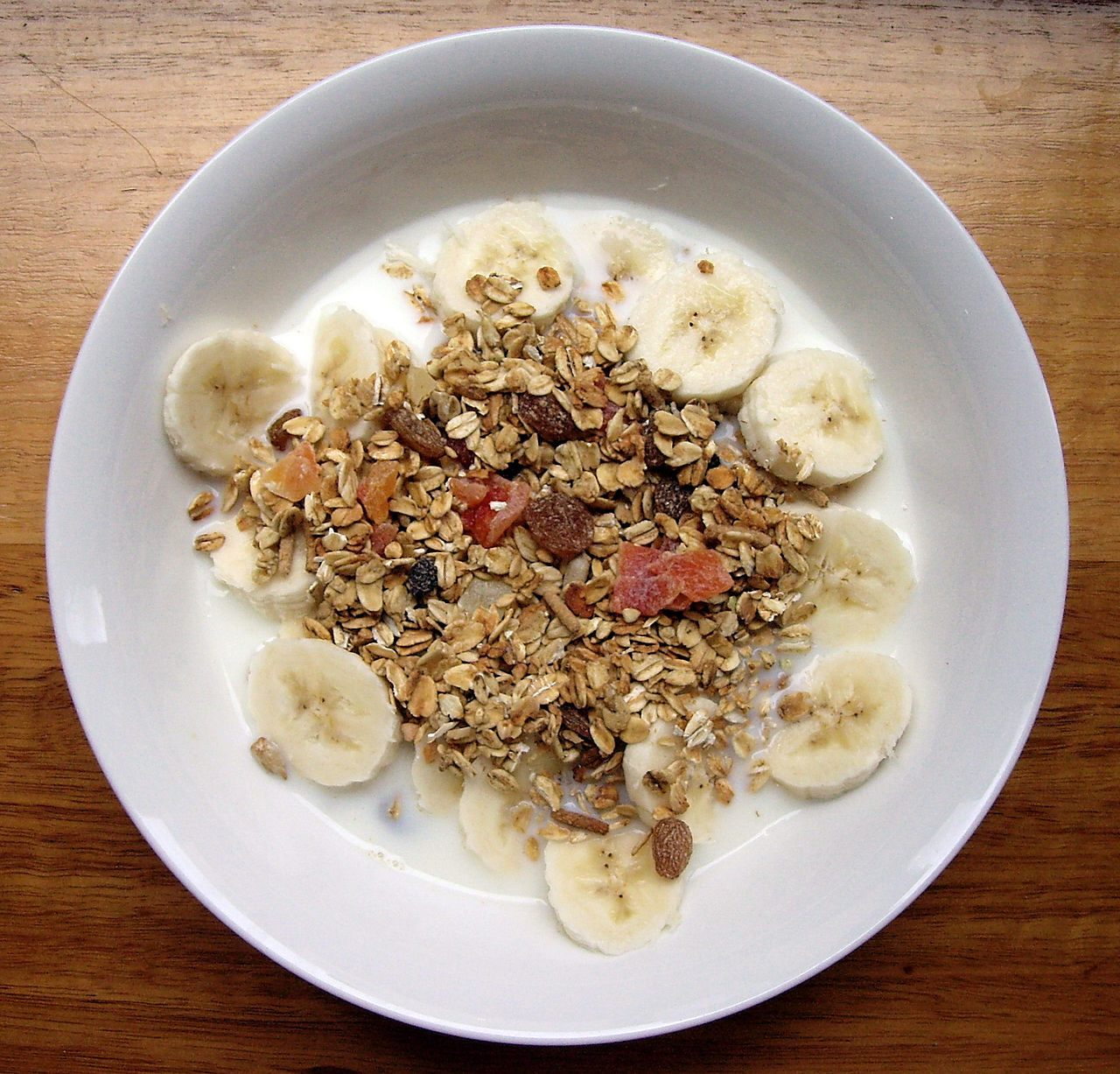


Ingredients and common forms
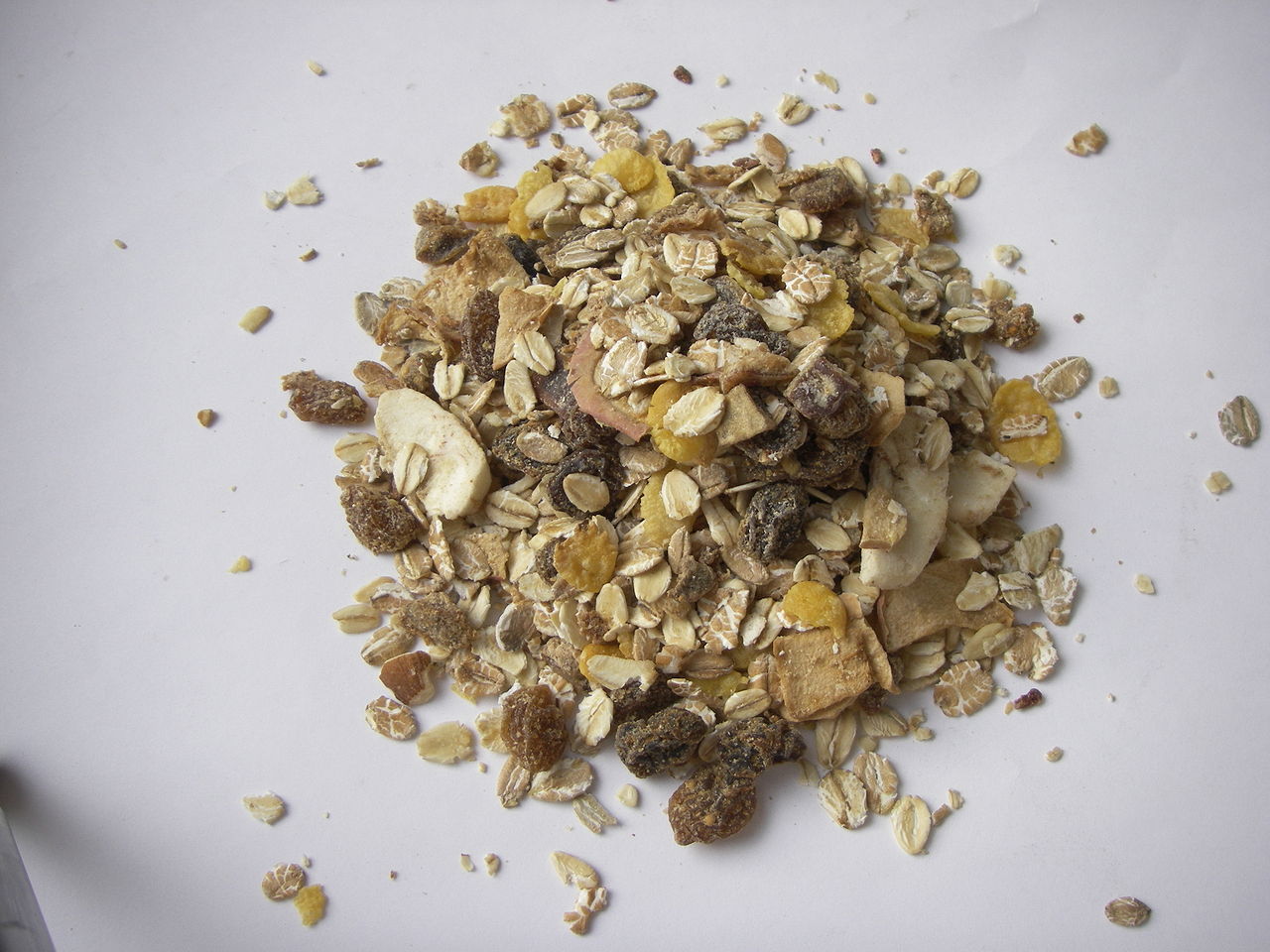
Typical components are rolled oats plus one or more of the following: other cereal flakes, chopped nuts (almonds, hazelnuts), seeds (sunflower, pumpkin), and dried fruits (raisins, apricots). Some blends add puffed grains or spices. Two broad types are raw, loose muesli and crunchy or toasted muesli that has been baked with oil and sweeteners to form crisp clusters.
Preparation and serving
Muesli may be eaten immediately with a splash of milk or plant-based alternatives, stirred into yoghurt, or soaked in liquid for minutes to hours to soften. "Overnight" soaking is popular for convenience and digestibility. It can also be cooked briefly like porridge, used as a topping for fruit or desserts, or pressed into bars and snacks.
History and development
The dish was developed in the early 20th century in Switzerland by physician Maximilian Bircher-Benner as a healthful, ready-to-eat option for patients. His original preparation emphasized raw or lightly softened grains with fresh fruit and dairy to provide a compact, nourishing meal. From there, muesli spread across Europe and later worldwide, with both artisanal and industrial producers adapting the formula.
Nutrition and uses
Muesli supplies whole grains, dietary fiber, and plant-based protein and fats when nuts and seeds are included. Nutritional profile varies: plain mixes are high in complex carbohydrates and fiber, while those with added sugars or large amounts of dried fruit are higher in simple sugars. It is used for everyday breakfasts, sports nutrition, and as a base for homemade granola-like snacks.
Distinctions and notable facts
Muesli is often contrasted with granola: granola is typically baked with sweeteners and oil to form clusters, whereas traditional muesli is a raw, loose mixture. The Swiss term "müsli" literally evokes a small mash or purée, reflecting its origins as a softened grain dish. Its adaptability and simple ingredients help explain its lasting popularity in many culinary cultures.
Related articles
Author
AlegsaOnline.com Muesli: ingredients, history, preparation, and variations Leandro Alegsa
URL: https://en.alegsaonline.com/art/67351
Sources
- oxfordlearnersdictionaries.com : "muesli"
- dictionary.cambridge.org : "MUESLI"
- patrimoineculinaire.ch : "Birchermus / Bircher"
- springer.com : Encyclopedia of Fermented Fresh Milk Products: An International Inventory of Fermented Milk, Cream, Buttermilk, Whey, and Related Products