
Olof Palme — Swedish Prime Minister and Social Democratic Leader
Olof Palme (1927–1986) was a dominant figure in Swedish and international social-democratic politics, known for welfare reforms, outspoken foreign policy, and his unresolved assassination in 1986.
Overview
Olof Palme (30 January 1927 – 28 February 1986) was a leading Swedish statesman who served as leader of the Social Democratic Party and as Prime Minister in two periods (1969–1976 and 1982–1986). He helped shape the post‑war Swedish welfare state and became an internationally visible proponent of non‑alignment, disarmament and human rights. His sudden murder in central Stockholm in 1986 shocked Sweden and prompted a long, complex investigation by national authorities (police and prosecutors).
Image gallery
10 Images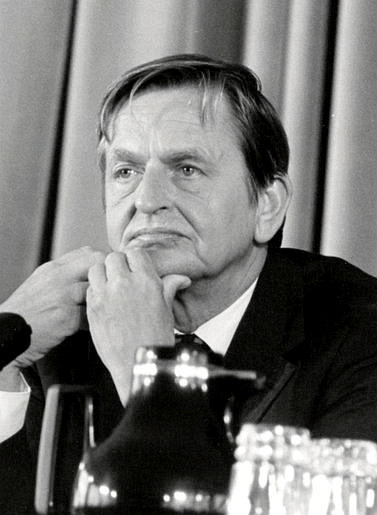


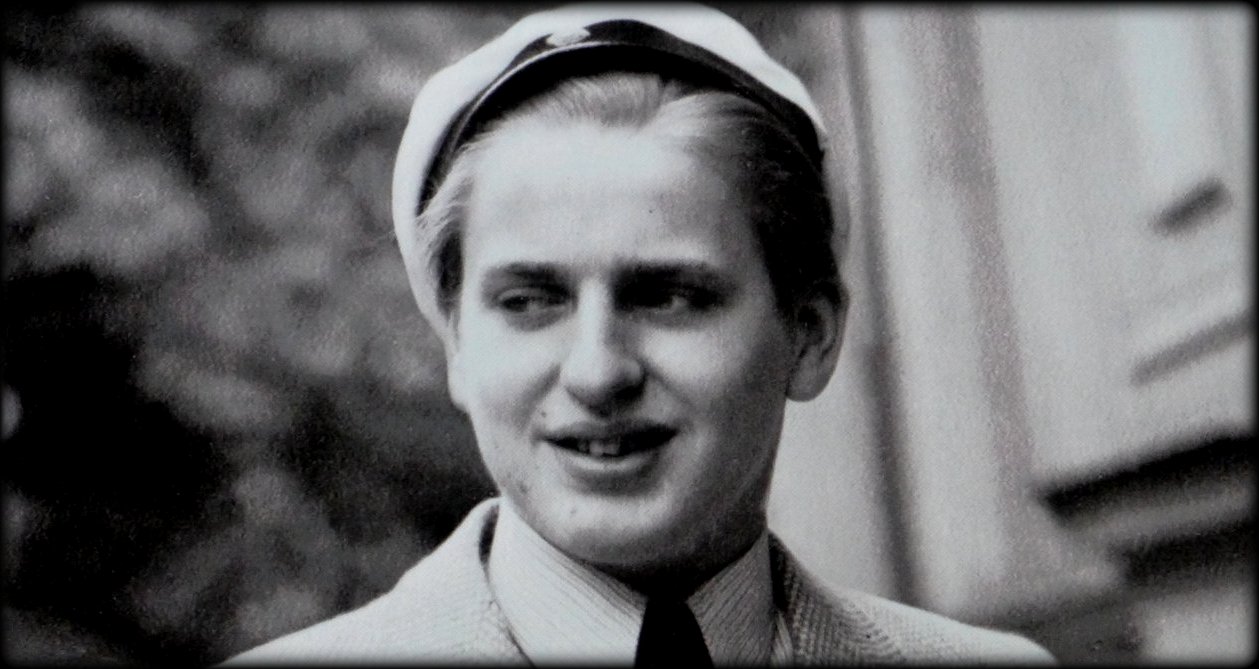

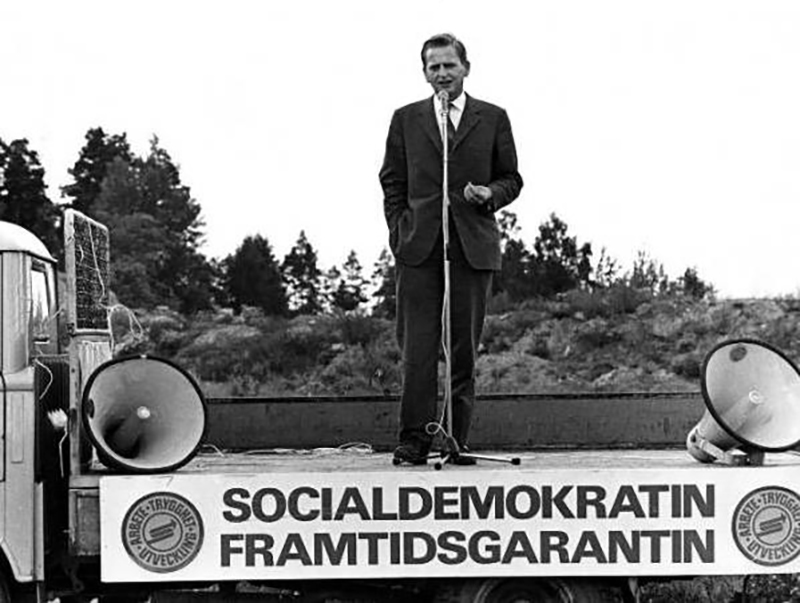

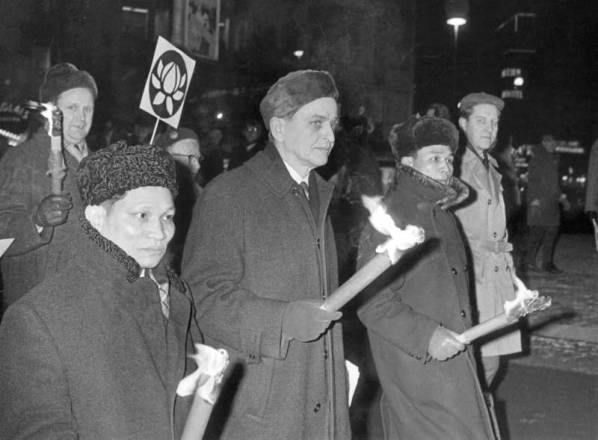
Political views and domestic policies
Palme combined a commitment to an extensive public sector and social insurance with an emphasis on equality and workers’ rights. His governments pursued expanded welfare provisions, progressive taxation and labor protections intended to secure broad access to education, healthcare and social services. He spoke frequently in favor of economic, social and cultural rights; his rhetoric linked domestic policy to wider notions of social justice (welfare, economic and social rights).
Internationally, Palme was known for outspoken positions: he opposed the Vietnam War and criticized superpower actions, campaigned against apartheid in South Africa, and advocated arms control and disarmament, including resistance to nuclear proliferation. He described himself in pacifist and disarmament terms in many public statements (Vietnam War, apartheid, nuclear weapons, pacifism).
Leadership style and public life
Palme was a prominent public speaker and a polarizing political figure: admired by many for his clarity and moral tone, criticized by others for confrontational rhetoric. Domestically he navigated coalition politics, labor relations and economic challenges of the 1970s and 1980s while maintaining the Social Democrats’ central role in Swedish governance. He also represented Sweden in many international forums and cultivated ties with progressive movements in the developing world.
Assassination and investigation
On 28 February 1986 Palme was shot dead after leaving a cinema in central Stockholm. The killing—initially described as an inexplicable, street‑level assassination—intensified public debate about security, openness and political violence. For decades the perpetrator was not identified; the case involved multiple leads, suspects and official inquiries (shooting, investigation), and attracted sustained media and scholarly attention. In later years Swedish authorities examined several theories and persons of interest; the unresolved nature of aspects of the inquiry continues to prompt discussion about evidence, forensics and legal standards.
Legacy and significance
Palme remains a defining figure in modern Swedish history. His advocacy for an active welfare state, combined with internationalism and human‑rights rhetoric, left a durable imprint on political debate in Sweden and beyond. His assassination is remembered both as a national tragedy and as a turning point for how Sweden balances public openness with official security. Commemorations, biographies and academic studies continue to assess his policies and political style.
Notable facts and further reading
- Leader of the Swedish Social Democratic Party: party leadership.
- Two terms as Prime Minister and long tenure as a public figure: see biographical summaries biography.
- Assassination details and aftermath: account of the shooting and local context in Stockholm.
- Ongoing public interest in the police inquiry and legal handling: investigations.
- Stated positions on military non‑alignment and disarmament: pacifism, nuclear issues.
- International stances: opposition to the Vietnam War and to apartheid.
- Social and economic priorities: welfare policy and economic, social and cultural rights.
For a fuller account consult established historical surveys and collections of primary documents; the case of Palme’s assassination has generated extensive literature in major media outlets, legal reviews and historical research starting from the day of the killing through subsequent inquiries and analyses.
Questions and answers
Q: Who was Olof Palme?
A: Olof Palme was a Swedish politician and the leader of the Social Democratic Party from 1969 until his death in 1986.
Q: What was Olof Palme's occupation?
A: Olof Palme was a politician.
Q: Was Olof Palme the Prime Minister of Sweden?
A: Yes, Olof Palme served as the Prime Minister of Sweden from 1969-1976 and 1982-1986.
Q: How did Olof Palme die?
A: Olof Palme was shot to death in Stockholm after going to the cinema on 28 February 1986.
Q: Was Olof Palme a pacifist?
A: Yes, Olof Palme was a pacifist and was against war, apartheid, and nuclear weapons.
Q: Did the Swedish police ever identify Olof Palme's killer?
A: No, the killer of Olof Palme has never been identified, and the gun has never been found.
Q: What did Olof Palme do to improve welfare and economic, social and cultural rights for workers?
A: Olof Palme made efforts to improve welfare and economic, social and cultural rights for workers.
Author
AlegsaOnline.com Olof Palme — Swedish Prime Minister and Social Democratic Leader Leandro Alegsa
URL: https://en.alegsaonline.com/art/127895