
Nathuram Godse: the man who killed Mahatma Gandhi
Profile of Nathuram Vinayak Godse (1910–1949): background, beliefs, assassination of Mahatma Gandhi, trial, execution and the lasting controversies surrounding his act.
Nathuram Vinayak Godse (Marathi: नथुराम गोडसे) was an Indian nationalist who assassinated Mohandas Karamchand Gandhi on January 30, 1948. The killing took place at a prayer meeting at Birla House in New Delhi, an act for which Godse was arrested, tried, convicted and executed in 1949. Gandhi’s life and death remain central to modern Indian history and Godse’s actions have generated enduring debate and controversy.
Image gallery
2 Images
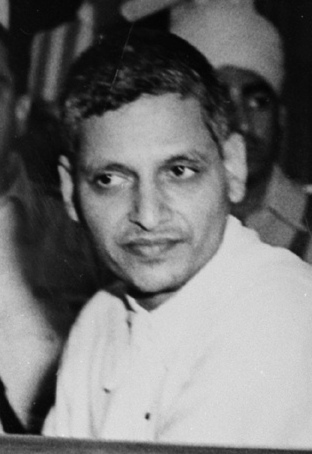
Early life and background
Godse was born on May 19, 1910, in the Baramati area of what was then the Pune district of British India; his birthplace is commonly cited as Baramati. He came from a Marathi family. Contemporary accounts note his father worked in the postal service and earned a modest wage—often described in historical records as a fifteen-rupee-a-month salary—which shaped the family’s economic circumstances. Godse received some education and became politically active as a young man.
Political affiliations and beliefs
During his youth and early adulthood Godse became involved with Hindu nationalist circles. He associated with organizations and individuals who opposed what they saw as concessions to Muslim political demands during the Partition era and who favored a more assertive Hindu political stance. He later became active in the Hindu Mahasabha. Godse’s published statements and trial testimony indicate he believed Mahatma Gandhi’s policies and public positions harmed Hindu interests and threatened the unity or security of the community.
Assassination, trial and execution
On January 30, 1948, Godse approached Gandhi during an evening prayer meeting and shot him at close range. He did not flee the scene and was immediately apprehended. A court trial followed in which Godse and several co-conspirators were indicted. Godse provided a written explanation of his motives that was circulated after the trial, often cited under the title "Why I Killed Gandhi." The court found him guilty of murder and he was sentenced to death. The sentence was carried out on November 15, 1949.
Aftermath and legacy
The assassination had significant political consequences: it shocked the newly independent nation, prompted a harsh official response to extremist groups, and led to inquiries and short-term bans on some organizations while authorities investigated links between the conspirators and political networks. Godse’s act has since remained a polarizing subject in India. Some view him as a fanatic who committed a political murder; others—often a small minority—have attempted to justify or reframe his motives. Debates about his motivations, the responsibilities of associated organizations, and how history should remember the event continue in public and scholarly discussions.
Key facts
- Born: May 19, 1910; died: November 15, 1949.
- Known for: assassination of Mahatma Gandhi on January 30, 1948.
- Political alignment: associated with Hindu nationalist groups, notably the Hindu Mahasabha.
- Published justification: a statement explaining his motives was widely circulated after the trial.
For further reading on the historical context and continuing debates around the assassination and its aftermath, see contemporary histories and scholarly analyses that examine India’s partition, nationalist movements, and post-independence politics.
Questions and answers
Q: Who was Nathuram Godse?
A: Nathuram Godse was the man who assassinated Mahatma Gandhi.
Q: When and where was Nathuram Godse born?
A: Nathuram Godse was born on May 19, 1910, in Baramati, Pune District, British India.
Q: Who were Nathuram Godse's parents?
A: Nathuram Godse's father was Vinayak Vaman Rao Godse, and his mother was Lakshmi (Godavari before marriage).
Q: What was Nathuram Godse's father's occupation?
A: Nathuram Godse's father was a fifteen-rupee-a-month employee of the post office.
Q: When did Nathuram Godse die?
A: Nathuram Godse died on November 15, 1949.
Q: What was the reason behind Nathuram Godse's assassination of Mahatma Gandhi?
A: Nathuram Godse was a Hindu nationalist who believed that Gandhi favored the political rights of India's Muslims over those of Hindus, which he saw as a threat to the Hindu culture and way of life, leading him to assassinate Gandhi.
Q: What is Nathuram Godse's ethnicity?
A: Nathuram Godse's ethnicity is not explicitly stated, but based on his birthplace and surname, he is believed to have been a Maharashtrian Hindu.
Author
AlegsaOnline.com Nathuram Godse: the man who killed Mahatma Gandhi Leandro Alegsa
URL: https://en.alegsaonline.com/art/127452