
Motor oil: composition, functions, and how to choose the right oil
An overview of motor oil: what it is, main components, types (conventional, synthetic), viscosity grades, functions, maintenance advice, and environmental considerations.
Overview
Motor oil is a liquid lubricant formulated for use in internal combustion engines and other motorized equipment. Its primary role is to reduce friction between moving parts, but it also helps control heat, prevent corrosion, and keep engine components clean. Modern formulations combine a base oil with a package of additives to meet performance demands across temperature ranges and driving conditions.
Image gallery
9 Images




Composition and properties
Motor oil consists of two main parts: base oil and additives. Base oils may be mineral (refined crude), synthetic (chemically engineered), or blends. Additives provide detergency, antiwear protection, antioxidants, corrosion inhibitors, foam suppressors, and viscosity modifiers. Key measurable properties include viscosity (resistance to flow), flash point, and volatility; manufacturers use these to specify suitable applications.
Types and viscosity grades
Oils are commonly classed as conventional, synthetic blend, or full synthetic. Viscosity is expressed by SAE grades such as "5W-30" or "0W-20", where the first number indicates cold-start (winter) performance and the second the oil's viscosity at operating temperature. Industry specifications from organizations like API and ACEA help consumers match oil performance to engine requirements.
Functions and maintenance
Beyond lubrication, motor oil cools components, forms seals around pistons, suspends combustion byproducts, and protects against wear and corrosion. Regular oil monitoring and timely replacement are essential: follow the vehicle manufacturer's guidance rather than fixed rules, and check oil level and condition periodically. Using the recommended grade and specification preserves warranty coverage and engine longevity.
Environmental and safety considerations
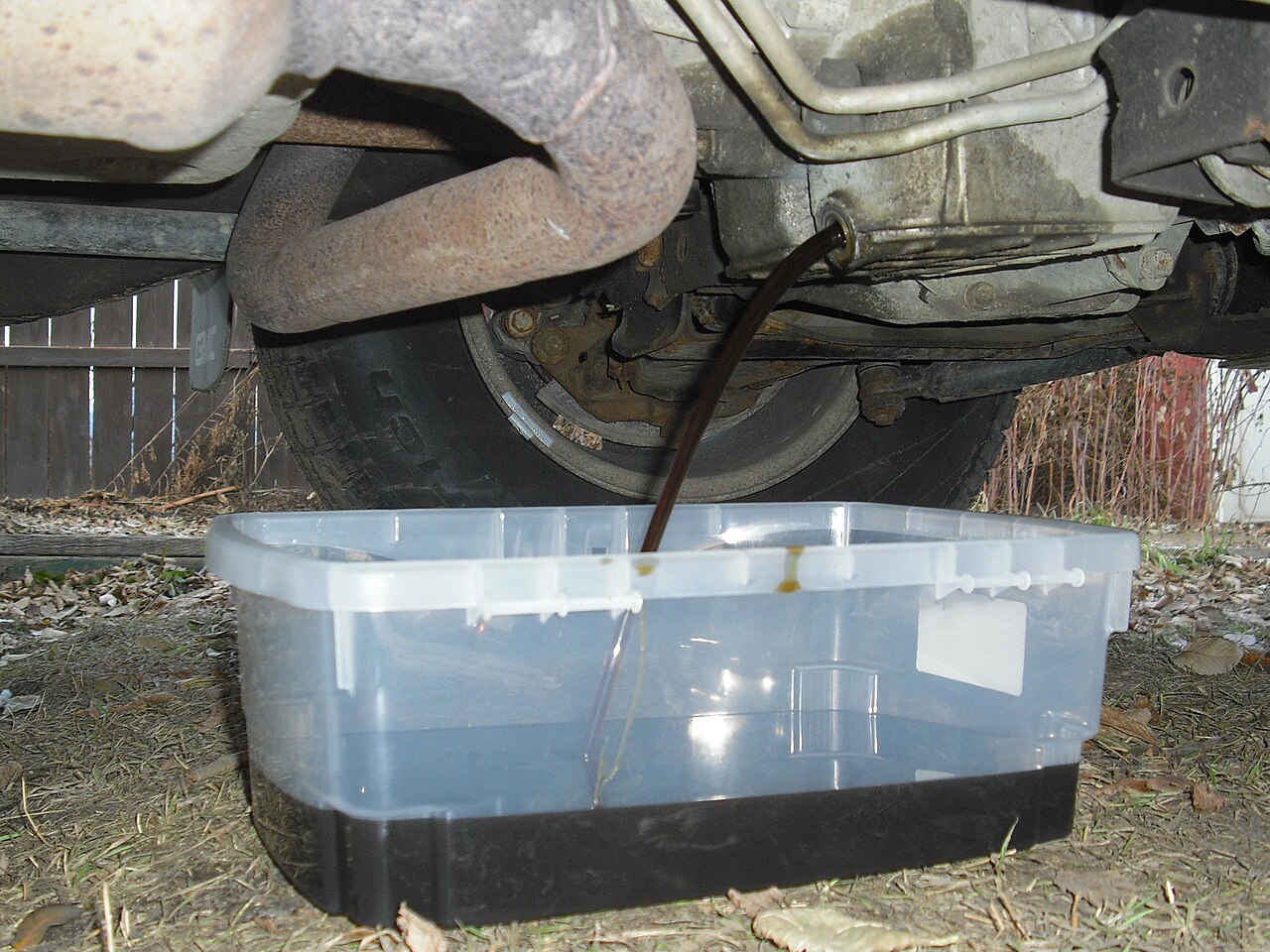
Used motor oil contains contaminants and additives that require proper disposal or recycling. Many jurisdictions offer collection and recycling programs; do not pour oil into drains or onto soil. Synthetic oils can extend drain intervals in some applications, but recycling remains important regardless of type.
Choosing motor oil
Select oil by consulting your vehicle manual for the required viscosity and certification (API/ACEA or manufacturer-specific standards). Consider driving habits, climate, and engine age: high-mileage engines sometimes benefit from specialized formulations. Professional advice and product data sheets help when selecting an oil for unusual conditions or modified engines.
Related articles
Author
AlegsaOnline.com Motor oil: composition, functions, and how to choose the right oil Leandro Alegsa
URL: https://en.alegsaonline.com/art/66920