
Moshe Sharett: Israeli statesman, diplomat and prime minister
Profile of Moshe Sharett (1894–1965), Israeli Mapai politician, diplomat, Foreign Minister and Israel's second prime minister; his life, career, approach to diplomacy and legacy.
Overview
Moshe Sharett (born Moshe Shertok, 1894–1965) was a leading figure in the early years of the State of Israel, known for his diplomatic approach to foreign affairs and his service in senior political roles. He was born in Kherson in what was then the Russian Empire and is now part of Ukraine. Sharett helped shape the new state's international relations as its first long-serving Foreign Minister and later served as Prime Minister. He died in 1965 in Jerusalem, leaving a reputation for moderation and negotiation that contrasted with other contemporary leaders.
Image gallery
10 Images
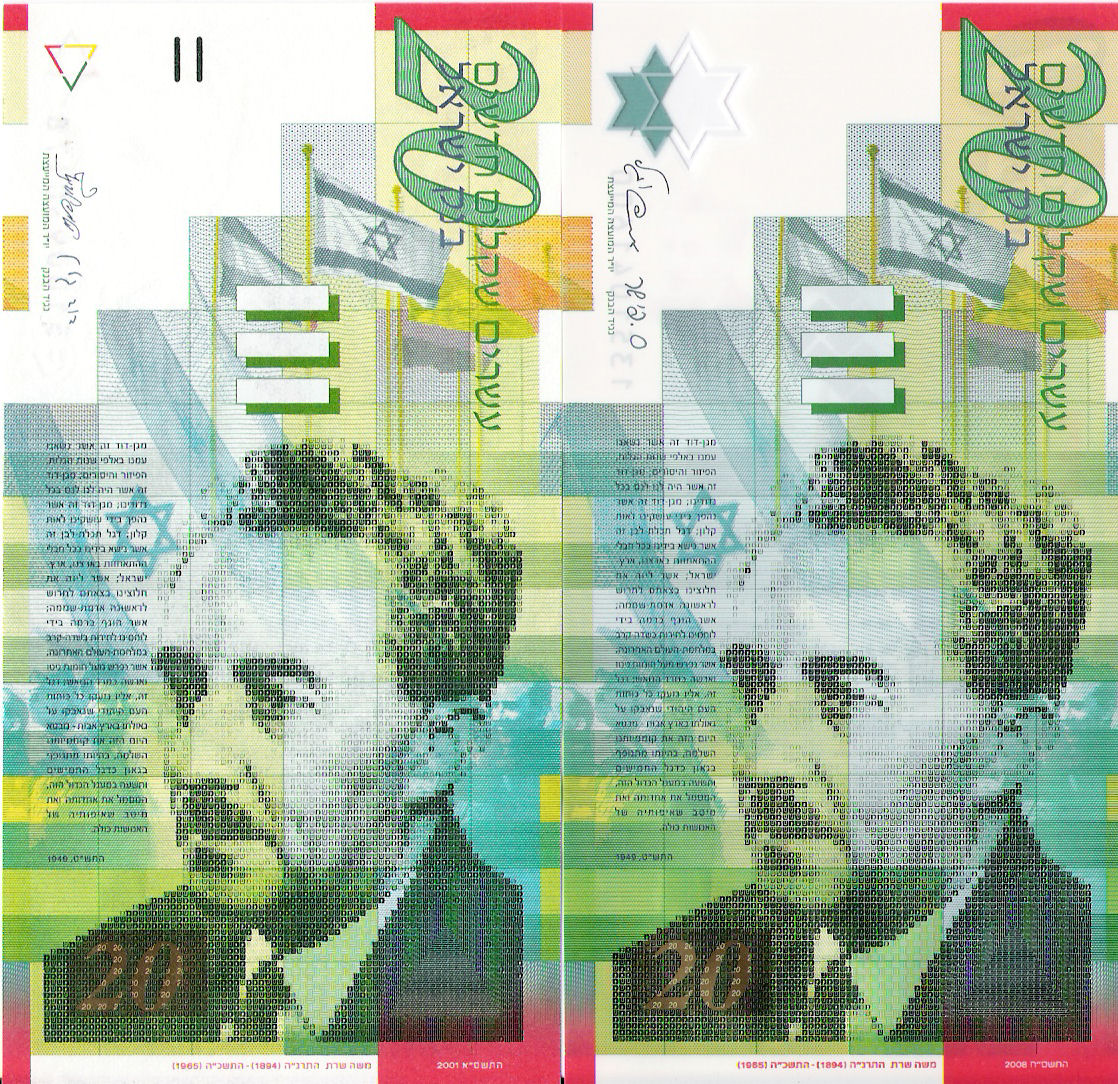


Early life and education
Sharett emigrated with his family to Ottoman Palestine in 1906. He pursued higher education in both the Ottoman and British worlds, studying law and political subjects at Istanbul University and later at the London School of Economics. During the 1920s he worked abroad as a journalist and advocate for Jewish political causes, gaining experience in diplomacy, language and international public opinion that proved useful after 1948.
Political career and roles
Active in the Labor Zionist movement, Sharett rose through the Jewish Agency and the Mapai party to become a central figure in the leadership that established the state. He was one of the signatories of the Declaration of Independence in 1948 and then became a member of the first Knesset. From 1948 to 1956 he was Israel’s principal foreign policy official, steering the young country through complex regional and international challenges.
Prime ministership and political style
Sharett served as Prime Minister from January 1954 to November 1955, a period in which he emphasized diplomacy, restraint and international engagement. He succeeded David Ben-Gurion and later returned the premiership to him; both men were leading figures in the same Mapai movement, but they often differed in tone and method. Whereas Ben-Gurion was associated with a more assertive security-first stance, Sharett favored negotiation and efforts to minimize escalation with neighboring states.
Legacy and distinctions
Sharett is remembered for building Israel’s early foreign service, for his reputation as a moderate in a volatile era, and for advocating pragmatic diplomacy even when domestic pressures pushed toward harsher policies. His long tenure as Foreign Minister established diplomatic routines and relationships that outlasted his own time in office. Historians and political observers frequently contrast his conciliatory approach with the more militaristic or ideological tendencies of some contemporaries.
Further reading and references
- Birth and early records
- Context of the Russian Empire
- Modern geography: Ukraine
- Death notices and dates
- Jerusalem biographical entries
- Role as Foreign Minister
- Mapai party history
- Istanbul University records
- London School of Economics alumni
- Declaration of Independence signatories
- First Knesset membership
- Prime ministers of Israel
- David Ben-Gurion and political peers
Note: This article provides a concise, neutral summary of Moshe Sharett's life and contributions. For a deeper study consult specialized biographies, archival documents and scholarly histories of Israel's diplomatic and political development.
Related articles
Author
AlegsaOnline.com Moshe Sharett: Israeli statesman, diplomat and prime minister Leandro Alegsa
URL: https://en.alegsaonline.com/art/66848
Sources
- knesset.gov.il : Bio at Knesset Website
- commons.wikimedia.org : Moshe Sharett