
Mother of the Nation: honorific for women seen as founders or symbolic national mothers
Honorific applied to a woman regarded as a founding figure, independence leader, or nationally venerated female leader. Explains meaning, use, history, cultural role and related distinctions.
Overview
The phrase "Mother of the Nation" is an honorific used for a woman who is widely regarded as having played a formative, inspirational, or unifying role in a country's modern history. It generally denotes deep public affection and respect, and it is applied to women who led independence movements, helped establish new governments, symbolized national values, or provided long-lasting moral leadership.
Image gallery
9 Images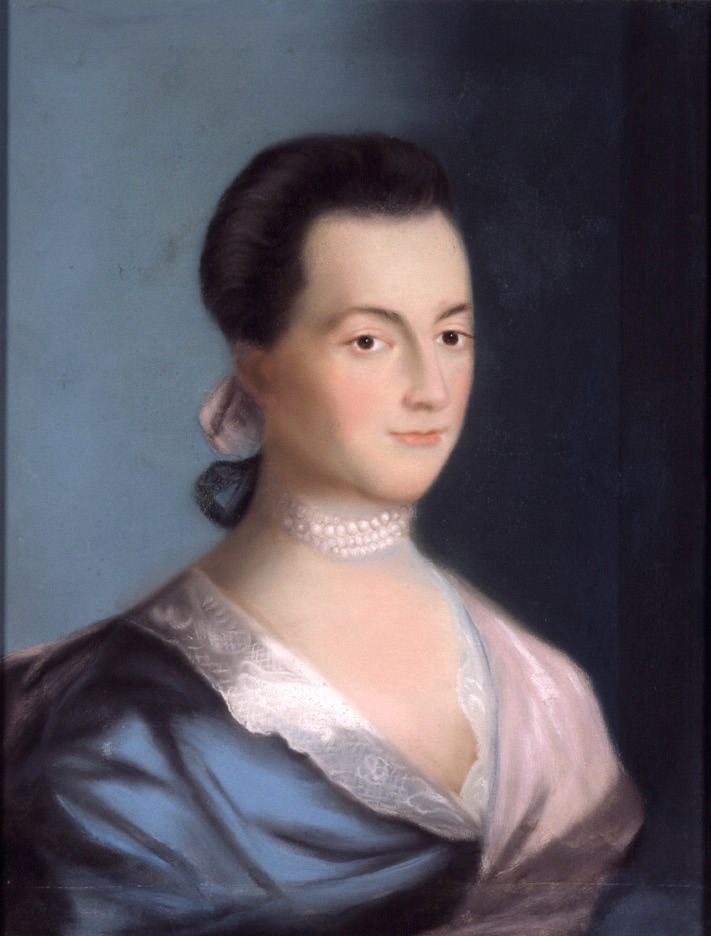


Meaning and characteristics
As an epithet, the term emphasizes symbolic motherhood rather than biological parenthood. Typical attributes associated with the title include pioneering leadership, moral authority, sacrifice for national causes, and a role in shaping national identity. The label can be formal—bestowed by state organs or commemorative acts—or informal, emerging from public usage, political rhetoric, or cultural memory.
Uses and public expressions
States and societies express this honor in many ways: naming streets and institutions, creating monuments, observing commemorative days, or using the label in official speeches and school curricula. Such uses can reinforce civic values and collective memory, and they often appear alongside other national symbols.
History, symbolism and comparison
The title mirrors the better-known masculine counterpart "Father of the Nation," sharing the same metaphor of parental guardianship over a polity. Its emergence reflects changing norms about women in public life and the desire to recognize female contributions to nation-building. In some contexts the phrase has roots in liberation movements; in others it celebrates cultural or humanitarian leadership.
Controversies and distinctions
Honorifics can be contested. Critics may argue that such labels oversimplify complex histories, elevate individuals above institutions, or serve political agendas. Debates also arise over gendered metaphors: some welcome the recognition of women’s roles, while others question whether the parent metaphor limits how leaders are understood.
Further information
For general background and comparative perspectives on national honorifics, see summaries and reference works linked by scholars and institutions. Official proclamations and cultural histories often differ in detail; readers can consult specific national sources for precise usages and legal recognitions. Reference 1 and Reference 2 may provide starting points for further research.
- Common forms: formal proclamation, popular epithet, commemorative naming.
- Common functions: symbolic unity, moral exemplar, historical shorthand.
Related articles
Author
AlegsaOnline.com Mother of the Nation: honorific for women seen as founders or symbolic national mothers Leandro Alegsa
URL: https://en.alegsaonline.com/art/66887
Sources
- newagebd.net : "Cabinet Pays Homage to Bangladesh's Founding President Sheikh Mujibur Rahman"
- indiacode.nic.in : "Constitution of India" · web.archive.org
- nytimes.com : Jinnah, Pakistan and Islamic Identity: The Search for Saladin
- un.org : "Nelson Mandela International Day, July 18, For Freedom, Justice and Democracy"