
MS-13 (Mara Salvatrucha): origins, organization, and societal impact
An encyclopedic overview of MS-13 (Mara Salvatrucha), summarizing its origins, structure, common activities, cultural markers, and the law-enforcement and community responses across the Americas.
Overview
MS-13, also known as Mara Salvatrucha, is a transnational criminal gang that emerged in the late 20th century. It is associated primarily with Salvadoran migrants and their descendants and is active in parts of the United States and Central America. MS-13 has received widespread attention because of its use of violence and its broad geographic reach; descriptions of the gang vary by source and by country.
Image gallery
5 Images


Origins and development
The group formed in Los Angeles during the 1980s among Salvadoran immigrants who fled civil conflict in Central America. Over time, deportation policies and migration patterns helped spread members and local cells to El Salvador, Honduras, Guatemala and other places. Its development reflects a mix of social, economic and political factors, including marginalization, lack of opportunities, and local security dynamics.
Organization and identifying features
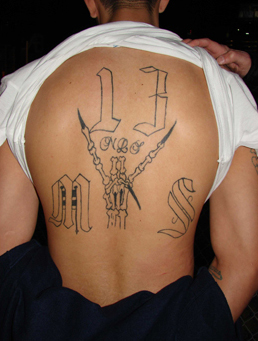
MS-13 is generally characterized by a decentralized structure of local cliques rather than a single unified hierarchy. Its members use specific tattoos, hand signs and nicknames as cultural markers. Initiation practices and internal codes are reported in law-enforcement and academic studies; these are part of how cliques maintain cohesion and enforce discipline.
Activities and impact
Reported activities attributed to MS-13 include extortion, drug trafficking, robbery, human smuggling and violent crimes. The gang’s presence has been linked to community insecurity in affected neighborhoods, prompting strong law-enforcement responses and public concern. Because methods and intensity vary across regions, assessments of MS-13’s role and threat level differ between jurisdictions.
Responses and prevention
Authorities have used policing, prosecutions and deportations as part of counter-gang strategies. International and interagency cooperation is frequently cited as important to address transnational aspects of the group. Community-based prevention, youth programs and social interventions are also emphasized by many experts as necessary complements to enforcement. Further information is available from law-enforcement sources and policy analyses: official reports and community resources.
Notable considerations
Public discussions about MS-13 often conflate criminal activity with broader social questions about migration, poverty and governance. Analyses that compare local contexts, recruitment drivers and responses can help distinguish between sensationalized portrayals and documented patterns. Understanding the group requires attention to both criminal behaviors and the social environments where it expands.
Related articles
Author
AlegsaOnline.com MS-13 (Mara Salvatrucha): origins, organization, and societal impact Leandro Alegsa
URL: https://en.alegsaonline.com/art/67286
Sources
- fbi.gov : "National Gang Threat Assessment"
- books.google.com : Terrorism and Organized Hate Crime: Intelligence Gathering, Analysis and Investigations, Second Edition
- books.google.com : Fundamentals of criminal justice : a sociological view
- latino.foxnews.com : "Zetas and MS-13 Join Forces in Guatemala" · web.archive.org
- insightcrime.org : "MS13"
- commons.wikimedia.org : Mara Salvatrucha